GDN SIDEBAR
From ancestral kingdoms and family lineages to cultural identity and social distinction, Hausa facial marks carry stories of heritage, migration and belonging.
Facial markings have long been part of the cultural heritage of several communities across Hausaland, the historical region encompassing northern Nigeria and parts of the Republic of Niger.
For generations, distinctive lines and patterns cut into the faces of men and women have served as more than physical decoration. Known in Hausa as tsagar gado, these inherited marks have helped identify a person’s family, ancestral community, kingdom and, in some instances, social position.
Unlike a uniform system of facial scarification, Hausa markings differ considerably from one community to another. Some consist of short vertical lines on the cheeks, while others feature elaborate arrangements extending from the temples towards the mouth.
Research by Bashir Aliyu Sallau, Sanusi Dauda and Sumayya Yakubu, published in 2024, documents several of these patterns and their connections to different communities across northern Nigeria and Niger.
Although the practice has declined in many places, Hausa facial marks remain an important part of the region’s cultural and historical identity.
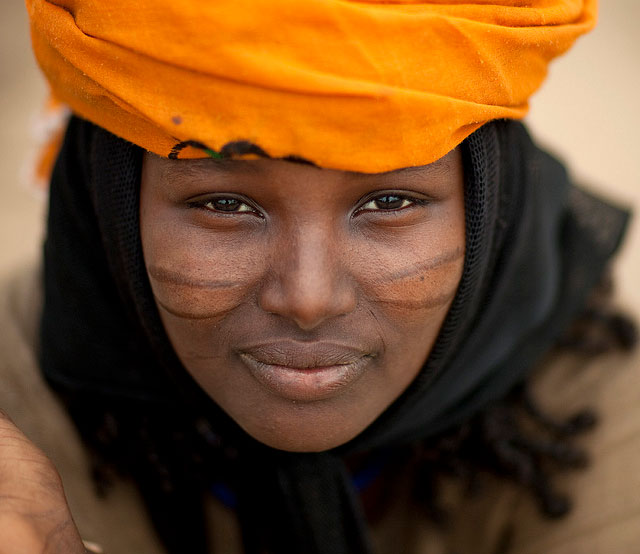
What are Hausa tribal marks?
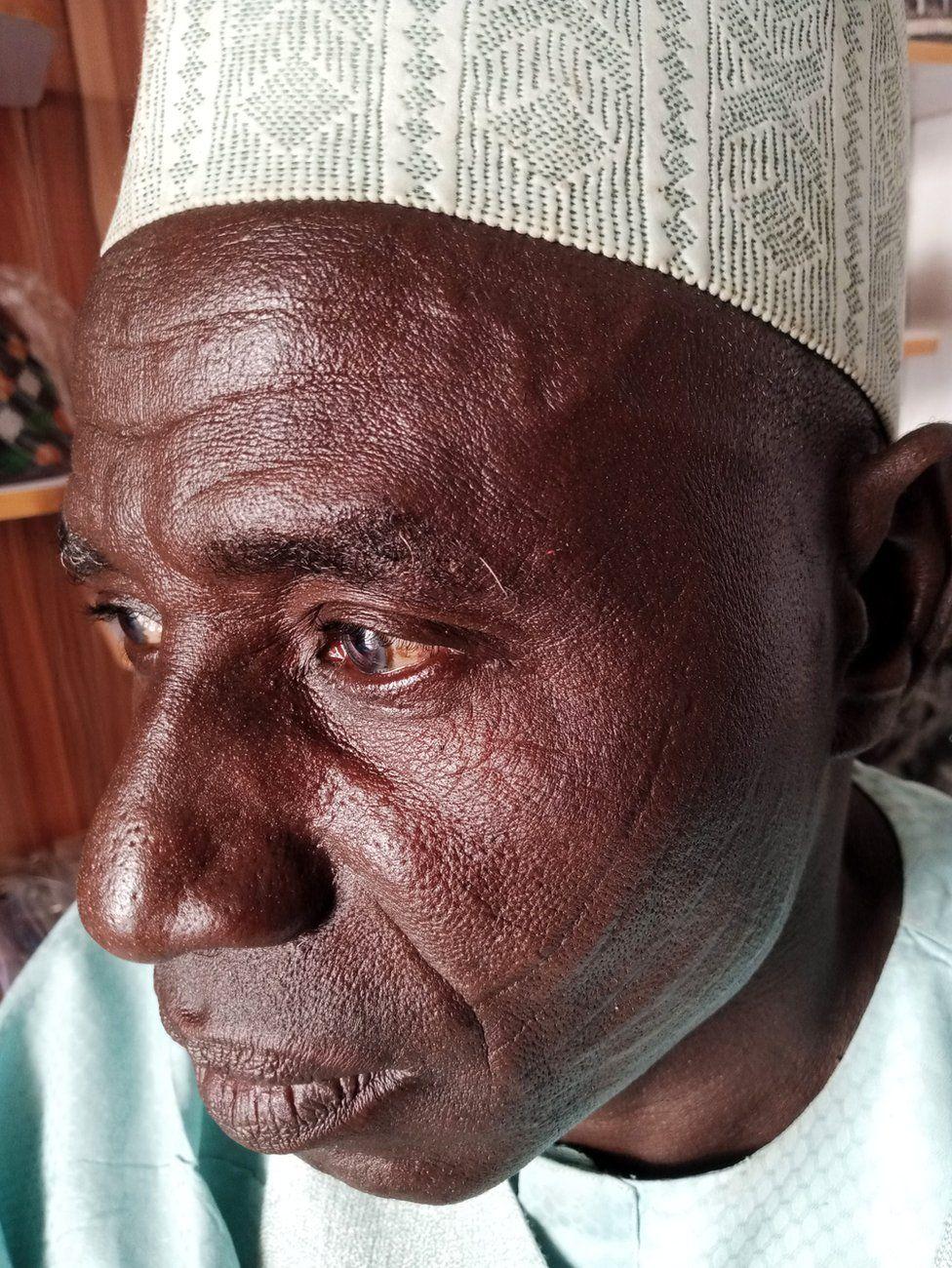
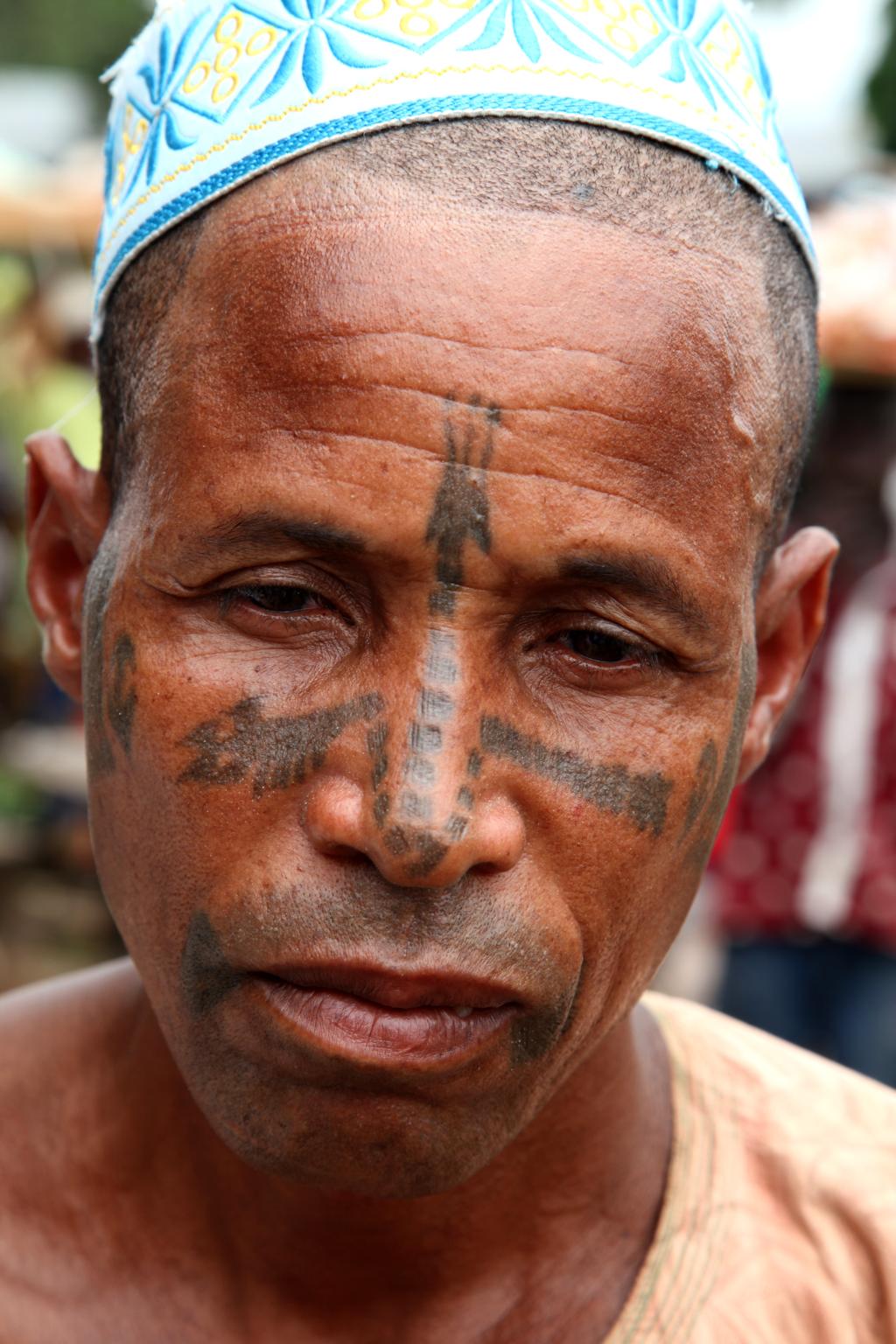
Hausa tribal marks are permanent facial scars traditionally created through deliberate incisions on the skin. They are commonly referred to as tsagar gado, meaning inherited or ancestral marks.
The markings were traditionally used to distinguish families, communities and kingdoms. Their patterns were passed down through generations, allowing people to identify one another’s origins through distinctive facial features.
Some markings were given to both male and female children, while others were associated with particular family groups or social classes.
The patterns were not uniform across Hausaland. Communities in Katsina, Daura, Kano, Sokoto, Zamfara, Kebbi and Jigawa developed different arrangements, each carrying its own historical associations.
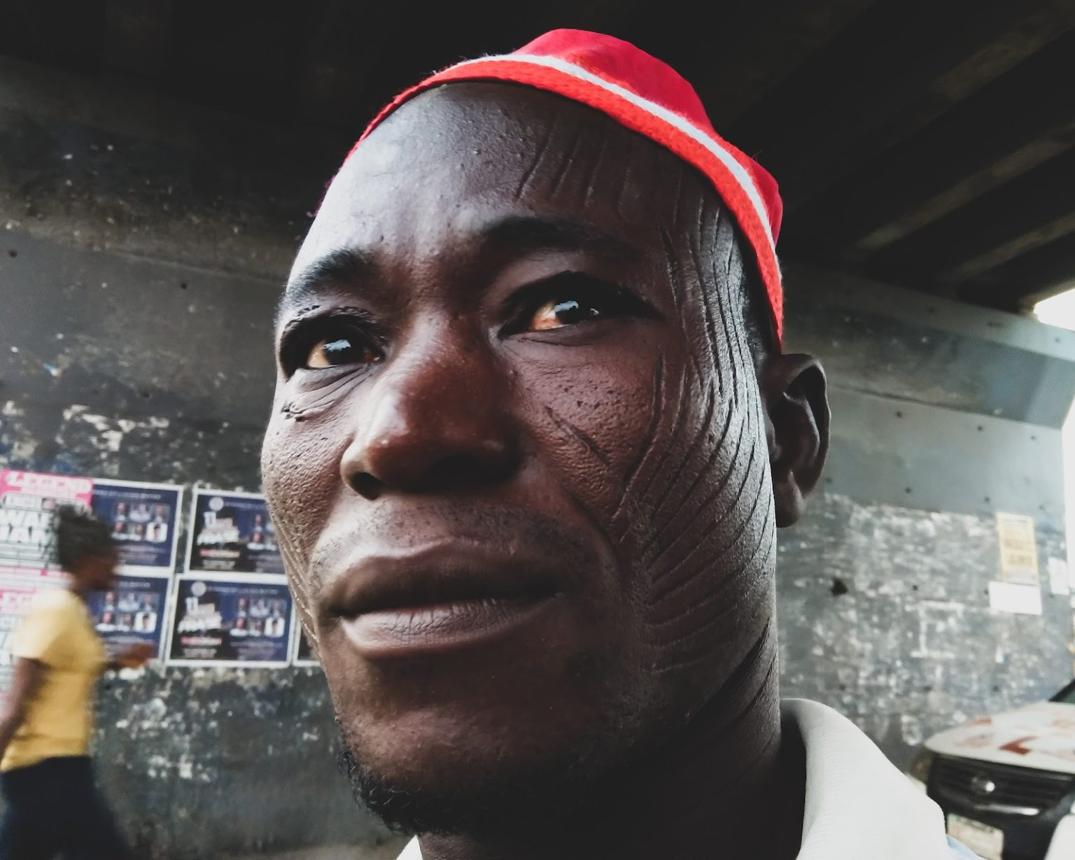
Why did Hausa people wear tribal marks?
The reasons for facial scarification varied across communities, but identity and ancestry were among its most important purposes.
Family lineage and ancestry
Facial marks helped people recognise members of particular families and ancestral groups.
In communities where several families lived together, distinctive markings provided a visible means of identifying a person’s background.
According to the 2024 study by Sallau, Dauda and Yakubu, some communities maintained facial marks even after migrating from their original settlements and adopting aspects of Hausa language and culture.
For these groups, the markings remained a connection to their ancestral origins.
Community and kingdom identity
One of the major functions of Hausa facial marks was to distinguish people from different kingdoms and settlements.
Patterns associated with Katsina, Daura, Gobir, Zamfara, Kabi and other traditional territories could help establish where a person came from.
The marks were particularly significant in earlier societies, where migration, trade, warfare and changing political relationships brought different communities into contact.
Social status and royal distinction
Some facial markings also communicated social position.
Among the Katsinawa, for example, historical scarification patterns distinguished members of the aristocracy from commoners.
The study by Sallau and his colleagues documents differences in the arrangement of marks on the right and left sides of the face.
Among the Kabi people, a particular pattern was reserved for the royal family descended from Kotal Kanta, the founder of the Kabi kingdom.
Such distinctions demonstrate that facial scarification could communicate more than ethnic or community identity.
Beauty and cultural expression
Facial markings also had an aesthetic purpose. Certain patterns were created to enhance physical appearance, particularly among women and younger members of some communities.
Traditional practitioners produced decorative designs on the face and other parts of the body.
The practice of jarfa, associated with decorative body marking, formed part of the wider tradition of Hausa body art.
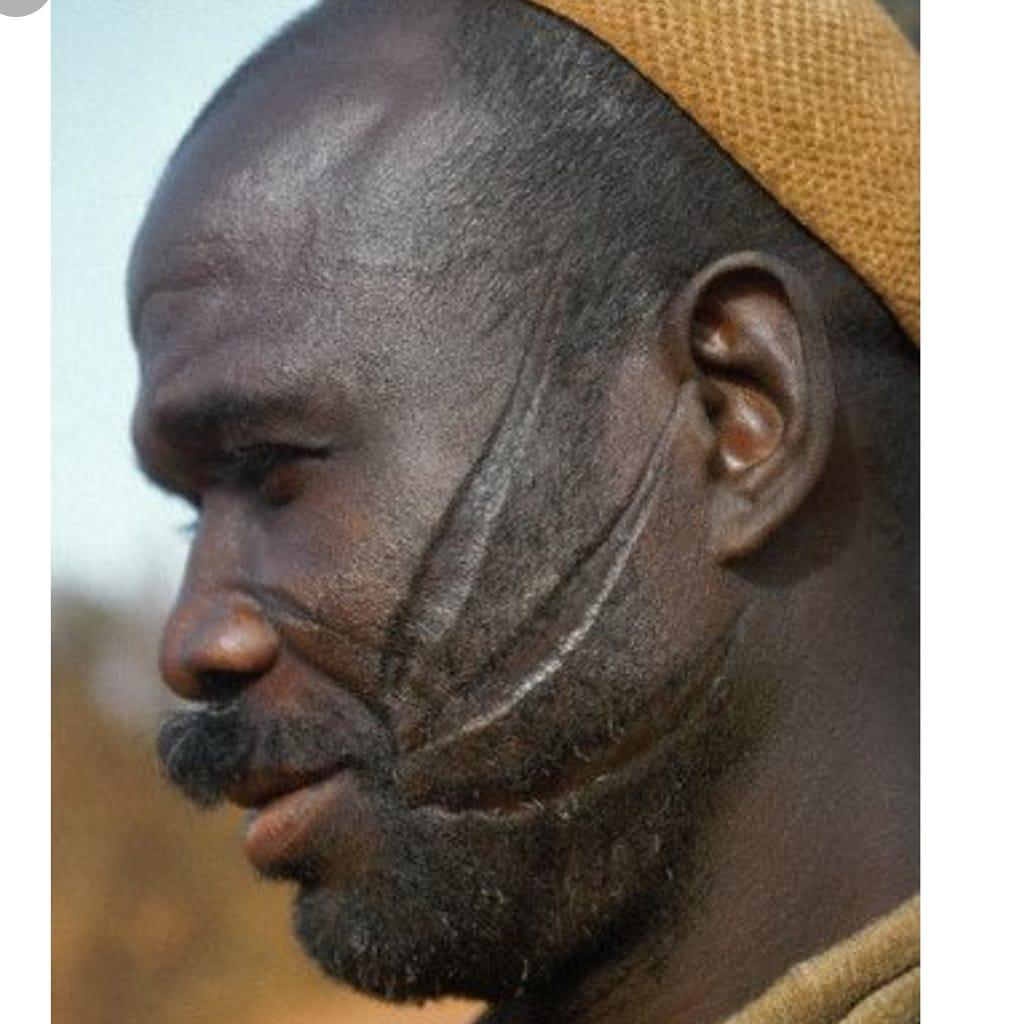
The different types of Hausa tribal marks
Hausa facial marks vary in number, arrangement, length and position. The 2024 study identifies several patterns associated with different communities and kingdoms across Hausaland.
Here are some documented examples.
Katsinanci
Katsinanci is associated with the Katsinawa, people whose ancestral identity is connected to the Katsina Kingdom.
The traditional pattern consists of several marks arranged on both sides of the face, including short diagonal or vertical lines around the temples and cheeks.
According to Sallau and his colleagues, the standard pattern contains seven marks on one side and six on the other.
Among the aristocracy, seven marks appear on the right side and six on the left, while the arrangement is reversed among commoners. The pattern is also associated with a variation known as zube, which involves markings around the temple.
Although Katsinanci was historically found across several parts of Katsina, it is now more commonly encountered among older generations and in rural communities.
Dauranci
Dauranci is associated with the people of Daura in present-day Katsina State. The pattern is characterised by two prominent descending lines extending from the temples towards the mouth.
Additional short markings appear around the upper temple area, usually numbering between six and seven on each side. Daura occupies an important place in Hausa history and is associated with the Bayajidda legend, one of the traditional accounts explaining the origins of the Hausa states.
The facial marks therefore serve as an important expression of ancestral identity. Today, only a small number of Daurawa are reported to retain the traditional markings.
Gobirci
Gobirci is associated with the Gobirawa, whose historical settlements include parts of present-day Sokoto State and the Republic of Niger.
The traditional arrangement consists of several facial incisions, with variations depending on the community and social background of the bearer.
The 2024 study records a pattern of six marks on the right side and seven on the left among certain Gobirawa communities.
It also documents a simplified contemporary variation in which a single vertical incision appears on each cheek. This change illustrates how inherited cultural practices have been modified over time.
Zamfaranci
Zamfaranci is associated with the Zamfarawa, whose ancestral communities are connected to Zamfara Kingdom.
The traditional pattern consists of multiple vertical facial markings arranged on both cheeks.
Historical arrangements could include ten marks on the left and nine on the right. However, modern variations are considerably simpler, with some bearers having only two vertical cuts on each cheek.
The markings demonstrate how a recognisable pattern can evolve while retaining its association with a particular community.
Lezumanci
Lezumanci is associated with the Lezumawa, a community whose oral history connects its ancestry to the Zamfarawa.
Their facial markings combine vertical and diagonal lines, with additional marks around the temples.
Although the pattern resembles Katsinanci, one of its distinguishing features is the greater number of incisions around the temples. The community is primarily found in Katsina and Zamfara States.
Kabanci
Kabanci is associated with the Kabawa of the Kabi Kingdom in present-day Kebbi State.
The markings traditionally consist of ten incisions on the right side of the face and eleven on the left.
The pattern is associated with the commoners of the Kabi Kingdom, distinguishing them from the royal family, whose members are known as Lekayawa.
Lekayawa
Lekayawa is associated with the aristocratic family of the Kabi Kingdom. According to oral accounts documented through an interview at Kanta Museum in Argungu, the markings were reserved for descendants of Kotal Kanta, the founder of the kingdom.
The pattern consists of vertical lines extending from the mouth towards the temples, with additional markings across the forehead.
The documented arrangement includes ten marks on the right side, nine on the left and nine short marks on the forehead. The markings were therefore an important distinction between the royal family and other members of the kingdom.
Ƙwannanci
Ƙwannanci is associated with the Ƙwannawa of Ƙwanni. The traditional pattern consists of approximately 12 horizontal markings on the right side of the face and 11 on the left.
Additional vertical lines appear around the temples.
Unlike some other Hausa communities, the markings were not used to distinguish aristocrats from commoners. According to the study, members of different social backgrounds within the community shared the same pattern.
Yargwaram
Yargwaram is associated with the people of Gwaram in present-day Jigawa State.
The pattern is relatively simple, consisting of three incisions beneath each eye. It serves as a distinctive marker of people from the Gwaram Emirate, distinguishing them from neighbouring communities.
Wangarawa
The Wangarawa are associated with communities around Rano and Gaya in Kano State, as well as Dutse in Jigawa State.
Their traditional facial markings consist of five long vertical lines on each cheek, extending towards the mouth.
The pattern is among the distinctive examples of Hausa scarification documented in the 2024 study.
Warjanci
Warjanci is associated with the Warjawa of Masanya in Birnin Kudu Local Government Area of Jigawa State. The pattern consists of two groups of short incisions on each side of the face. Each group contains five lines, with one arrangement positioned above the other.
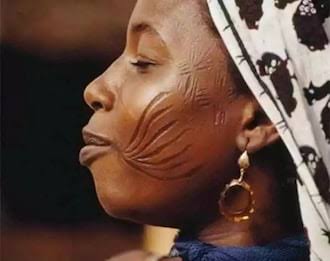
Tribal marks and the different communities of Hausaland
Although several Hausa communities share similar cultural practices, their facial markings reflect distinct histories.
The Katsinawa, Daurawa, Gobirawa and Zamfarawa, for instance, have patterns associated with their respective ancestral kingdoms.
The Kabawa and Ƙwannawa also maintain distinctive arrangements connected to their traditional communities.
However, Hausaland is not culturally homogeneous. Several non-Hausa communities migrated into the region over centuries through trade, political relationships, warfare and settlement.
Some adopted Hausa language and cultural practices while retaining facial markings associated with their original ancestry.
This is particularly evident among certain Kanuri, Tuareg and Fulani communities.
Facial marks among the Kanuri and Barebari
The Kanuri, also known in some historical Hausa accounts as Barebari, have a long history of interaction with Hausa communities.
Migration from the Borno Empire brought several Kanuri families into different parts of Hausaland, including Katsina.
Despite becoming integrated into Hausa society, some families maintained distinctive facial markings that reflected their ancestral origins.
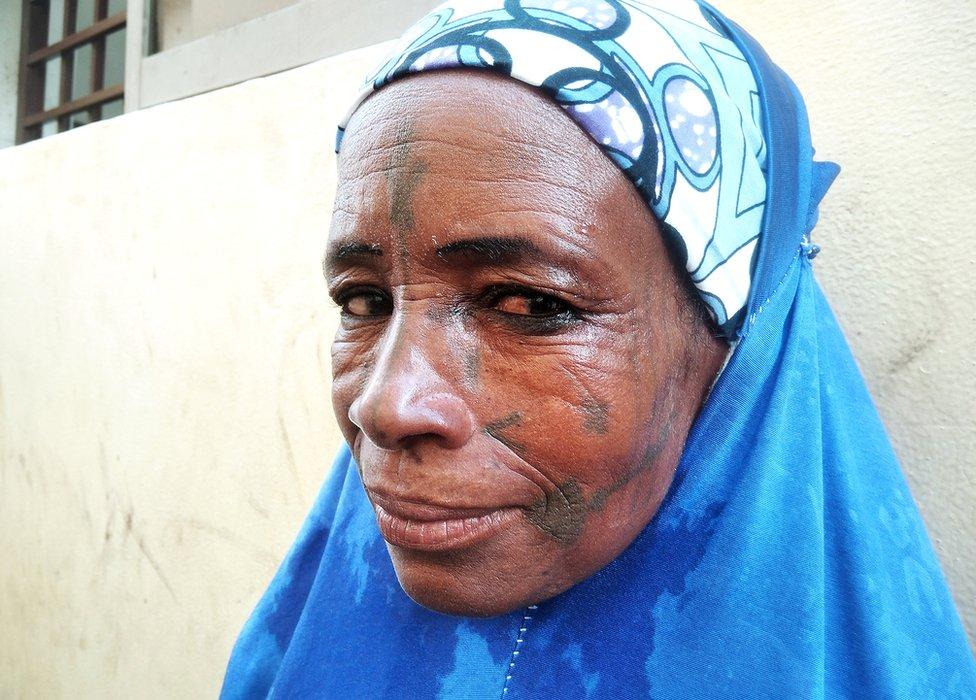
Among the Barebari of Katsina, the traditional pattern consisted of three layers of incisions on both sides of the face.
Each layer could contain approximately 10 to 15 lines.
However, the practice has changed considerably, with some families replacing the elaborate arrangement with a single long incision on the forehead.
Facial marks among the Fulani
The Fulani have also maintained distinct facial-marking traditions in communities that became integrated into Hausa society.
One documented example is the Dallazawa, a Fulani lineage associated with Katsina.
Their facial marks are known as Kalangu.
The pattern consists of two or three straight incisions on each cheek, with additional smaller lines attached to the main markings, creating an appearance resembling a tree.
Both male and female members of the Dallazawa aristocracy traditionally received the markings.
Other documented communities include the Rumawa, Yanɗakawa, Shemawa, Mallawa and Ƙyarawa.
Although some of their patterns resemble one another, differences in the number and arrangement of lines help distinguish their ancestral identities.
For example, the Rumanci pattern associated with the Rumawa consists of two vertical lines on each side of the face. Female members traditionally received three additional vertical lines on the cheeks.
How were Hausa tribal marks made?
Traditional Hausa facial marks were administered by practitioners known as wanzamai, the plural of wanzami.
These were traditional barbers whose responsibilities extended beyond shaving hair.
According to Sallau and his colleagues, the practice of wanzanci included creating facial and body markings, traditional medical procedures and other forms of personal care.
The study identifies different categories of practitioners, including Wanzaman Gado, who performed several traditional procedures, and Wanzaman Jarfa, who specialised in decorative markings.
The instruments used for scarification included a small double-edged knife known as askar tsaga and razor blades.
The procedure involved making deliberate incisions on the skin, followed by the application of traditional substances.
The practitioners acquired their skills through apprenticeship, often learning under experienced barbers for one to two years.
These descriptions document historical practices and should not be treated as instructions for carrying out scarification today.
At what age were children given Hausa tribal marks?
The age at which children received facial markings varied across communities.
According to the 2024 study, Hausa facial marks were commonly administered during infancy, sometimes within the first week after birth.
In other cases, the procedure was performed before the child reached two years of age.
The timing depended on the customs of the family and community.
While some markings were inherited by children of both sexes, others were associated with particular family traditions or decorative purposes.
The role of migration in Hausa facial markings
Migration played an important role in the development of facial scarification traditions across Hausaland.
Over centuries, trade, political alliances, religious movements and warfare brought different communities into contact.
Some groups settled in Hausa kingdoms and gradually adopted the language and social customs of their new environment.
However, they retained certain physical markers of their ancestral identity.
The Kanuri, Tuareg and Fulani communities provide examples of this cultural interaction.
Their markings demonstrate how facial scarification could preserve a connection to an earlier homeland even after generations of settlement elsewhere.
Why are Hausa tribal marks disappearing?
Traditional facial scarification has declined considerably across many Hausa communities. Several factors have contributed to the change.
Modernisation and changing cultural practices
Urbanisation, education and changing social attitudes have influenced how younger generations view facial markings.
As people increasingly identify through family names, community histories and other forms of cultural expression, the need for permanent facial identification has reduced.
Changing ideas about beauty
Traditional facial markings were once accepted as part of the appearance of members of particular communities.
However, contemporary beauty standards have changed, and some families no longer consider permanent facial scars desirable.
Religious and social influences
Religious beliefs and changing social values have also influenced attitudes towards traditional body modification.
As communities have changed, some families have become less willing to continue inherited scarification practices.
Health concerns
Facial scarification involves cutting the skin and carries risks, including infection, excessive scarring and keloid formation.
Concerns about these complications have contributed to the decline of the practice.
Loss of traditional knowledge
The decline of scarification has also affected the transmission of traditional knowledge.
As fewer families request the markings, the number of practitioners with experience in particular patterns has reduced.
This creates a risk that some of the historical details surrounding specific community markings may disappear with older generations.
Preserving the history of Hausa tribal marks
Hausa facial markings provide an important record of the region’s cultural and social history.
Beyond their physical appearance, the patterns tell stories of ancestral kingdoms, migration, family relationships and traditional institutions.
Research by Sallau, Dauda and Yakubu provides valuable documentation of these traditions, including patterns that are no longer commonly seen.
Museums, cultural institutions and historical archives can help preserve photographs, oral accounts and representations of the markings.
The challenge is to document their meanings and histories without assuming that every Hausa person shares the same scarification tradition.
Although the practice is gradually disappearing, its cultural significance remains.
For communities across Hausaland, the lines once carried on the face were more than marks of identification. They were visible reminders of where people came from, the families they belonged to and the histories passed down through generations.