
 Get Guardian on Google
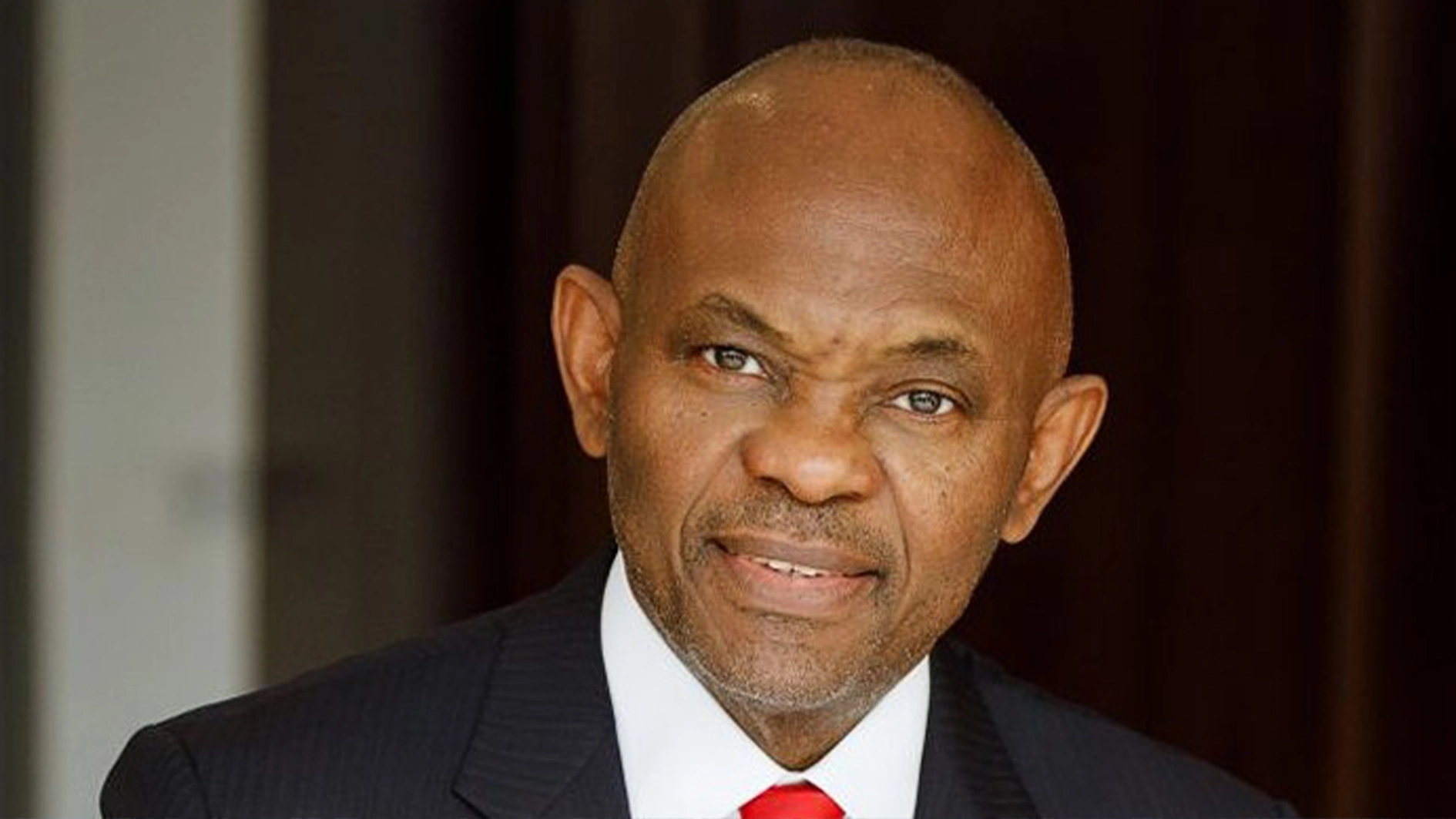
Chairman of Heirs Holdings and Transcorp Group and founder of the Tony Elumelu Foundation, Tony Elumelu has called for technology-driven judicial reforms and faster dispute resolution to strengthen investor confidence and private sector expansion.
He argued that delays in the administration of justice and weak enforcement of contracts are major obstacles to investment, urging the Federal Government to prioritise judicial reforms as part of efforts to improve the country’s business environment.
He further stressed that businesses’ ability to operate under predictable laws, enforce contractual agreements, and obtain timely judicial decisions remained fundamental to attracting and retaining investment.
Elumelu said investors were more concerned about the reliability of the legal system than government incentives, adding that uncertainty around contracts and unequal enforcement of regulations could discourage capital formation and push investors to move their resources elsewhere.
Speaking at the Wole Olaonipekun and Co. (WOC) Justice Summit in Abuja, which had the theme, ‘The Rule of Law as a Catalyst for Private Sector Growth and Economic Transformation’, Elumelu said the rule of law, from an entrepreneur’s perspective, rested on three fundamental assurances: that contractual agreements would remain binding, that regulations would apply equally to competitors, and that government changes would not invalidate existing business agreements.
“Where any of them is in doubt, capital doesn’t argue. It leaves,” he said.
According to him, predictability in the judicial system is a critical part of the investment climate because businesses need confidence that disputes will be resolved fairly and within reasonable timeframes.
“Capital goes where it’s safe and stays where it’s respected,” he said, adding that before infrastructure, electricity and tax incentives, investors needed assurance of fair, impartial and timely judicial decisions.
He cited his experience in acquiring a struggling bank in 1997 and subsequent investments in power, oil and gas through Transcorp as examples of business decisions that depended not only on economic prospects but also on confidence in the Nigerian legal system.
He warned that the next generation of Nigerian entrepreneurs would struggle to replicate such investments if the country failed to guarantee the protection of economic rights and contractual obligations.
For him, the objective should be to make justice delivery routine rather than exceptional, with efficient court processes that reduce the cost and uncertainty associated with commercial disputes.
The multi-conglomerate business mogul, who spoke from the perspective of an investor with four decades of business experience, maintained that an effective justice system was an essential part of the social and economic contract between government and the private sector.
He therefore called for deploying technology and institutional performance measures to address delays in the judicial process.
“Let us harness your reforming spirit, marry it with technology and the intellect of our legal profession. Let us set KPIs for case management and settlement. We can be effective and efficient,” he said.
Elumelu also linked the legal system’s effectiveness to the success of the economic reforms introduced by President Bola Tinubu, noting that the administration inherited an economy characterised by fuel subsidy expenditure, multiple exchange rates and weaknesses in the tax system.
He commended the President for removing the petrol subsidy, unifying the foreign exchange market, and signing the tax reform laws, describing the decisions as necessary steps to rebuild the economy on a more sustainable foundation.
However, he acknowledged that ordinary Nigerians had borne the immediate costs of the reforms, adding that the government needed to sustain the reform momentum while addressing the challenges confronting households and businesses.
According to him, subsidy allocations driven by discretion, opaque foreign exchange arrangements and negotiated tax obligations undermine the principles of transparency and equal treatment required for a functioning market economy.
He expressed confidence that the country’s investment outlook was improving, urging the President to maintain the momentum of economic reforms, particularly in the power sector.
He urged the legal profession, government, and private sector to work together to strengthen the country’s institutions, stressing that all stakeholders ultimately bear responsibility for translating reforms into economic prosperity.