
 Get Guardian on Google
President Bola Tinubu has called for the integration of sports into Nigeria’s educational programmes and the establishment of sustainable grassroots sports development structures across the 36 states and the Federal Capital Territory (FCT).
The President urged stakeholders to translate the summit’s deliberations into practical measures capable of delivering sustainable grassroots sports development nationwide.
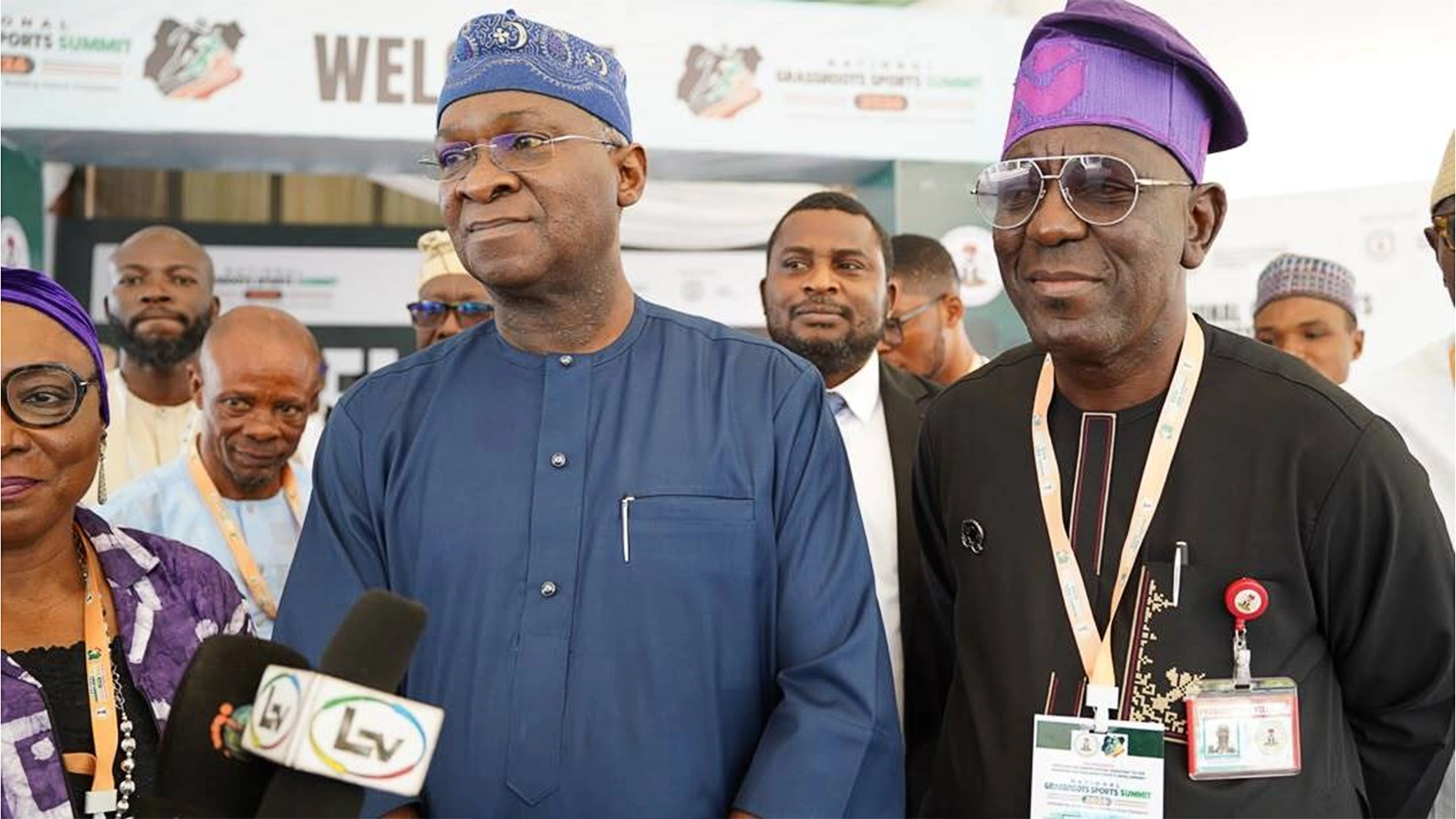
Tinubu disclosed this in Abuja, while declaring open the 2026 National Grassroots Sports Summit, themed “Creating a New Pathway for Sustainable Grassroots Sports Development in Nigeria.”
Represented by the Secretary to the Government of the Federation (SGF), Senator George Akume, the President described sports as a strategic component of national development, stressing the need to strengthen participation at the community level.
He called for greater inclusion of girls and persons with disabilities in sporting activities, while advocating an environment where sports could complement education and create opportunities for academic excellence.
He noted that every Olympic and world champion began their journey in a community, underscoring the importance of identifying and nurturing sporting talents from an early age.
In his remarks, former Minister of Works, Babatunde Fashola, called for increased investment in sports as a driver of economic development, urging stakeholders to prioritise locally manufactured facilities and equipment for grassroots programmes.
Fashola also described grassroots sports as an effective tool for tackling crime and other social vices among young people, noting that increased participation would provide positive alternatives and opportunities for youths.
He further advocated reforms in sports administration and the national sports calendar, insisting that the postponement of the National Sports Festival should not become a recurring practice.
Earlier, the Senior Special Assistant to the President on Grassroots Sports Development, Adeyinka Adeboye, said Tinubu recognised the importance of empowering young Nigerians through sports.
Adeboye said the priority was to build national collaboration and develop practical recommendations that would translate the summit’s objectives into measurable results.
He stressed that grassroots sports development could not be achieved from Abuja alone, but required coordinated efforts across all 774 local government areas.
He urged stakeholders to develop a sustainable framework that would expand access to sporting opportunities, identify emerging talents and strengthen Nigeria’s sports development structure from the community level.
Also speaking, Chairman of the National Sports Commission, Shehu Dikko, said the commission was implementing initiatives to strengthen local production of sports equipment, establish a stable National Sports Festival calendar and improve support for grassroots athletes.
Dikko said most Nigerian sports clubs, academies and institutions were already using locally manufactured kits, adding that the commission was working to encourage greater domestic production.
He said: “I am highlighting these efforts because we want this summit to provide an opportunity for meaningful discussions. We do not have all the answers, which is why we have brought together experts to share ideas, explore opportunities and develop strategies that can be integrated into our existing programmes.
“Our ultimate objective is to establish a stable and sustainable grassroots sports development system in Nigeria.”
He noted that the commission had adopted a biennial calendar, with the event scheduled to hold every two years between November and December.
He explained that the commission had expected to host the festival in Enugu State this year, but the state government requested a postponement until after the election.