
 Get Guardian on Google
Rex Forestry Limited is combining training, equipment, and a first option to purchase honey in a community beekeeping initiative designed to help rural producers in Ondo State develop their skills and reach buyers.
According to the company, participants have harvested over 100 litres of honey since the project began in 2025. Part of the produce is sold, while some is kept for household consumption and local use.
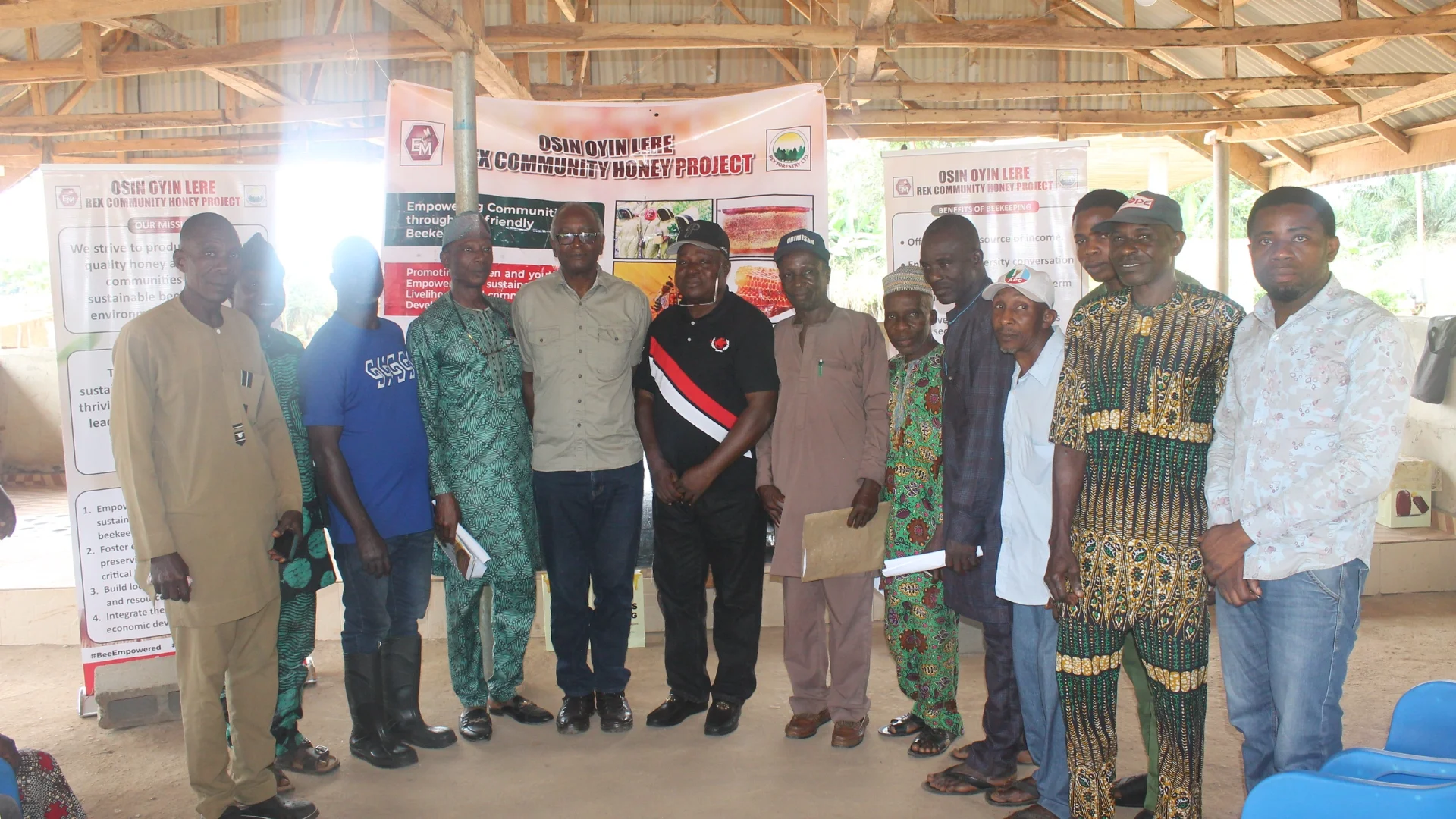
The Community Honey Project, known as Osin Oyin Lere, involves participants from Kajola and Makinde communities around the Oluwa Forest Reserve. It is designed to help residents develop beekeeping as an additional livelihood while encouraging care for the surrounding forest landscape.
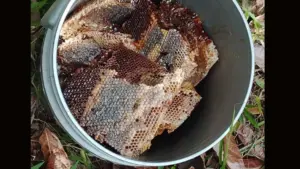
Rex funds training and provides equipment for the work, including hives, protective clothing and harvesting tools. Participants receive practical guidance on hive management, harvesting and basic processing, linking access to equipment with the skills needed to use it.
The project’s local apiculture specialist, Reverend Festus Makinde of Makinde community, provides technical guidance for this initiative. According to Rex, he brings extensive experience across Asia and Africa, including West Africa, to the training and development of community beekeepers.
Under the project’s purchasing arrangement, Rex has the first option to buy honey offered for sale. If the company does not purchase it, participants are free to sell to other buyers. This provides a potential route to market while allowing producers to pursue alternative sales opportunities.
Participants sell part of their harvest and retain some for household consumption or local use, consistent with the project’s provision for community use and sales. The approach combines income opportunities with access to locally produced food, within the initiative’s broader food-security and nutrition aims.
Women and young people are priority participants in the project’s design. Training is intended to build local expertise that can be shared within communities, while continued technical support helps participants develop their beekeeping practices.
The environmental aim is to strengthen community interest in caring for vegetation around hive sites. By linking a livelihood activity with the forest landscape, the project encourages participants to consider the value of maintaining the conditions on which their beekeeping depends.
Rex’s next priorities include improving hive management, maintaining training support and strengthening market connections. Wider participation is envisaged where conditions are suitable and the experience of existing producers supports further development.
Visit: https://rexforestry.com/