
 Get Guardian on Google
By James Popoola
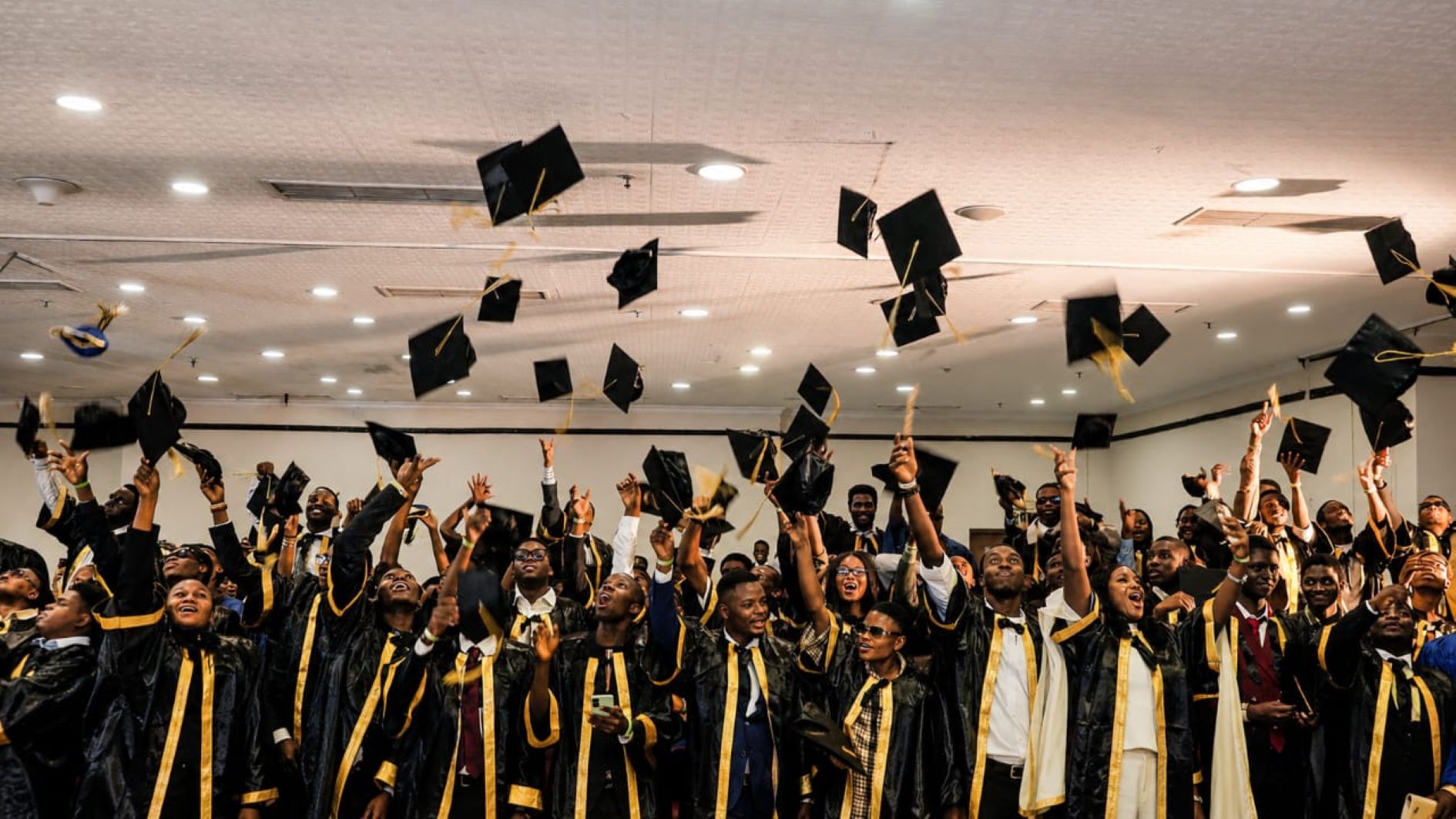
For many Nigerian graduates, completing a university education should mark the beginning of a promising professional journey. However, the reality is often different. After years of academic commitment, financial sacrifices and personal struggles, many young people discover that obtaining a degree is only the beginning of another difficult journey: finding meaningful employment.
The World Bank’s 2014 Nigeria Economic Report highlighted the scale of this challenge, identifying approximately 10 million job seekers in Nigeria as of 2012. More than a decade later, the transition from education to employment remains a significant development concern.
One major problem is the disconnect between academic learning and labour market expectations. Many graduates leave universities with theoretical knowledge but limited practical experience, professional networks and industry-specific skills. Unfortunately, employers increasingly demand candidates with previous work experience, even for entry-level positions.
This creates a frustrating paradox: graduates need employment to acquire experience, yet they need experience to secure employment.
The responsibility, however, should not rest entirely on young people. Universities must strengthen industry partnerships, introduce practical learning opportunities and ensure their curricula reflect changing workplace demands. Employers should invest in graduate trainee programmes, paid internships and structured mentorship rather than continuously searching for experienced candidates.
Government must also create an enabling economic environment that supports businesses, encourages entrepreneurship and expands sustainable employment opportunities.
Young graduates, meanwhile, must embrace continuous learning, digital skills development, professional networking and practical experience beyond the classroom.
Ultimately, Nigeria must rethink how it prepares young people for the world of work. Education should be a pathway to opportunity, not an expensive investment that leaves graduates struggling for relevance.
The question is not simply how many graduates our universities produce, but how effectively our economy can absorb, develop and empower them.
A degree should be the beginning of a professional journey, not the beginning of another struggle for survival.
About James Popoola
James Popoola is, a UN Summit of the Future Youth Champion for Nigeria, globally recognised Nigerian entrepreneur, multi-published author, global speaker, leadership coach and trainer with the passion to get young people out of their limiting mindset. He is fondly known as “Gen Z Coach.” He is a Sam Adeyemi Leadership Certified Coach through the Daystar Leadership Academy. [email protected] and connect with him @thejamespopoola on all social media platforms.