 Get Guardian on Google
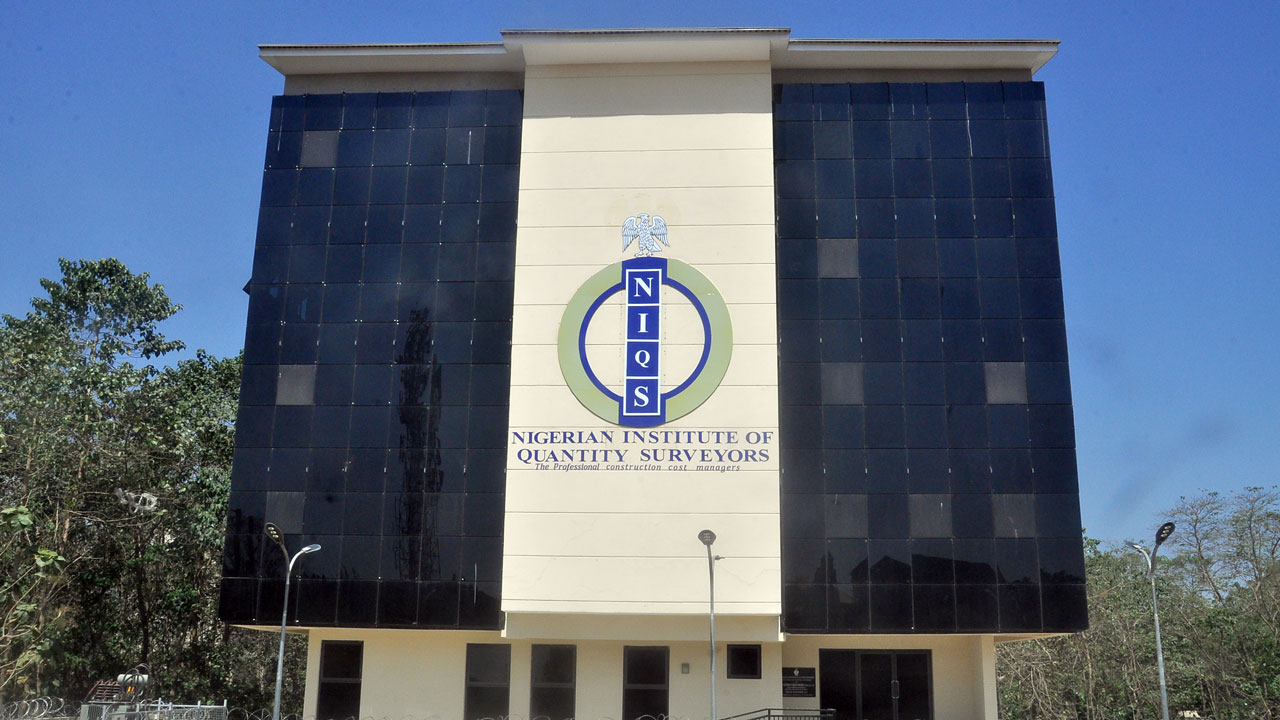
The Nigerian Institute of Quantity Surveyors (NIQS) has supported the Nigeria Capital Market Masterplan 2.0 (NCMMP 2.0), a 10-year strategic blueprint (2026–2036) recently launched by the Securities and Exchange Commission (SEC), though, with a caveat that it must accommodate housing-finance arrangements.
The 10-year masterplan by the NSE is aimed at deepening the country’s financial system and support a $1 trillion economy.
Also, the Institute, on Wednesday, unveiled a Cost Data Bank at its annual conference in Ilorin, Kwara State.
According to the NIQS, the integration of the housing-finance arrangements into the masterplan must be from project conception through construction and completion.
Delivering his opening address at the institute’s Annual General Meeting (AGM), the NIQS’ president, Dr. Aminu Bashir said the master plan would present opportunities for mobilising long-term investment for infrastructure and housing development.
Noting that attracting investment requires confidence, Bashir stated that Investors need assurance that proposed developments are viable, construction costs are realistic, project risks are properly understood and funds released are matched by work actually undertaken.
Bashir urged that: “professional cost management should be integrated into housing-finance arrangements from project conception through construction and completion.”
According to him, “Prospective homebuyers require the same confidence, particularly those purchasing properties off-plan.
“We welcome ongoing legislative discussions on strengthening real estate regulation and believe independent professional valuation and verification of construction progress can significantly protect investments and improve accountability.
“These concerns also explain why our Institute has continued to develop the NIQS Cost Data Bank to improve access to reliable construction cost information and strengthen budgeting, project planning and investment decisions.
“Beyond its immediate professional value, we see it as a contribution to a more transparent, efficient and knowledge-driven construction industry,” Bashir said.
Speaking on the theme: “Financing Sustainable Mass Housing: Synergising Cost Management and Capital Markets for Affordable Shelter in Nigeria,” the president explained that the institute deliberately aligned two important considerations that are often treated separately: the cost of delivering housing and the availability of finance to undertake that development.
Also addressing the conference, Retired Permanent Secretary and Pioneer General Manager/CEO, Kwara State Public Procurement Agency, Raheem Abdulbaki, in his goodwill message, noted that the housing deficit in Nigeria remains a major challenge, suggesting: innovative financing models, strong public-private partnerships, effective policies, and the active participation of professionals across the built environment to subdue it.
On the theme: the Kwara State Acting Head of Service, Dr. Olufunke Mercy Shittu, recommended housing and rent subsidy to be introduced by the government as well as, among others, social responsibility by corporate organisations to be channelled to housing.