 Get Guardian on Google
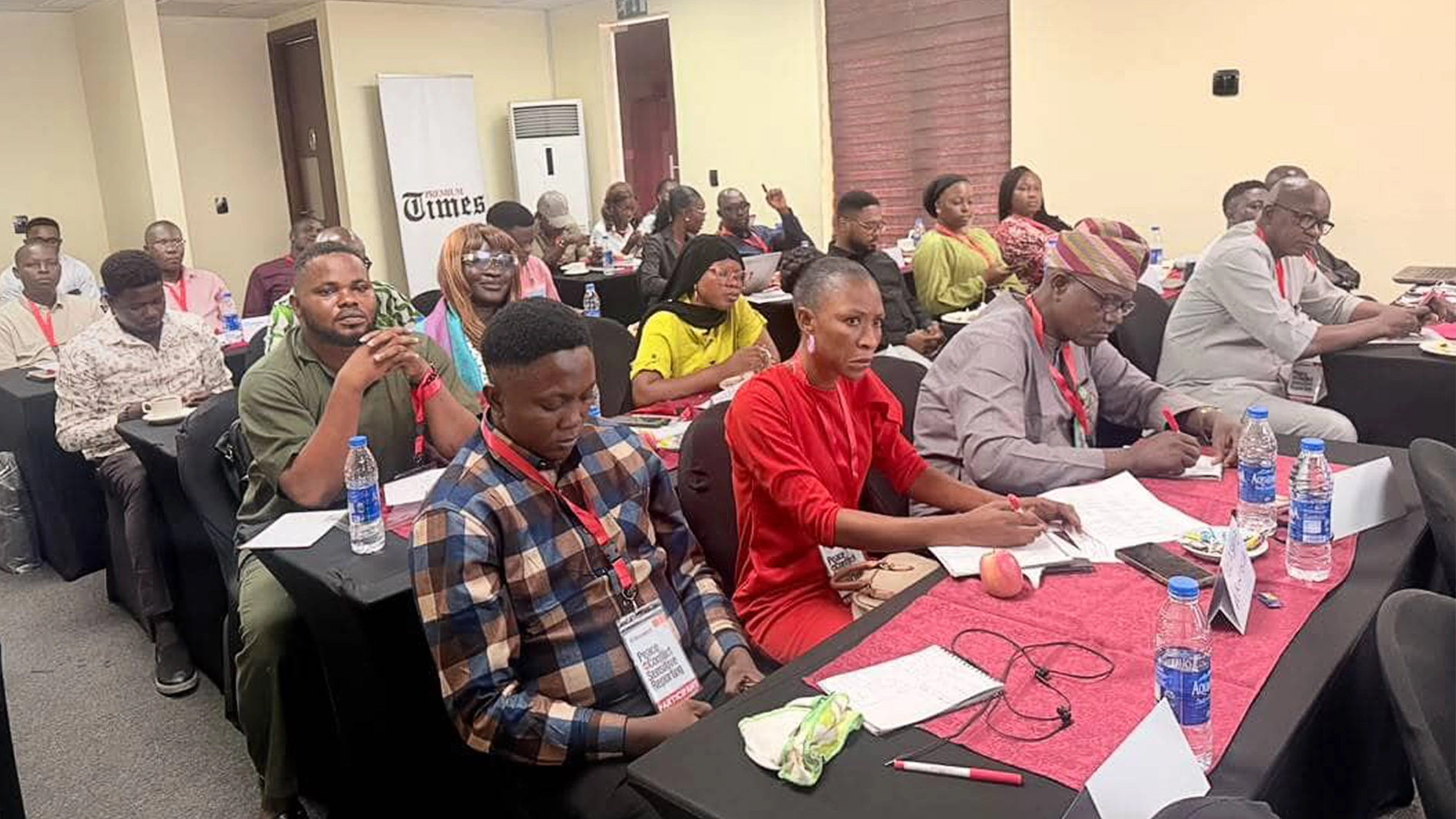
The Premium Times Academy (PTTA) has begun a two-day training on peace and conflict-sensitive reporting for Lagos-based journalists.
The programme brings together journalists from different media organisations to examine the growing importance of responsible reporting, particularly amid security challenges, community disputes and political and social tensions.
Speaking at the ongoing training in GRA, Ikeja, Lagos, the organisers said journalists must consider how their reports shape public understanding of events, beyond simply telling audiences what happened.
Participants will examine the causes of conflict, how it develops and the interests of different parties involved. The sessions will also focus on handling sensitive stories, choosing appropriate language, verifying information and identifying the dangers of hate speech and misinformation.
The training aims to equip journalists with the knowledge and confidence to make sound editorial decisions when reporting conflict-related issues.
Welcoming participants, Ifeyinwa Uzoka said journalists’ reports could promote understanding and draw attention to the experiences of people affected by conflict.
She, however, warned that careless language, incomplete information and inadequate context could deepen divisions and create further misunderstanding.
“A report can help people see an issue more clearly, encourage understanding, and bring attention to the experiences of those affected. Equally, careless language, incomplete information, or a lack of context can deepen divisions or create further misunderstanding. This is why the way we approach sensitive stories deserves careful thought,” she said.
Uzoka stressed that conflict-sensitive reporting should not prevent journalists from asking difficult questions, exposing uncomfortable truths or demanding accountability.
“Rather, it is about carrying out that responsibility with accuracy, fairness, and a good understanding of the situation we are reporting,” she added.
She acknowledged the experience participants brought to the training, noting that their exposure to different reporting environments and challenges would enrich discussions.
According to her, the programme would not only provide an opportunity for facilitators to share their expertise but also allow journalists to exchange practical experiences from the field.
“While our facilitators will be sharing their knowledge and expertise, we also want to learn from your experiences. We believe that some of the most useful lessons will come not just from the presentations, but also from the conversations we have during this training,” she said.
Uzoka acknowledged the pressures journalists face, including limited information, tight deadlines and the need to publish stories quickly.
She expressed hope that the discussions would provide practical guidance participants could apply in their respective newsrooms.
She urged the journalists to participate actively, approach the sessions with open minds and take away lessons that would improve their coverage of conflict and other sensitive issues.