 Get Guardian on Google
The Nigeria Democratic Congress (NDC) has launched a blistering attack on President Bola Ahmed Tinubu’s governance record in Lagos State, accusing him of building a revenue collection machinery that squeezed residents without delivering commensurate infrastructure, industrial growth and social welfare.
The party said Tinubu’s much-touted Lagos legacy was built more on aggressive taxation, opaque revenue arrangements and mounting debt than on genuine economic transformation, warning Nigerians not to mistake revenue extraction for development ahead of the 2027 presidential election.
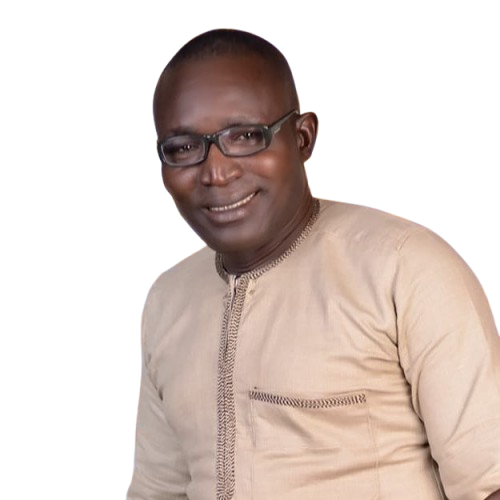
In a hard-hitting statement on Monday signed by the Deputy Spokesperson 1 of the NDC National Campaign Council, Sony Neme, the NDC National Campaign Council said the Lagos governorship record being paraded by Tinubu’s supporters as evidence of his capacity to govern Nigeria deserved scrutiny rather than political celebration.
The party challenged the President’s supporters to explain what happened to the enormous revenue generated by Lagos during his administration, insisting that the economic foundations of the state were largely built before he assumed office in 1999.
It pointed to the Apapa and Tin Can seaports, Murtala Muhammed International Airport and the Third Mainland Bridge as critical infrastructure inherited from previous administrations, arguing that Lagos’ commercial strength was driven substantially by federal investments and the enterprise of Nigerians from across the country.
“What took root after 1999 was industrialised tax extraction, not industrialisation,” the party declared, accusing the former Lagos governor of turning revenue mobilisation into a governing philosophy without adequately addressing the infrastructure and welfare needs of ordinary residents.
The NDC said Lagos had accumulated huge revenues from Internally Generated Revenue (IGR), Value Added Tax (VAT) and borrowing, yet several communities continued to battle flooding, poor healthcare infrastructure, congestion and unfulfilled development promises.
It questioned the transparency of the state’s tax collection arrangements, particularly the outsourcing of revenue collection to Alpha-Beta Consulting, reportedly on a 10 per cent commission.
The party also cited 2020 court filings containing allegations of more than N20 billion in unauthorised transfers, as well as past Senate testimony by former EFCC Chairman, Nuhu Ribadu, who reportedly described corruption allegations involving Tinubu as having an “international dimension.”
The NDC argued that the contrast between luxury developments such as Eko Atlantic and the hardship confronting residents in neglected mainland communities exposed what it called the inequality embedded in Lagos’ development model.
It also questioned the continued absence of the Fourth Mainland Bridge, describing it as another example of promises that have failed to translate into completed infrastructure.
The party said Lagos should not be benchmarked merely against other Nigerian cities but against major African urban centres such as Cairo, Kigali, Algiers, Rabat, Nairobi and Cape Town, insisting that its status as Nigeria’s commercial hub should translate into far better living conditions for its residents.
Turning its criticism to the national administration, the NDC accused Tinubu of exporting the same fiscal model to Abuja, alleging that Nigerians were being confronted with mounting debt, heavier tax burdens and insufficient transparency without corresponding improvements in their living conditions.
It warned that the 2027 election offered Nigerians an opportunity to reject what it described as a system in which government revenue expanded while citizens continued to shoulder the burden of economic hardship.
The party called on voters to reject Tinubu’s re-election bid and support the NDC presidential ticket of Peter Obi and Rabiu Musa Kwankwaso, claiming the duo would prioritise accountability, transparency and people-centred governance.