 Get Guardian on Google
Africa is making measurable progress on digital development and enabling policy, but turning widespread mobile broadband coverage into meaningful digital participation remains a critical challenge.
This is according to the GSMA’s flagship Digital Africa Index 2026, launched at the GSMA Digital Africa Summit Cape Town.
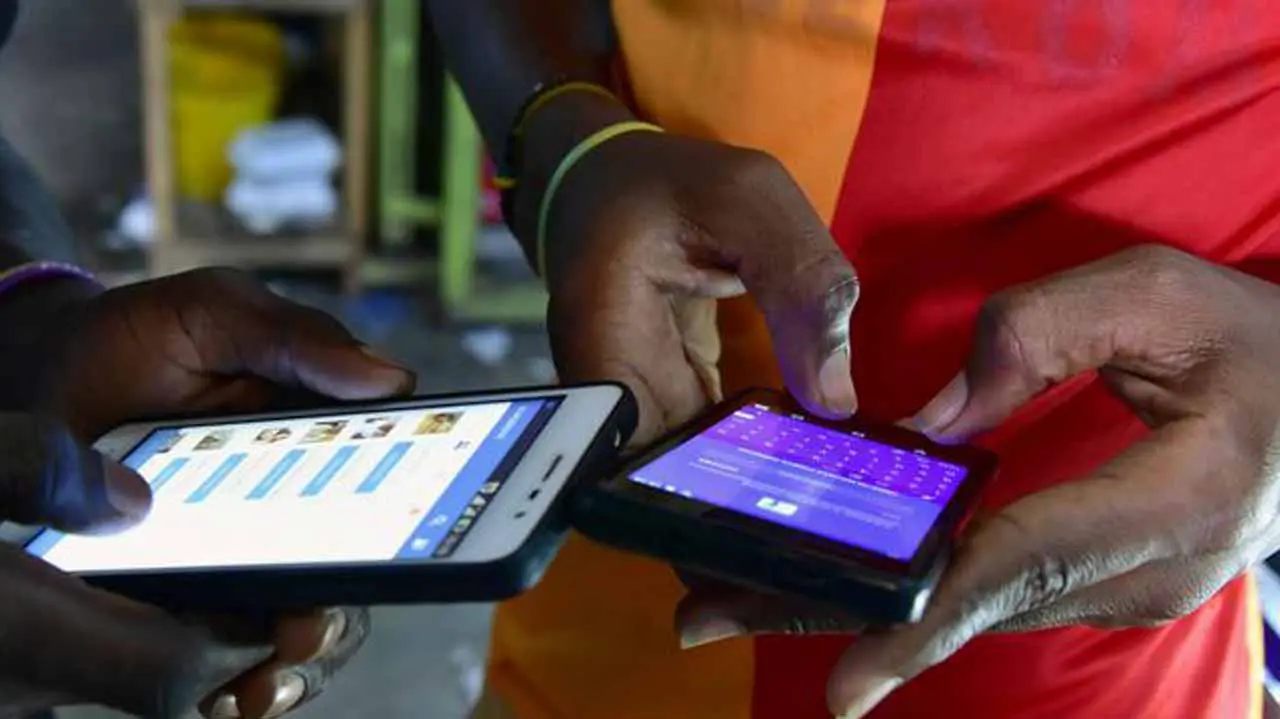
GSMA disclosed that mobile broadband networks now cover 92 per cent of Africa’s population, yet only 28 per cent use mobile Internet on their own devices, leaving a 64 per cent usage gap. The cost of Internet-enabled devices, limited digital skills and a lack of relevant local content and services remain significant barriers to adoption.
While the usage gap is a global challenge, it is largest in Africa, making accelerating adoption across the region particularly urgent.
The Summit brought together policymakers, regulators and mobile industry leaders to address these challenges and explored how to extend the benefits of connectivity across Africa. Drawing on data from 54 countries, the Index gave delegates an evidence base to compare where reforms are driving progress and where further action is needed. This year’s report places particular focus on digital government and what it takes to turn the availability of online public services into meaningful use.
The Index also pointed to encouraging policy momentum. It noted that 10 African countries now combine stronger digital development with more enabling policy and regulation, up from three in 2024. Egypt, Ghana, Nigeria, Rwanda, Senegal, Seychelles and Tunisia have joined Kenya, Mauritius and South Africa in the Index’s leading group.
Head of Africa, GSMA, Angela Wamola, said: “Africa has made real progress in expanding mobile broadband coverage. The challenge now is ensuring that more people can actually use it. With 64 per cent of the population living within coverage but not using mobile Internet, closing the usage gap requires us to tackle the barriers that continue to keep people offline.
“South Africa shows what targeted reform can achieve. Making smartphones more affordable, building digital skills and ensuring people have access to relevant, trusted digital services can help turn connectivity into meaningful economic and social participation.”
The Digital Africa Index drew on data from 54 African countries, assessing digital development alongside the policy and regulatory conditions that can enable it. This year’s report also focused on digital government and what it takes to translate the availability of online public services into meaningful use.
Egypt, Ghana, Nigeria, Rwanda, Senegal, Seychelles and Tunisia have joined Kenya, Mauritius and South Africa in the Index’s leading group for digital development and enabling policy and regulation.
South Africa and Kenya recorded the highest Digital Nations and Society Index (DNSI) scores, at 69 and 65 out of 100 respectively. Egypt and Ghana recorded the largest gains in their Digital Policy and Regulatory Index (DPRI) scores since 2024, supported by reforms across areas including cybersecurity, spectrum management, consumer protection and digital inclusion.
With mobile broadband already reaching most of Africa’s population, addressing the barriers preventing people from using the Internet is increasingly important to unlocking the benefits of connectivity.
Device affordability is one of those barriers. Only nine of the 54 countries assessed impose neither sector-specific taxes nor import duties on mobile handsets, down from ten in 2024.
South Africa provided an example of how targeted tax reform can support smartphone adoption. After the country removed the nine per cent excise duty on smartphones priced below R2,500 in April 2025, monthly sales of entry-level smartphones increased by 80 per cent, from around 250,000 in March 2025 to around 460,000 in February 2026, according to GSMA analysis.
Alongside targeted tax reform, the report identified sustainable device financing as another way to lower the upfront cost of Internet-enabled devices. It also calls on regulators to make spectrum allocated to mobile services available at prices that support continued investment in coverage and network quality.
The Digital Africa Index 2026 also examined how governments can ensure that putting public services online translates into better outcomes for people and businesses.
Simply making a service available digitally does not guarantee its use. People may still struggle to complete a transaction because of unreliable connectivity, language barriers or services that require users to complete part of the process in person.
The report identified five areas where implementation can fall short: access; public value; trust and accountability; inclusion; and coordination across government agencies.
To accelerate inclusive digital adoption, the GSMA identified five priorities for governments, regulators and industry:
Make affordable and reliable connectivity a foundation of digital service delivery. Improve network quality, address the combined cost of devices and data, and design services that work on low-bandwidth connections.
High device costs keep 64% of Africans offline
Africa is making measurable progress on digital development and enabling policy, but turning widespread mobile broadband coverage