
 Get Guardian on Google
Industry leaders have said that stronger systems resilience, proactive planning and transparent communication are critical to protecting businesses and customers from the impact of service disruptions across Nigeria’s increasingly digital economy.
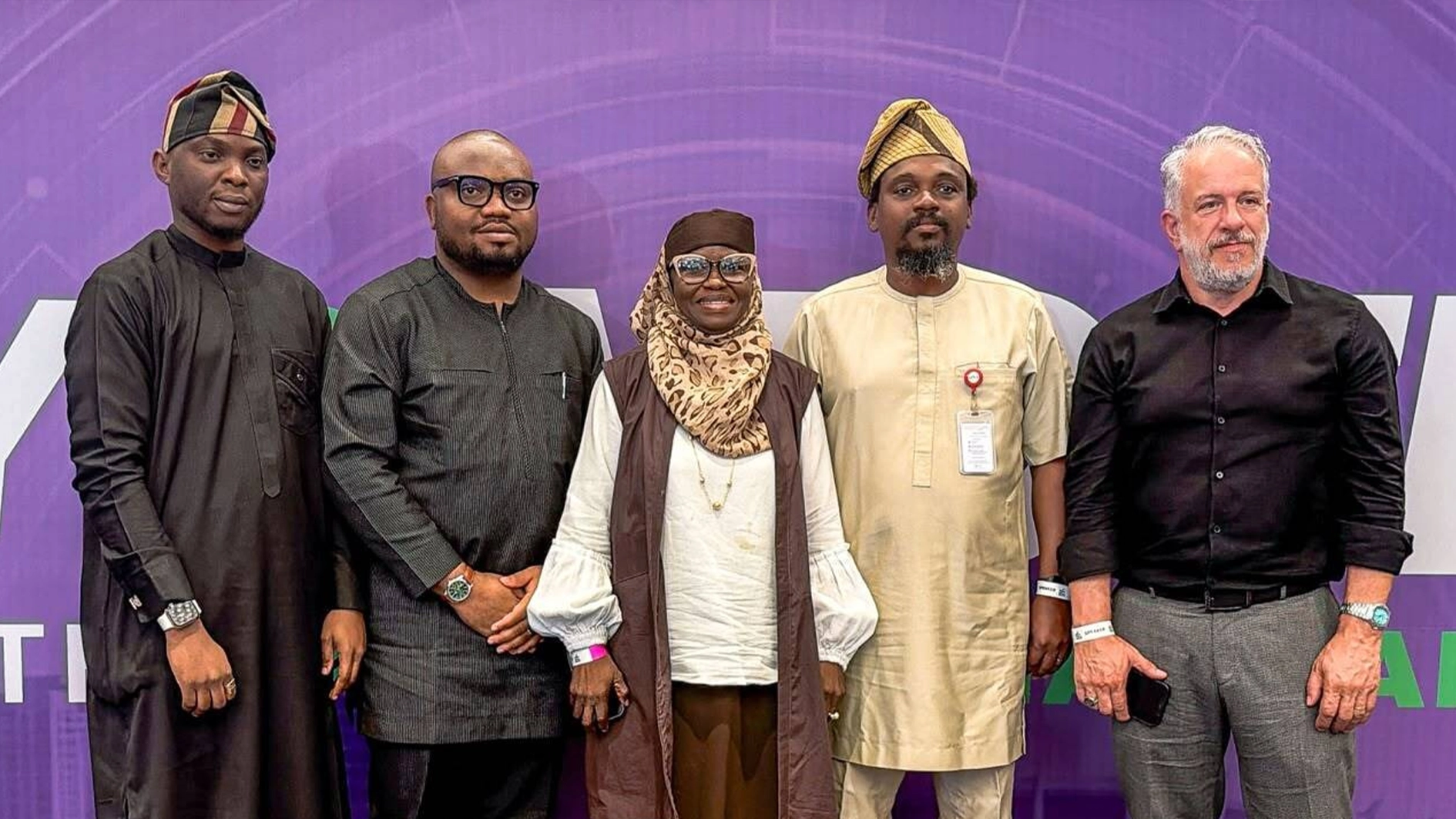
The call was made during a panel session titled: ‘When Systems Fail’ at the just-concluded Nigeria Fintech Week in Lagos.
At the event, industry experts examined how failures across technology, connectivity, power, infrastructure, personnel and other parts of the service value chain could affect businesses and the millions of customers who depend on financial and digital services every day.
Speaking during the session, Oluwaseun Oluboyo, Chief Technology Architect, ipNX, stressed the need for organisations to move beyond simply hoping that systems would not fail and instead deliberately design their operations around the possibility of failure.
He said: “It is important to anticipate failure and to design for it. We don’t hope or pray that something won’t fail. If and when it fails, how do we recover and maintain services.”
Oluboyo noted that organisations needed to examine their entire technology and service stack and identify alternatives before disruptions occur.
He referenced the undersea cable disruptions experienced in 2024 as an example of how a seemingly straightforward connectivity problem can trigger wider operational challenges.
Besides, he emphasised that resilience must therefore extend beyond technology alone, requiring organisations to consider the entire value chain supporting their services, from suppliers and connectivity to power and human resources.
“You have to consider the entire value chain of your services from supplier to connectivity, power and anticipate failure and then design for it,” he said.
The panel also focused on the importance of honest and timely communication when disruptions occur.
According to Oluboyo, customers should be given clear information about what is happening, particularly where alternative solutions can be provided while an issue is being resolved.
He further noted that customers depended on digital and financial services for their livelihoods and had obligations of their own, making transparency an important part of managing service disruptions.
Also speaking on the panel, Head, Digital Skills & Services, Digital Economy, NCC, Hauwa Wakili, highlighted the role customers themselves must play in understanding the systems they rely on.
She encouraged customers to actively seek information and understand what actions they can take when disruptions occur.
She also stressed the importance of continuous learning within the communications sector, noting that disruption is an integral part of the ecosystem.
According to Wakili, operators across the various segments of the industry must continue to train and retrain their personnel while upgrading their tools and capabilities to respond effectively to changing customer and industry demands.
The scale of infrastructure-related disruptions was further highlighted by Fernando Fernandes, CEO, Telcables, who called for greater collaboration and planning across the industry.
“We need to plan properly as a community. Last year, across the whole of Ghana, there were 8,000 fibre cuts, in Nigeria over 27,685 cuts according to NCC data,” he said.
Fernandes said the figures demonstrate the scale of the connectivity challenges facing the industry and reinforce the need for stakeholders to approach infrastructure resilience as a collective responsibility.
The discussion underscored that system failure is not solely a technology problem.
A disruption can originate from infrastructure, connectivity, power, software, suppliers or people, but its consequences can extend across businesses and customers that rely on interconnected digital services.
For Nigeria’s rapidly evolving fintech and digital economy, the panel reinforced the need for organisations to build systems that are not only designed to perform under normal conditions, but are also prepared to recover when things go wrong.
The “When Systems Fail” panel was part of the just-concluded Nigeria Fintech Week in Lagos, bringing together stakeholders from across the technology, telecommunications and financial services ecosystem to examine the challenges and opportunities shaping the future of Nigeria’s digital economy.