 Follow Us on Google News


 Follow Us on Google Discover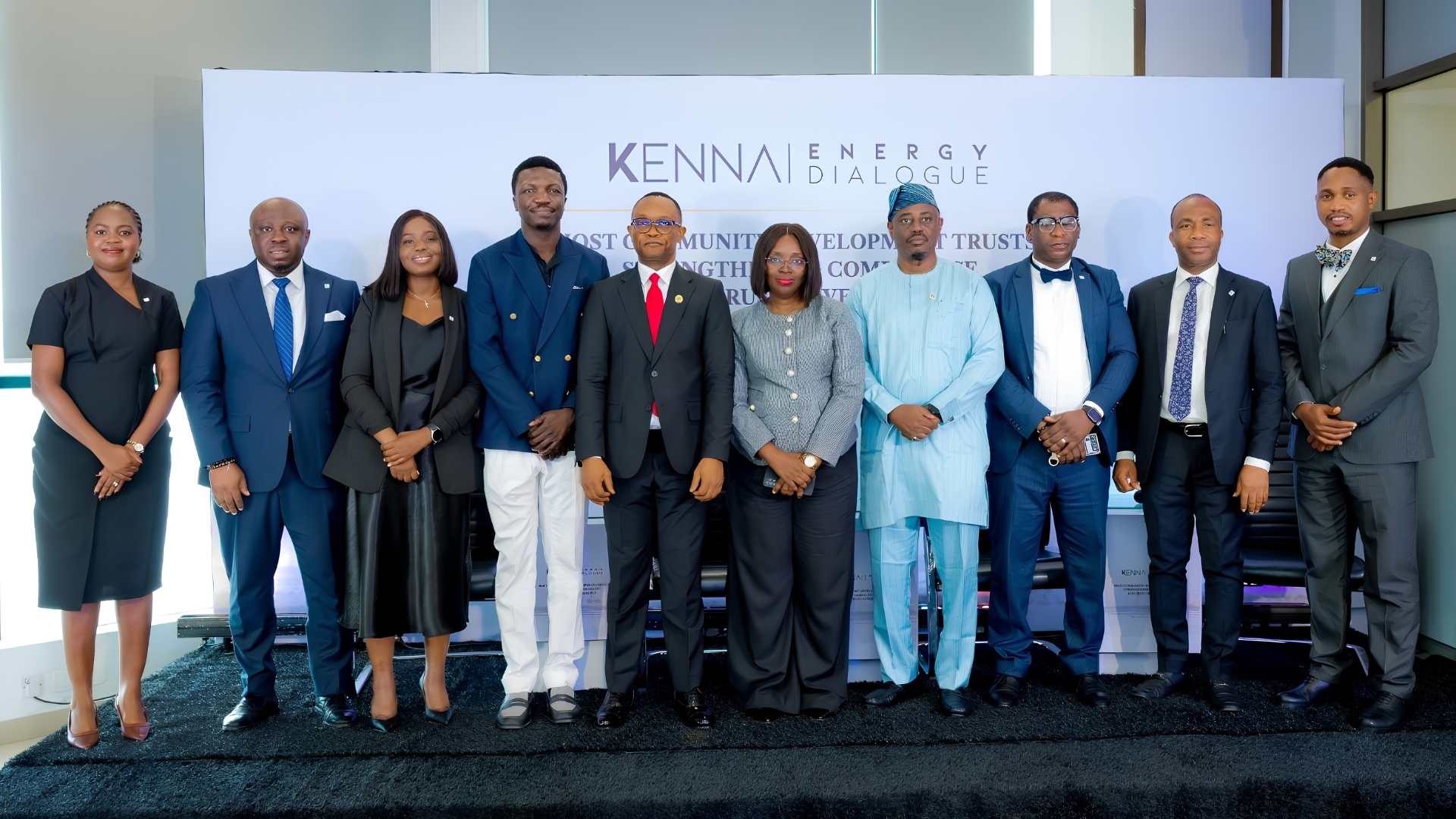
Stakeholders in Nigeria’s energy industry stressed that Host Community Development Trusts (HCDTs) must operate within the legal framework to earn the trust of host communities. They spoke during the 3rd Edition of the KENNA Energy Dialogue, held on October 13, 2026, and hosted by the top law firm KENNA LP.
The Dialogue, themed “Host Community Development Trusts: Strengthening Compliance and Trust Governance,” brought together industry leaders, executives, legal practitioners and policymakers. It centred on whether HCDTs are being run in line with the legal framework and whether that compliance translates to community trust.
Keynote addresses were delivered by Engr. Ebi Ogionwo, Deputy Director, Environment, Health and Safety, and Regional Head-Designate of Health, Safety, Environment and Community (South-West Zone), who represented Mallam Rabiu Umar, the Authority Chief Executive of the Nigerian Midstream and Downstream Petroleum Regulatory Authority (NMDPRA), and Mr Kingsley Ehiaguina, Deputy Director, Host Communities, who represented Mrs Oritsemeyiwa, Commission Chief Executive of the Nigerian Upstream Petroleum Regulatory Commission (NUPRC). The addresses set the stage for a practical examination of how HCDTs can move from statutory obligation to accountable, community-centred administration.
Speaking on behalf of the NMDPRA, Engr. Ogionwo remarked that, “a trust that the regulator cannot see is a trust that the regulator cannot certify.” Mr Ehiaguina, speaking for the NUPRC, noted that the Commission remains committed to ensuring that statutory HCDT contributions are not only remitted but also prudently managed, transparently accounted for and utilised to deliver sustainable development benefits to host communities.
A panel discussion followed, featuring Tomi Omatayo, General Counsel, Matrix Energy Exploration and Production Company Limited; Eunice Alasa, Deputy Managing Partner, KENNA; Mr Tommy Oladeji, Legal Manager, Tetracore Energy Group Limited, representing Okezie Okah-Avae, the company’s General Counsel; and Onyemauche Ibezim, Senior Associate at KENNA. The panellists considered whether HCDTs were operating within the legal framework and whether compliance had built community trust.
Tomi Omotayo advised that “Settlors should establish clear communication channels, engage regularly with host communities and communicate directly with the Board of Trustees.” Eunice Alasa stated that the “dispute resolution mechanisms are clearly provided for under the Petroleum Industry Act. However, effective dispute resolution requires more than addressing the issues in dispute; it requires identifying and addressing their root causes.” Eunice further emphasised the need for a governance framework which can address the concerns of the host communities. Mr Tommy Oladeji added that “companies must first understand why Host Community Development Trusts were established and how they effectively meet community needs.”

In their closing comments, the panellists reiterated that the success of the HCDT regime should not be measured solely by the number of Trusts established or the amount remitted. They noted that its effectiveness depended on whether the statutory framework delivered accountable administration, in which beneficiary communities are properly identified and engaged, and contributions are accurately calculated and remitted.

