
 Get Guardian on Google
…Former Tinubu aide accuses senator of distorting history
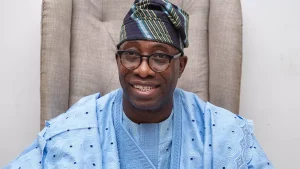
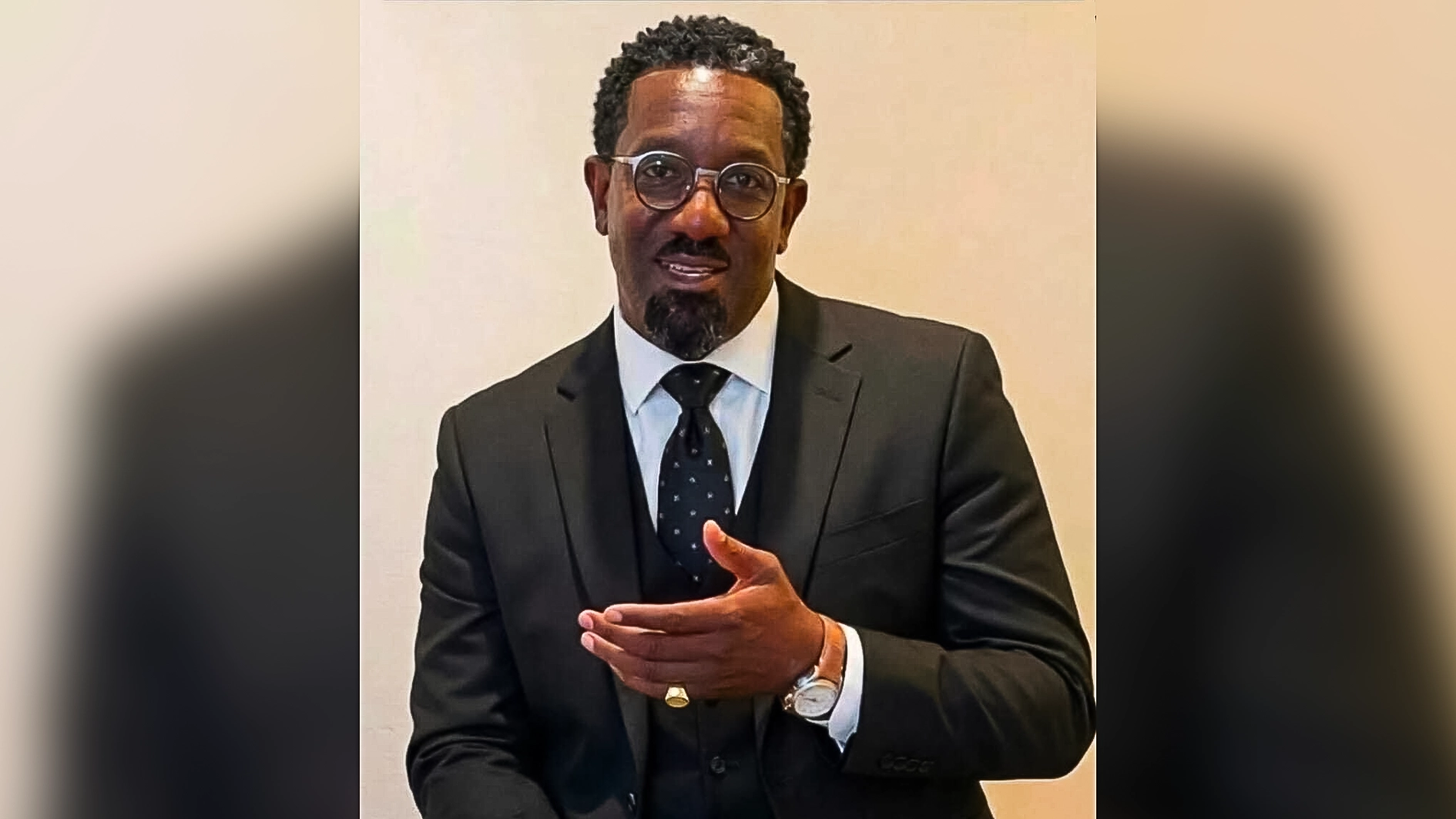
The Chairman of the Forum of Former Members of the Enugu State House of Assembly and former Southeast spokesman to President Bola Tinubu, Denge Josef Onoh, has criticised Senator Adams Oshiomhole over his remarks on former Presidents Olusegun Obasanjo and Umaru Musa Yar’Adua.
Oshiomhole had alleged at a book launch in Abuja that Obasanjo handpicked Yar’Adua as his successor in 2007 to rule Nigeria by proxy from Abeokuta. He also claimed that Obasanjo tore his Peoples Democratic Party (PDP) membership card out of frustration after former President Goodluck Jonathan refused to be controlled.
But in a statement made available to journalists in Abuja, Onoh accused the senator of distorting historical facts for political reasons.
He said his response was not motivated by prejudice, adding that he held Oshiomhole in high regard but would not remain silent when historical events were misrepresented.
Onoh said that while Oshiomhole was entitled to entertain his audience, Nigerians should not allow political storytelling to replace verifiable history.
He argued that the senator’s claims contradicted documented events, constitutional timelines and his own political record.
On Yar’Adua’s emergence as president in 2007, Onoh said the late president was chosen because of his record of integrity, frugality and intellectual discipline.
He noted that Yar’Adua, during his two terms as governor of Katsina State, became the first Nigerian governor to publicly declare his assets and left billions of naira in state reserves without incurring foreign debt.
Onoh maintained that Obasanjo’s support for Yar’Adua and his running mate, Jonathan, was intended to promote a new generation of disciplined and technocratic leadership rather than retain control of government.
He also cited Yar’Adua’s early decisions in office as evidence of his independence, noting that the late president reversed several policies introduced towards the end of Obasanjo’s administration.
These included the proposed sales of the Kaduna and Port Harcourt refineries, as well as planned increases in Value Added Tax (VAT) and fuel prices.
According to Onoh, the decisions showed that Yar’Adua was not acting as Obasanjo’s proxy.
He also disputed Oshiomhole’s account of Obasanjo’s decision to publicly renounce his PDP membership card in February 2015.
Onoh said Obasanjo’s break with the Jonathan administration and the PDP was rooted in broader national concerns, which he had outlined in his December 2013 open letter titled Before It Is Too Late.
He listed the Boko Haram insurgency, the abduction of the Chibok schoolgirls, alleged corruption in the oil sector and the PDP’s handling of controversial political figures among the issues that informed Obasanjo’s position.
Onoh described Obasanjo’s action as a public dissociation from an administration he believed had failed to address critical national challenges.
He also questioned Oshiomhole’s position on the Yar’Adua and Jonathan administrations, recalling that the senator was among their fiercest critics while serving as Edo State governor.
Onoh cited Oshiomhole’s opposition to the Jonathan administration following the removal of fuel subsidy on January 1, 2012. He said the then Edo governor had described the subsidy regime as a scam and accused the Federal Government of incompetence and lack of transparency.
He further recalled Oshiomhole’s criticisms of the Jonathan administration over the management of the Excess Crude Account, national security and the distribution of federal projects.
Onoh also described Oshiomhole as a key figure in the political coalition that led to the formation of the All Progressives Congress (APC), which campaigned successfully against Jonathan in the 2015 presidential election.
He said it was ironic that Oshiomhole was now attempting to rewrite the history of the same administration he had spent years opposing.
Onoh, however, praised Obasanjo for respecting constitutional term limits in 2007 and transferring power peacefully, describing the former president as a statesman whose contributions to Nigeria’s unity and democratic development remained significant.
He urged Oshiomhole to rely on verifiable historical records rather than what he described as politically convenient narratives.