GDN DESKTOP 1

Advertisement

Thu, 12 Nov, 2026

Read Life Mag

Today’s Game

Daily Snakes and Ladders

12 mins play

Play now

Services & Opportunities

Africa

Zimbabwe ends foreign currency use as inflation spirals

Zimbabwe announced on Monday that it would abandon the use of foreign currencies which replaced the local dollar that was swiped out by hyperinflation ten years ago.

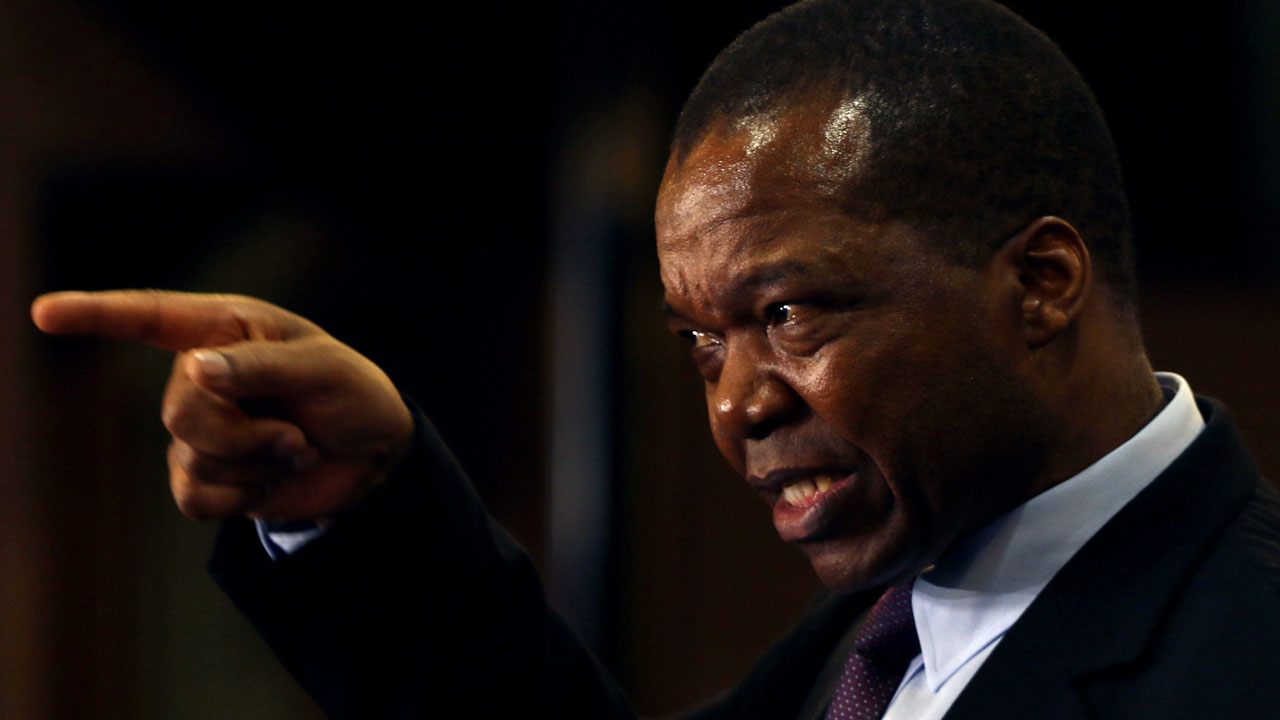
Reserve Bank of Zimbabwe (RBZ) Governor John Mangudya gestures as he delivers his 2018 Monetary Policy Statement in Harare
Reserve Bank of Zimbabwe (RBZ) Governor John Mangudya gestures as he delivers his 2018 Monetary Policy Statement in Harare, Zimbabwe February 7, 2018. REUTERS/Philimon Bulawayo

Reserve Bank of Zimbabwe (RBZ) Governor John Mangudya gestures as he delivers his 2018 Monetary Policy Statement in Harare, Zimbabwe February 7, 2018. REUTERS/Philimon Bulawayo
Zimbabwe announced on Monday that it would abandon the use of foreign currencies which replaced the local dollar that was swiped out by hyperinflation ten years ago.

The crisis-hit country is facing another bout of sharply rising prices, with official inflation now at nearly 100 per cent — the highest since the hyperinflation era.

Zimbabwe’s central bank said in a statement that official legal tender would be only the two local currencies — bond notes and “RTGS” — that were introduced as US dollar banknotes dried up.
[ad]
The US dollar, South African rand and other foreign currencies “shall no longer be legal tender alongside the Zimbabwe dollar in any transactions in Zimbabwe,” the bank said.

“Bond notes and RTGS dollars are at par with the Zimbabwe dollar.”

Advertisement

Bond notes were introduced in 2014, while electronic RTGS (Real Time Gross Settlement) dollars came earlier this year.

President Emmerson Mnangagwa has promised to introduce a proper national currency soon.

Bond notes and RTGS dollars have in theory been worth the same as US dollars, but have fallen sharply in value.

Zimbabwe’s economy has been in ruins since hyperinflation peaked at 500 billion percent in 2009 under president Robert Mugabe.

Advertisement

Mnangagwa’s efforts to attract investment and create jobs have struggled since he came to power in 2017.

[ad unit=2]

Go Beyond The Headlines

Trusted reporting and sharp analysis on the stories shaping Nigeria and the world, in your inbox.

Subscribe to our newsletter

From the Archive - This December

1989 Dizzy Gillespie: The jazz legend who became a Yoruba chief

Trending News

Advertisement

More from Africa

Taboola Recommendation Widget