
 Get Guardian on Google
As Nigeria moves to formalise its emerging care economy and expand employment opportunities abroad, labour standards and workers’ protection could unlock new jobs and economic growth, GLORIA NWAFOR reports.
Across Nigeria, millions of households depend on relatives, domestic workers, nannies and professional caregivers to look after children, elderly parents, persons with disabilities and other dependants. For many families, these services enable working parents, particularly women, to pursue careers, run businesses, and participate in economic activities.
Yet, despite its importance to household welfare and national productivity, care work remains one of the least recognised forms of labour, with many workers enduring long hours, low pay, inadequate social protection, and limited opportunities for professional development.
From caring for newborns and children to supporting older persons, people with disabilities and those recovering from illnesses, caregivers perform responsibilities that sustain families, communities and the wider economy. However, much of this work remains outside formal employment arrangements, leaving millions of workers without the protections and recognition associated with decent work.
The growing demand for professional care services, driven by urbanisation, migration, changing family structures, and demographic shifts, has further exposed weaknesses in Nigeria’s care infrastructure.
While the world marked the International Day of Care and Support recently, the International Labour Organisation (ILO) called for greater investment in comprehensive care systems and improved working conditions for those providing essential services.
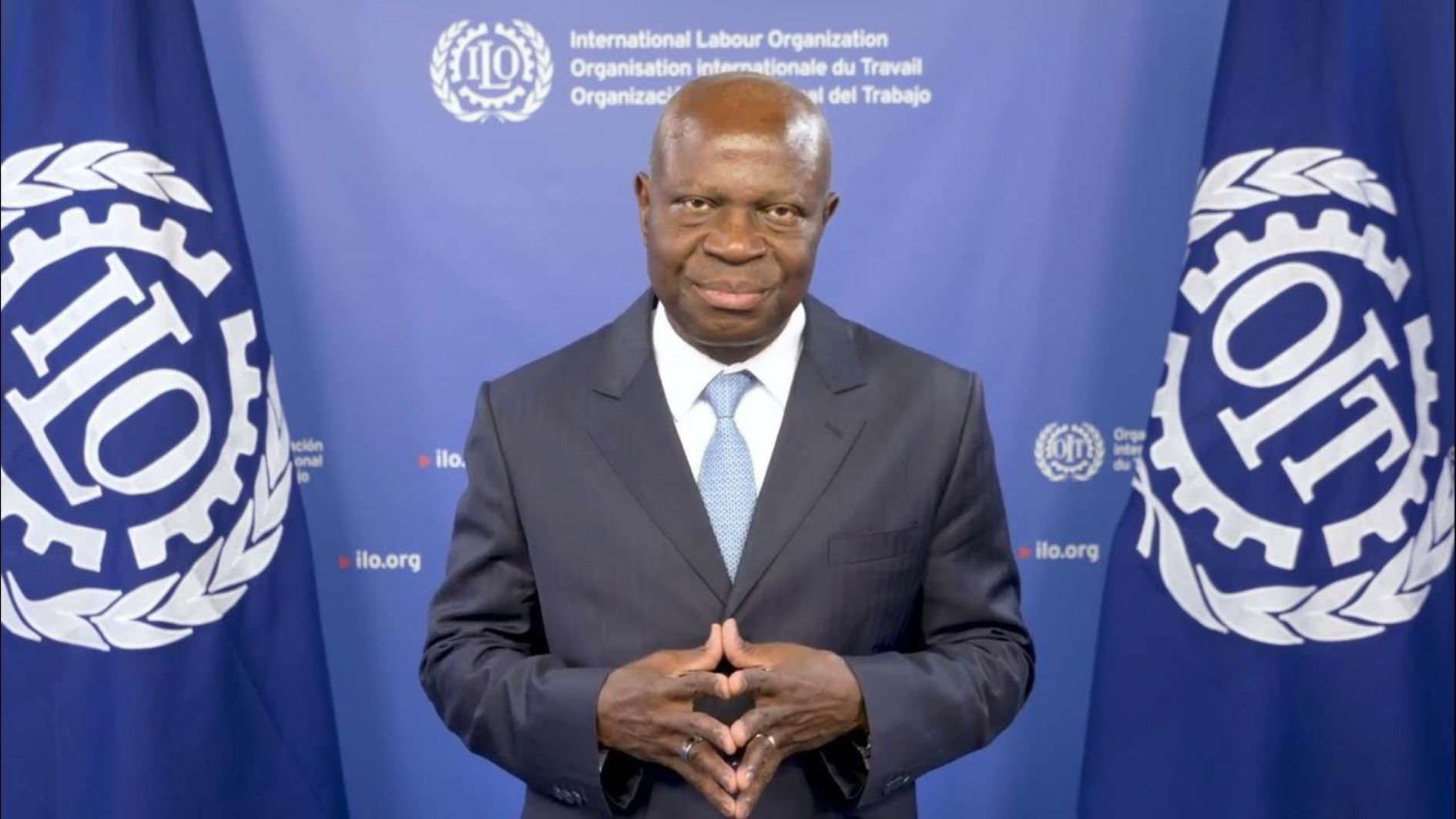
In his message to commemorate the day, the ILO Director-General, Gilbert Houngbo, stressed that care was essential to societies and economies, insisting that care workers deserved decent work, dignity and respect.
He observed that millions of care workers provide daily support for children, older persons and persons with disabilities but continue to endure excessive working hours and inadequate labour and social protection.
Domestic workers, he noted, constituted an important part of the care workforce.
Predominantly women, they earn less than half the average wages of other employees.
The ILO chief called for investment in comprehensive, rights-based care and support systems, stressing that care workers must be adequately protected and remunerated.
He also highlighted the need to recognise, reduce and redistribute unpaid care work, while ensuring reward and representation for care workers, in line with the ILO’s 5R framework for decent care work.
The framework identified recognition, reduction and redistribution of unpaid care work, alongside reward and representation for paid care workers, as essential pillars of a sustainable care economy.
For Nigeria, the message carries particular significance as the country grapples with the economic consequences of unpaid care responsibilities, which fall disproportionately on women, while its formal childcare and elderly-care industry remains largely underdeveloped.
The Federal Government has estimated that unpaid care work costs the Nigerian economy as much as $111 billion yearly, underscoring the enormous economic value of activities that largely take place outside conventional employment and productivity measurements.
The Minister of Women Affairs and Social Development, Imaan Sulaiman-Ibrahim, recently said the government is moving to formalise the country’s care economy through a National Care Policy and Implementation Plan approved by the Federal Executive Council.
The plan includes the proposed establishment of a National Care Fund and the development of a National Care Digital Platform through a public-private partnership.
Speaking at a forum recently in Lagos, the minister said the policy would introduce standards for childcare and elderly-care services, establish an organised framework for service delivery and open investment opportunities for businesses, financial institutions and technology companies.
She described the initiative as an effort to move care responsibilities, which are largely performed by women without payment or formal recognition, into the formal economy.
The government’s initiative signals growing recognition that care work is not merely a private family responsibility but an important component of national economic infrastructure.
Indeed, the ability of millions of Nigerians, particularly women, to participate fully in paid employment, entrepreneurship, and other productive activities often depends on whether reliable care arrangements are available for their dependants.
When affordable childcare and elderly-care services are unavailable, working women often have to reduce their working hours, turn down job opportunities, or leave the labour market altogether to attend to family responsibilities.
The economic consequences extend beyond individual households to businesses and national productivity.
Globally, the care economy is increasingly being recognised as a major source of employment, investment and economic growth.
The ILO has consistently highlighted the potential of care services to generate millions of jobs, particularly for women, while addressing growing demand for childcare, healthcare, elderly care and support services.
Its projections indicate that the number of care recipients could reach 2.3 billion by 2030, driven partly by increases in the population of older persons and children.
The global care workforce comprises approximately 381 million workers, including 249 million women and 132 million men, illustrating the scale of employment the sector already supports.
However, unpaid care responsibilities remained highly unequal. According to the ILO, women perform 76.2 per cent of total unpaid care work globally, spending 3.2 times more time on such responsibilities than men.
This imbalance affects women’s economic participation, career progression, earnings, and financial independence.
The ILO has also identified care services as an important source of future employment, with the potential to create approximately 300 million additional jobs globally.
But the organisation has warned that expanding the sector without improving care workers’ conditions could deepen existing inequalities.
Maternity Protection and Work-Family Specialist at the ILO’s Gender, Equality, Diversity and Inclusion Department, Laura Addati, previously highlighted the poor conditions many care workers operate under.
She noted that care jobs were frequently characterised by low wages, heavy physical and emotional demands, excessive workloads, insecure employment, inadequate training and limited career prospects.
In some extreme cases, she said, workers operated under conditions approaching slavery.
Her observations highlighted a challenge that Nigeria must confront as it begins to build a formal care industry.
Although Nigeria’s care sector is gradually attracting entrepreneurs, professional service providers and investors, the industry remains largely fragmented, with limited national regulation and inconsistent professional standards.
Across major cities, the growing demand for nannies, home-based caregivers, elderly-care assistants and specialised support services has encouraged the emergence of caregiving agencies and training institutions.
However, the absence of a comprehensive regulatory framework has raised concerns about professionalism, workers’ welfare, service quality and the safety of care recipients.
For families engaging caregivers, the issue goes beyond finding someone to look after their children or elderly relatives. It involves entrusting the safety, health, and dignity of vulnerable people to individuals who must have the necessary skills, training, and professional ethics.
The Chief Executive Officer of Arrowshot Care Solutions, Dapo Olugbodi, said the growing demand for childcare and elderly-care services presented significant opportunities for Nigeria, but stressed that professionalism must become the foundation of the industry.
He called for adherence to established standards, adequate training and exposure of care providers to international best practices.
He also urged the government to establish a proper structural and regulatory framework to prevent unprofessional practices and the infiltration of unqualified operators into the industry.
The founder of BLE Caregivers Agency, Admisher Mimo, similarly highlighted the difficulties operators and workers in the industry face.
He said that although caregiving could be fulfilling, the occupation was stressful, particularly because some clients failed to treat caregivers with dignity and respect.
Mimo said the industry needed a national policy that could provide institutional support, regulate service providers, and improve working conditions.
However, he maintained that a broader national framework was necessary to ensure consistent standards across the country.
Founder of Nanny Academy, Amara Agbim, said the importance of care work extends beyond families’ immediate needs to the functioning of the entire economy.
She argued that without adequate care infrastructure, including daycare facilities and properly trained nannies and other domestic care professionals, many people would struggle to balance employment with family responsibilities.
Similarly, OneHealth founder Adeola Alli described caregivers as an often-invisible workforce whose contributions sustain families and enable economic participation.
She argued that when women have adequate support at home, they are better positioned to pursue employment, business opportunities and other productive activities.
These perspectives reinforced the argument that investment in care services should be considered an economic priority rather than solely a social welfare intervention.
Beyond investment in workers’ protection, the Federal Government’s plan to establish a National Care Fund and a digital platform represents an important policy development; labour protection and professional standards will determine whether the emerging industry delivers sustainable benefits.
The proposed digital platform could help organise care services, connect providers with households and improve access to professional caregivers. The National Care Fund could also provide a financing mechanism to develop care infrastructure and support the industry’s growth.