
 Get Guardian on Google
Project 17m jobs, $9.3b GDP boost
Expanding Nigeria’s care economy could generate between 9.4 million and 17 million jobs and contribute at least $9.3 billion to the country’s Gross Domestic Product (GDP), the Minister of Women Affairs and Social Development, Imaan Sulaiman-Ibrahim, has said.
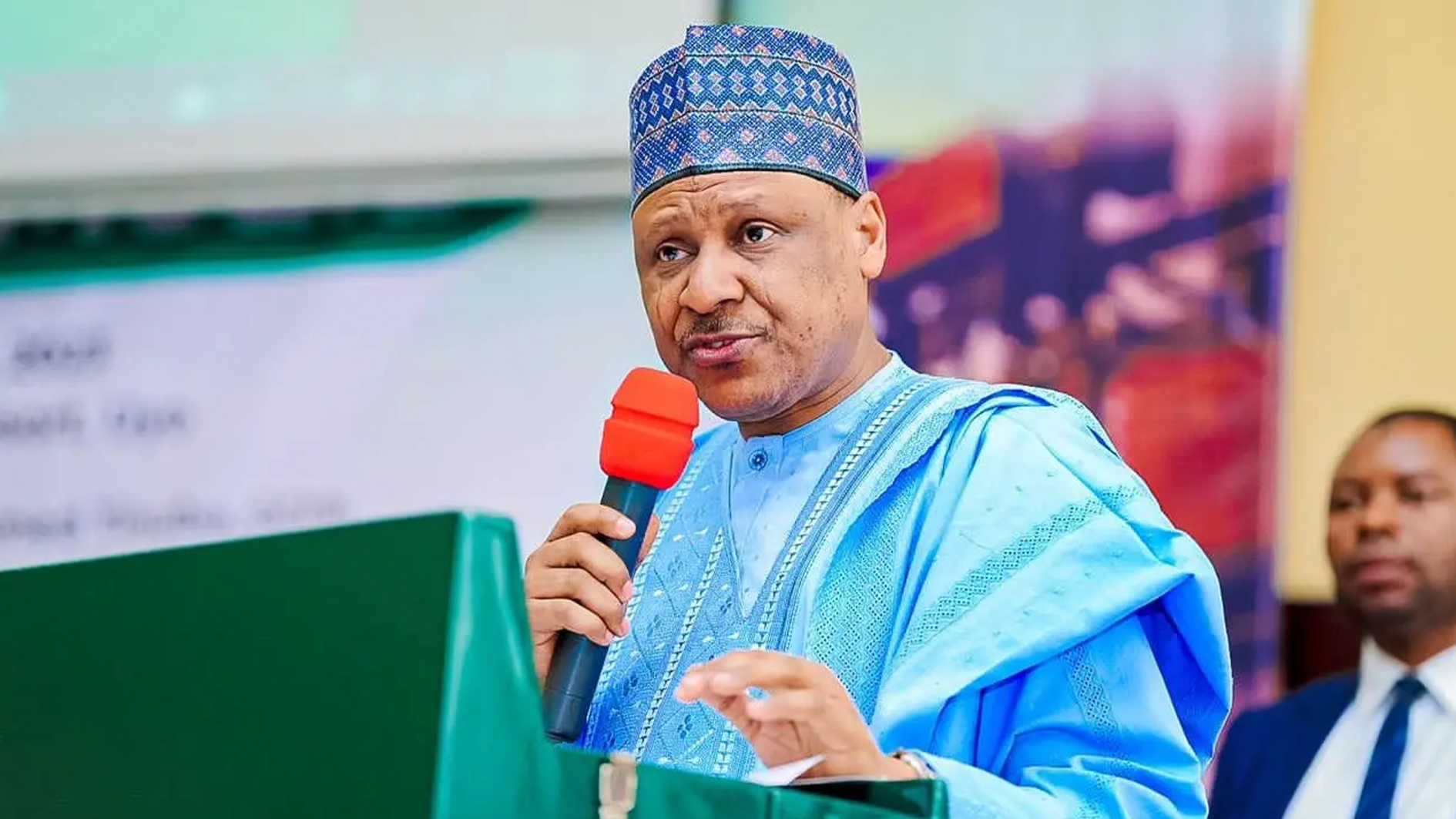
Speaking at the National Care Forum, with the theme, “Advancing Nigeria’s Care Economy: Jobs, Growth and Productivity,” organised in collaboration with the World Bank Group and the International Finance Corporation (IFC), the minister said the care economy offers significant opportunities for job creation, women’s economic empowerment and national productivity.
Sulaiman-Ibrahim, who was represented by the Director, Child Development Department, Federal Ministry of Women Affairs and Social Development, Andrew Madugu, said the projections were contained in UN Women’s 2026 West and Central African Care Economy Modelling, which estimated that closing Nigeria’s unpaid care gaps and expanding universal childcare could contribute no less than $9.3 billion to GDP.
According to her, women could account for between 57 and 67 per cent of the employment opportunities that would emerge from the expansion of the sector, while the modelling also estimated that every dollar invested in quality childcare could generate a return of about $3.
She cited the UN Women’s 2026 Nigerian Care Snapshot, which drew on National Bureau of Statistics labour data, as showing that caregiving responsibilities accounted for 20.16 per cent of women’s withdrawal from the labour force, compared with 0.6 per cent for men.
Also, 50.4 per cent of Nigerian women entrepreneurs identified unpaid care responsibilities as a major constraint to expanding their businesses, while only five per cent of children aged between zero and two had access to formal childcare, she added.
According to her, the federal government had taken steps to establish an organised, productive and investable care sector through policy reforms, institutional coordination, infrastructure development, workforce professionalisation and sustainable financing.
Meanwhile, she noted that the ongoing review of the National Gender Policy 2020-2026 was also important to addressing structural discrimination, unequal power relations and cultural practices that have continued to limit women’s access to education, employment, entrepreneurship and leadership opportunities.
According to her, the unequal distribution of unpaid care responsibilities remains both a consequence and a driver of gender inequality.
Therefore, she called on development partners, the private sector and civil society organisations, among others, to support the review and implementation of policies aimed at reducing the burden of unpaid care work.
She added that the federal government was engaging the 36 states and the Federal Capital Territory to promote policy partnerships and investment in community-based childcare centres, elderly care facilities and disability support services.
Also speaking, Senior Economist, Gender Innovation Lab, World Bank Group, Ayodele Fashogbon, noted that the unequal distribution of childcare responsibilities has continued to limit women’s economic participation.
Presenting “The Case for Care in Nigeria,” he said Nigerian women spent an average of 76 minutes daily on childcare, compared with 13 minutes for men.
Earlier, the Head of Office, Nigeria, International Finance Corporation, World Bank Group, Christian Mulamula, said investment in the care economy would help improve women’s participation in the workforce, strengthen businesses and support children’s development.
He added that care should be recognised as economic infrastructure because it influences whether women can take up employment opportunities, how businesses retain skilled workers and how Nigeria develops the human capital required for future growth.