 Follow Us on Google News


 Follow Us on Google Discover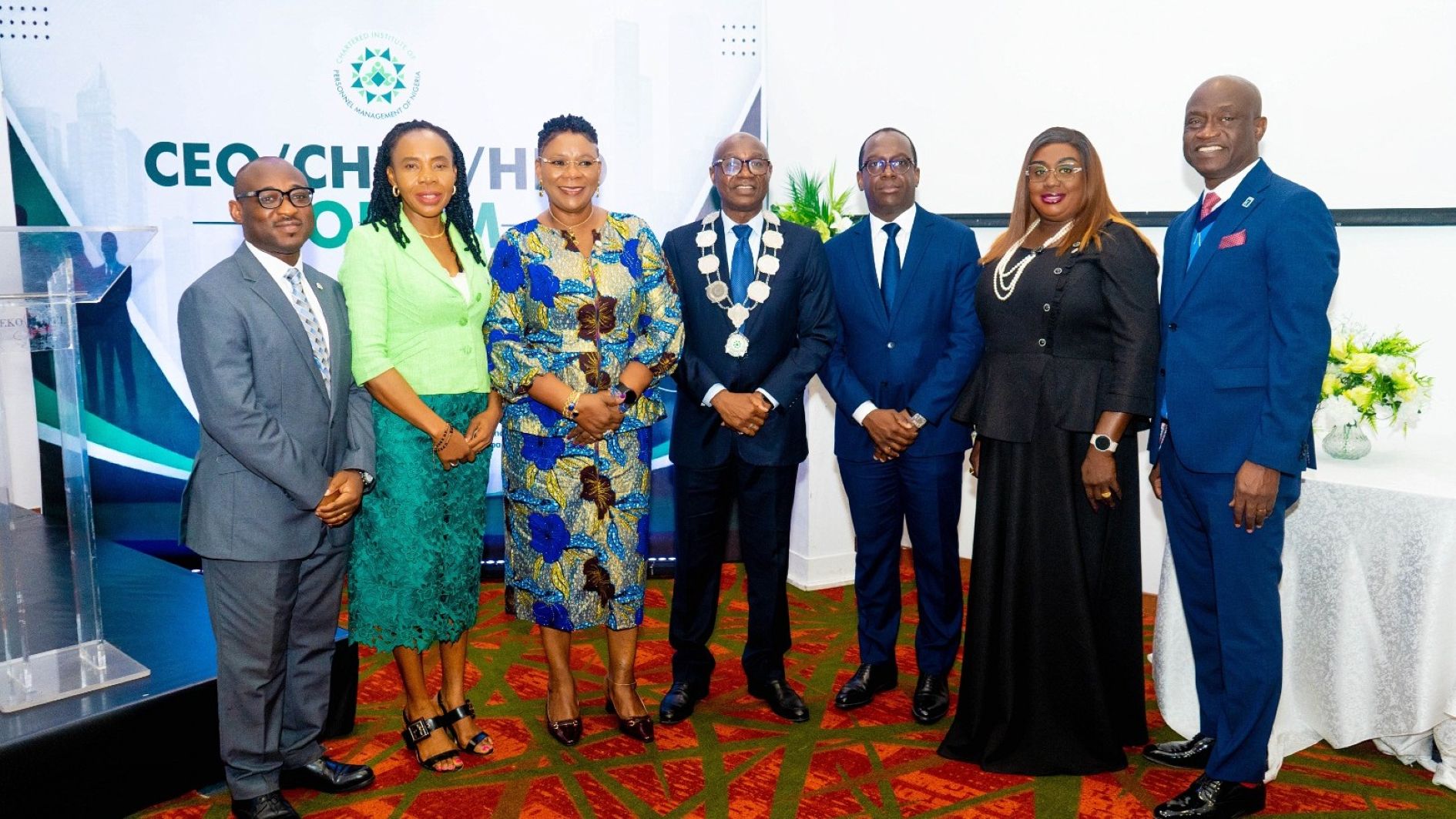
The Chartered Institute of Personnel Management of Nigeria (CIPM) has urged organisational leaders to move diversity and inclusion beyond policy statements and embed them as measurable drivers of innovation, productivity and sustainable business growth.
The institute made the call at its 2026 CEO/CHRO/HRD Forum, with the theme ‘Refocusing Diversity and Inclusion in the Organisation: The CEO and HR’s Perspectives,’ which brought together chief executives, chief human resource officers and other senior business leaders to examine the role of leadership in building inclusive and high-performing organisations.
Speaking at the forum, President and Chairman of the Governing Council of CIPM, Ahmed Gobir, said organisational transformation begins with leadership decisions, stressing that innovation, diversity and inclusion cannot thrive without the commitment of those at the helm of organisations.
He noted that meaningful organisational change starts at the leadership table, adding that leaders must model the behaviours and culture they seek to promote.
Gobir said organisations with diverse leadership teams consistently make better decisions, drive innovation and achieve stronger business outcomes because diversity brings different perspectives and experiences to problem-solving.
He, however, maintained that diversity and inclusion should never come at the expense of competence, insisting that merit must remain the foundation of inclusive workplaces.

“Organisations become stronger, more innovative and more sustainable when diversity and excellence work together,” he said.
Delivering the goodwill message of Lagos State Governor Babajide Sanwo-Olu, the Permanent Secretary, Public Service Office, Sunkanmi Oyegbola, urged organisations to assess diversity and inclusion based on measurable outcomes rather than the existence of policies or committees.
According to her, businesses that intentionally expand opportunities and eliminate barriers consistently outperform those that do not.
In his keynote address, the Managing Director of FrieslandCampina WAMCO Nigeria Plc, Roger Adou, described diversity and inclusion as a business imperative that clear policies, accountability and leadership commitment must back.
He said organisations should move beyond representation to ensure that diverse voices have real influence on decision-making, noting that inclusive teams deliver stronger innovation and better business results because they leverage different perspectives.
Adou explained how his organisation deliberately promotes gender balance, regional representation and psychological safety, enabling employees to contribute freely and helping the organisation make informed business decisions across Nigeria’s diverse markets.
Also speaking, the Director-General of the Administrative Staff College of Nigeria (ASCON), Dr Funke Adepoju, challenged organisations to shift their focus from representation to genuine inclusion and belonging.
She argued that inclusion should be embedded in organisational culture and performance measurement systems rather than treated as a symbolic initiative.
Adepoju maintained that merit and inclusion are complementary objectives, urging organisations to “widen the gate and raise the floor” by investing in talent development and creating opportunities for more people to excel.
The forum also highlighted the strategic partnership between chief executives and HR leaders in shaping organisational culture, developing talent and building future-ready workplaces.

