
 Get Guardian on Google
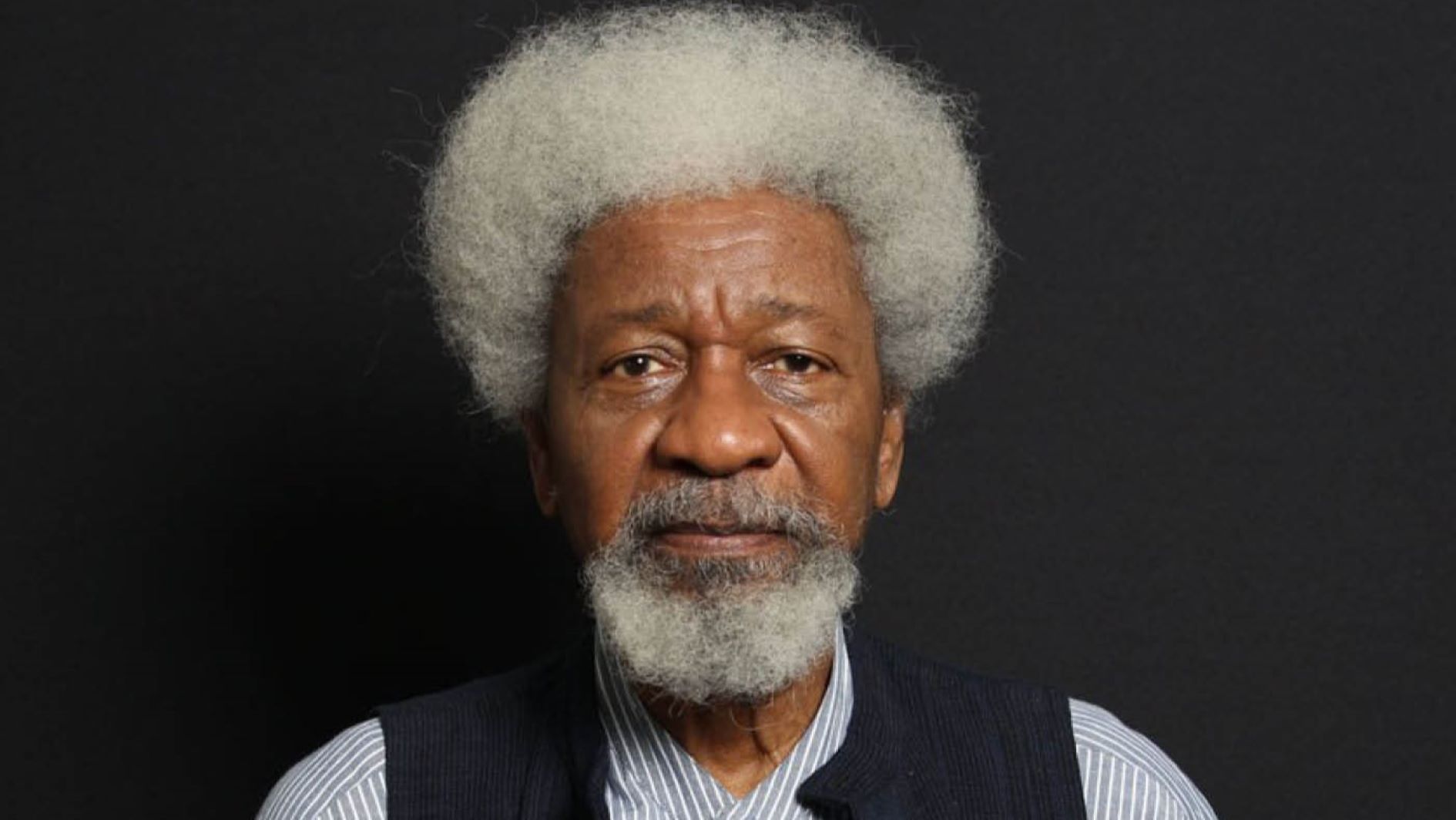
Commemorating the 40th anniversary of Nobel laureate Wole Soyinka’s Nobel Prize in Literature, archivist Oludamola Adebowale is exhibiting Ake to Stockholm, a multi-faceted showing which features an archival exhibition, documentary film, illustrated comic book and artistic presentations exploring Soyinka’s literary journey and the significance of his historic achievement.
The flagship exhibition, which kicked off on the 16th and will run till November 29, 2026, at Kongi’s Harvest Gallery, Freedom Park, Lagos, forms part of the 27th Lagos Book and Art Festival (LABAF), in partnership with the Committee for Relevant Art (CORA).
Speaking with The Guardian, Adebowale said the initiative goes beyond celebrating Soyinka’s Nobel Prize to examining the experiences, intellectual influences and struggles that shaped his journey to international recognition.
In 1986, Soyinka became the first African writer to receive the Nobel Prize in Literature, marking a historic moment for African literature on the global stage.
According to the curator, the theme traces the journey from Ake, Abeokuta, where Soyinka spent his formative years, to Stockholm, Sweden, where he received the prestigious award. He said the project seeks to preserve the historical materials and ideas that illuminate Soyinka’s life and work while making them accessible to audiences across generations.
Launched in 2019, Timeless Memories: Elastic Effects of Wole Soyinka is an annual curatorial initiative that explores the writer’s life, literary contributions and intellectual legacy through archival research, exhibitions and public engagement.
“At the heart of this exhibition is the understanding that Stockholm was not the beginning of Soyinka’s story, but a moment of international recognition for an intellectual journey rooted in Ake, Abeokuta. His formative years, vividly documented in his autobiographical work Aké: The Years of Childhood, reveal a world shaped by Yoruba cultural traditions, religious plurality, colonial encounters and the social dynamics of a changing Nigerian society. These early experiences, alongside his subsequent education and literary engagements, contributed to the development of a distinctive creative imagination that would resonate across continents,” Adebowale said.
Through archival photographs, historical documents, newspaper clippings, literary materials and visual narratives, Adebowale said the exhibition reconstructs significant moments in the journey.
These materials he said, are presented not merely as historical artefacts, but as fragments of collective memory through which viewers can examine the relationship between individual achievement, cultural identity and national history.
He added that the exhibition encourages visitors to reflect on the relationship between literature, history and cultural memory, as well as the continuing relevance of Soyinka’s ideas on freedom, justice, political responsibility and human dignity.
“His 1986 Nobel Lecture, This Past Must Address Its Present, offers an especially compelling philosophical foundation for this exhibition, affirming the importance of historical memory in understanding contemporary realities. For me, as an archivist and public historian, this project represents a commitment to moving beyond episodic commemoration towards meaningful cultural preservation. It also underscores the importance of making our intellectual heritage accessible to younger generations through exhibitions, illustrated publications and documentary film. Ultimately, Ake to Stockholm is an invitation to remember, reflect and reconsider. It celebrates not simply the achievement of a Nobel Laureate, but the historical, cultural and intellectual journey behind it. It reminds us that the responsibility of preserving our heritage belongs to every generation,” he said.
A short documentary film showing simultaneously, also explore the Nobel milestone through archival materials and recorded testimony.
The exhibition also includes an illustrated comic book aimed at younger audiences, presenting Soyinka’s life and literary journey in a format designed to encourage greater engagement with Nigeria’s literary heritage.
Adebowale said the different storytelling formats were intended to make history accessible to new generations while preserving it.
“Forty years after Stockholm, we return to Ake not simply to revisit the past, but to understand an enduring legacy and its continuing relevance to the future. From memory to history. From history to knowledge. From knowledge to posterity,” he said.