 Follow Us on Google News



 Follow Us on Google Discover
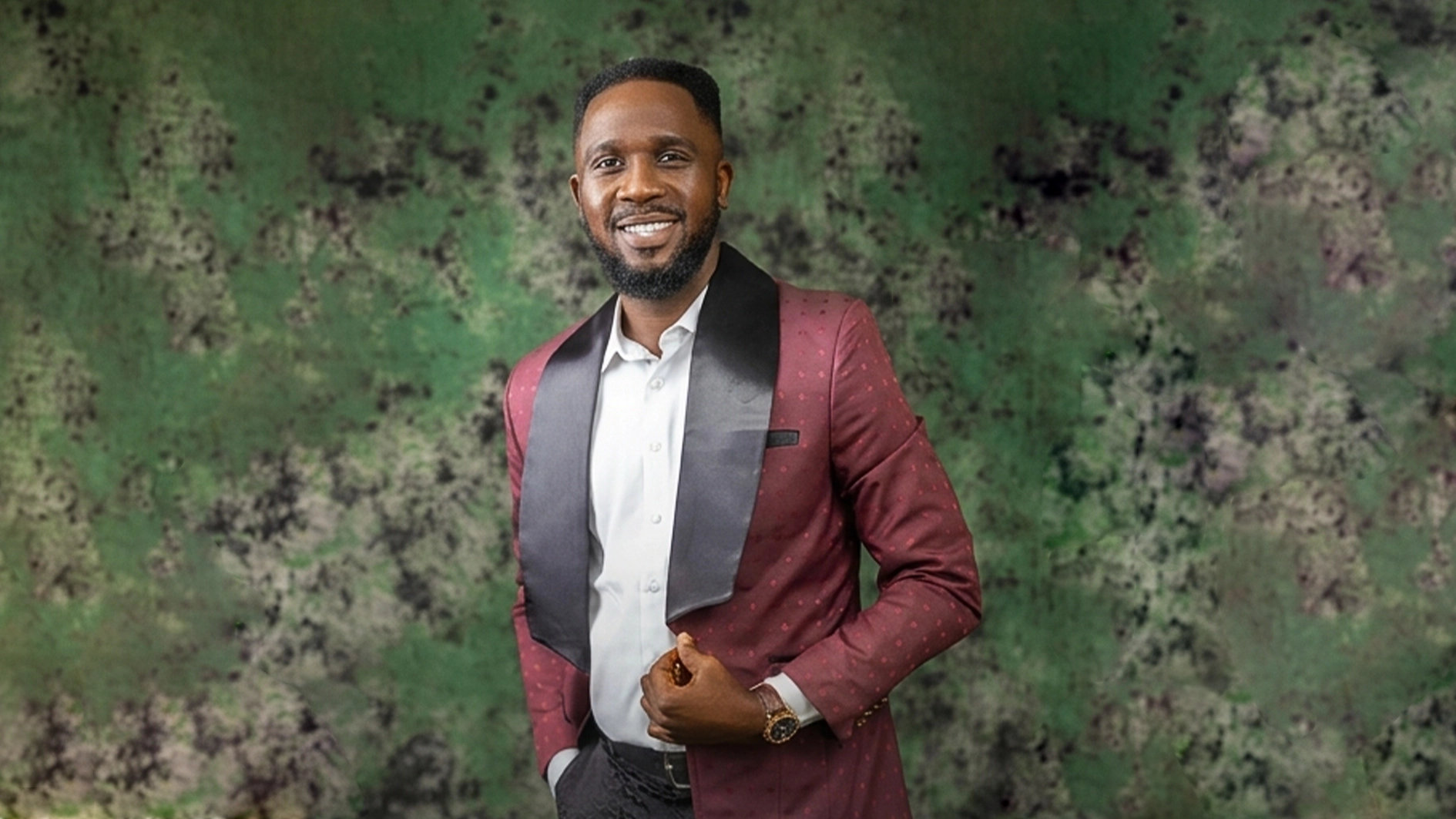
From Bimbo Ademoye’s My 30th Wedding to the popular romantic comedy The Wedding Party, Nigerian filmmakers have found ways to turn weddings into compelling stories. The drama, humour, family expectations and colourful celebrations surrounding these occasions are familiar to many Nigerians, whether they experience them on screen or at real-life ceremonies.
Weddings occupy a special place in Nigerian culture. Beyond the union of two people, they bring families together, celebrate traditions and create memories that often last a lifetime. From elaborate introduction ceremonies to receptions where guests dance, laugh and celebrate, every part of the occasion has its own significance.
The business behind these celebrations is substantial. Deep Market Insights estimated Nigeria’s broader events industry at $10.67 billion in 2025 and projected that it could reach $27.5 billion by 2034, representing an estimated annual growth rate of 11.13 per cent. These figures cover the wider events industry, including corporate events and concerts, rather than weddings alone. Nevertheless, they illustrate the scale of the commercial activity surrounding organised celebrations and entertainment.
Behind the music, decorations and carefully planned programmes is someone expected to keep the excitement going, hold guests’ attention and ensure the celebration does not lose its rhythm: the master of ceremonies.
For MC Dammy, who says he has hosted more than 500 weddings since beginning his professional career in 2014, the role has become the foundation of a career that now extends into cultural entertainment production.
His interest in wedding entertainment began during his university years at Bowen University. One experience that stayed with him was travelling to Abuja in his final year to host a wedding alongside a colleague, MC Jerry.

The glamour of the occasion, the atmosphere and the bride’s happiness made a lasting impression on him. During his National Youth Service Corps year in Lagos, fellow corps members began inviting him to host their weddings. Those early engagements generated referrals, and he gradually became more intentional about building a career in wedding emceeing.
For Dammy, the responsibility of an MC goes beyond keeping guests entertained. “A wedding is more than a party; it is a significant day in the lives of two people, and the MC has a responsibility to help create an experience that reflects that,” he says.
That responsibility can be particularly demanding at Nigerian weddings, where traditional rites, family expectations, formal proceedings and entertainment may all feature in the same celebration. The MC must understand the occasion while keeping guests engaged and the programme moving.
The demands of professional hosting have also attracted attention from other practitioners.
In a September 2026 interview with The Guardian, compere Joyce Daniel, popularly known as Queen of Talks, explained that an MC does more than fill silences between speakers. She described the role as one that involves managing transitions, keeping the programme moving and shaping the atmosphere throughout an event.
Her observations underline an aspect of event hosting that guests may not always notice: the work involved in maintaining the flow of a celebration.
Similarly, Lagos-based MC Ayo Egberongbe, popularly known as Ayomiic, discussed the changing expectations of professional hosts in a July 2026 report by The Nation. He noted that clients increasingly expect MCs to coordinate programmes, engage audiences and ensure smooth transitions throughout an event.
These perspectives provide a wider context for understanding Dammy’s approach to wedding emceeing.
Since beginning his professional career in 2014, he says he has hosted over 500 weddings, building his experience through referrals, client relationships and collaborations with other event professionals. He marked a decade in the industry in 2024.
“Every couple, family and celebration is different,” he says, pointing to preparation, emotional intelligence, cultural awareness, time management and collaboration as essential parts of the job.
The performance guests see is only one part of the work. An MC must also understand the programme, coordinate with other vendors and respond to unexpected developments without losing the audience’s attention.
For Dammy, the microphone has also opened the door to other forms of entertainment.
In 2024, he marked his ten-year career milestone with an Owambe concert at Terra Kulture in Lagos. The production represented a move from hosting celebrations organised by others to conceptualising and producing a cultural entertainment experience of his own.
He followed it in 2025 with MC Dammy Live Owambe 2.0: Faaji Repete, held at NECA House in Alausa, Lagos. The programme brought together live music, comedy, fashion and cultural entertainment.
The productions reflect his interest in the cultural elements that make Nigerian celebrations distinctive. Owambe gatherings are familiar across generations, particularly within Yoruba social life, but bringing their music, fashion, humour and communal atmosphere into a dedicated entertainment production requires a different approach from hosting a wedding reception.
“The event represented an important step in my transition from hosting other people’s events to conceptualising and producing a cultural entertainment experience of my own,” he says of the first concert.
His ambition is to encourage audiences to see these celebrations as more than occasions for socialising.
“I want Yoruba celebrations to be appreciated not only as social gatherings, but also as expressions of identity, community, creativity and cultural heritage,” he says.
The second edition reportedly received support and participation from the Lagos State Ministry of Tourism, Arts and Culture. The nature of that involvement should be confirmed through official records or independent reporting before publication.
The concerts represent an important development in Dammy’s career because they demonstrate an interest in creating entertainment rather than solely presenting it. They also provide an opportunity to explore how familiar cultural traditions can be adapted into organised live productions while retaining their identity.
Dammy’s work also includes Elites Live Band, extending his activities into live music and providing another avenue for combining performance with celebrations and cultural programming.
These activities involve responsibilities beyond the stage. Producing an event requires planning, assembling the right people, managing resources and ensuring that different elements work together.
MC Dammy believes that understanding the business side of entertainment is essential to sustaining a creative career.
“Talent alone is not enough to sustain a career in entertainment. Relationships, consistency, financial discipline, collaboration and the ability to deliver professionally are equally important,” he says.
He also emphasises the importance of teamwork. The MC may be the most visible person at a reception, but the experience depends on the planner, venue, musicians, decorators, caterers and other vendors working together.
His stated membership of the Association of Professional Party Organizers and Event Managers of Nigeria (APPOEMN) and the Association of Event Vendors Nigeria (ASSEV Nigeria) connects him to professional communities within the events industry. His membership status and any relevant roles held in these organisations should be confirmed before publication.
For a profession often judged by what happens on stage, these operational considerations reveal another dimension of the work. Preparation, relationships and coordination can determine whether an event runs smoothly, even when guests never see the effort involved.
The expectations placed on Nigerian wedding emcees create room for different creative approaches. A host must entertain, but must also understand the occasion, respect its cultural context and work with the people responsible for delivering it.
MC Dammy’s career brings several of these responsibilities together. His experience across hundreds of weddings forms the foundation of his work, while his Owambe concerts demonstrate his interest in producing cultural entertainment beyond individual celebrations.
The two activities require related but distinct skills. Hosting calls for the ability to engage an audience in real time. Producing a concert requires a broader creative vision, coordination among performers and vendors, and the organisation needed to bring an idea to life.
For the gifted MC, both are part of a career developed through years of working with couples, families and event professionals.
As Nigerian weddings continue to evolve, the person behind the microphone may increasingly be judged not simply by the ability to keep a party going, but by the creativity, preparation and understanding brought to the occasion

