 Get Guardian on Google
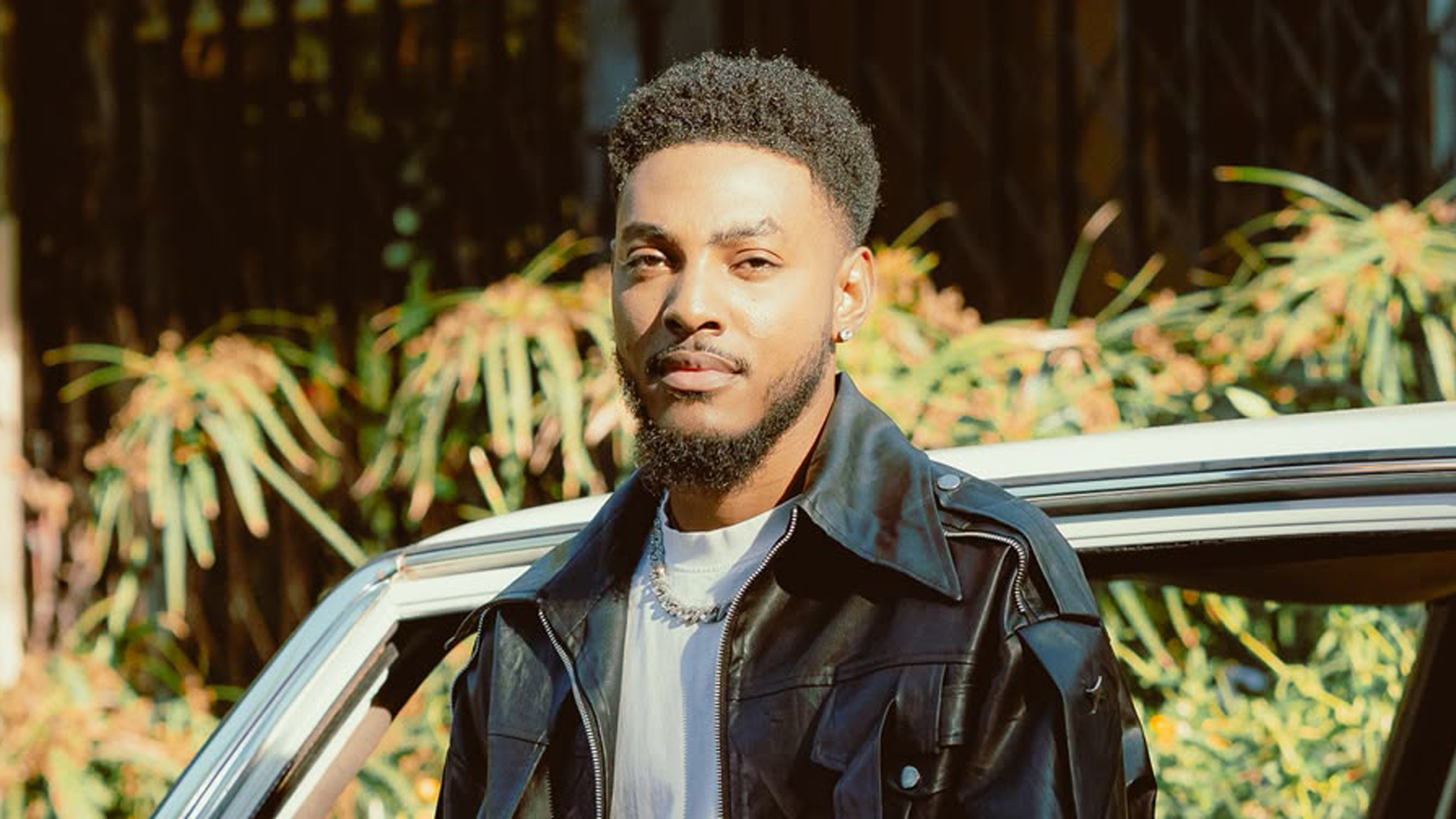
For Haitian-Congolese singer, songwriter and producer Paska, born Pascalin Smith, music has always been a bridge between cultures. Born in Port-au-Prince, Haiti, and raised in the country’s south, the musician grew up surrounded by the sounds of Haitian Kompa, a genre whose infectious rhythms have travelled far beyond the Caribbean. Now based in Florida, Paska is finding new audiences for the sound across East Africa, where his collaborations with Kenyan musicians are opening up new possibilities for cultural exchange.
His latest single, No More Drama, featuring Kenyan singer Njerae, is another step in that journey. Following an earlier collaboration with Kenya’s Kadon Clan, Paska is increasingly interested in the musical connections between Africa and the Caribbean, drawing on his own Congolese heritage to explore their shared histories. In this conversation, he discusses his musical beginnings, his relationship with Haiti, the growing popularity of Kompa in East Africa and his ambitions to take the genre to a global audience.
You’ve been spending quite some time in Kenya recently. What has been keeping you busy?
We just released a new single with a Kenyan artist called Njerae, and we’ve been shooting content, doing interviews, TV and radio appearances. It’s been really busy. We’re just trying to maximise our presence here and make things happen.
You were born in Haiti but have Congolese roots. Tell us about your background and how you became a musician.
My name is Pascalin Smith. I was born in Port-au-Prince, Haiti, but I grew up mostly in the south of Haiti. My mother is Congolese, from Kinshasa, and my father is Haitian.
I started making music when I was 11 years old. I’m a singer, songwriter, producer and dancer. Growing up, there was always music around the house. My cousin played the guitar, and he was the one who taught me how to play. He also bought me my first piano, which I started learning by myself.
Eventually, some friends and I formed a group called P Boys. We were doing mostly hip-hop, rap and R&B. I was the only person singing and producing for the group. We continued until we graduated from high school.
After that, I moved back to Port-au-Prince for college, where I studied business. During my second year, I met Christian Serena, the founder of my record label, and we started working professionally.

In 2018, we released my first single, Bina Boi, Bin Abue, which introduced me to audiences across Haiti and beyond. Since then, we’ve continued working. I’ve been making music professionally for about eight years now.
What inspired your decision to explore the East African music scene, particularly Kenya?
The introduction came through my label and a company called Kitel Marche, which organises events in Kenya. They organise Kompa nights and had a festival called Kompa Watamu last year. They invited me as the first Haitian artist to perform there.
That was how I started connecting with people in Kenya. I discovered that Kompa was becoming increasingly popular in the Kenyan music scene. I was introduced to the Kadon Clan, and we recorded a song together called Your Body, which was released this year.
Since then, I’ve been travelling back and forth, performing and collaborating with different artists.
There’s a Kompa wave happening in East Africa right now, especially in Kenya and Tanzania. Many artists are beginning to incorporate elements of the genre into their music.
Even though we’re separated by the sea, we’re united through rhythm and music. Kompa comes from Haiti, so it makes sense for us to build those bridges with African musicians who are embracing the sound.
Your latest single, No More Drama, features Kenyan singer Njerae. How did that collaboration happen?
I first came to Nairobi in November last year. During that visit, I was introduced to the Kadon Clan and some of its individual members, including Okello Max.
He had a song called Taya, which was doing really well in Kenya and beyond. When I heard it, I immediately recognised the Kompa influence.
I also heard songs like Bien and Alikiba’s Finale, which had strong Kompa elements. I realised that people were genuinely appreciating the genre. There were even weekly Kompa classes.
I asked my contacts to introduce me to more artists because I wanted to collaborate with musicians in the country. Njerae was one of the artists they introduced me to.
When I started listening to her music, I connected with her voice and the way she incorporates R&B into her singing. My team contacted her team, and we started communicating.
I sent her a couple of demos, and No More Drama was the one she connected with.
We started developing the song remotely. I was in Miami, and she was in Kenya. We worked on our verses, exchanged ideas and continued until we were both satisfied.
But it was important for me to come to Kenya, meet her personally and shoot the music video here.
When we finally met, the chemistry was amazing. She’s such a sweetheart and a very talented artist.
We brought in a good friend of mine, Crystal, who has directed some of my previous music videos. We already had a good working relationship, so I wanted him to direct this one.
The shoot went really well. Afterward, we organised an exclusive viewing party with influencers, artists, executives and other industry people.
We’ve also launched a dance challenge and have been creating more content around the release. So far, the response has been great.
Haiti has experienced considerable political instability over the years. How has that affected your relationship with your home country and your music?
Regardless of the political issues, Haiti remains home. It’s where everything started for me, especially my musical journey.
I was greatly influenced by the Haitian music industry. Growing up, I listened to groups like Carimi, T-Vice and Tabou Combo. These were artists who took Kompa to the international stage and helped introduce the genre to audiences around the world.
My environment, the people and the culture all influenced me.
Music is a very important part of everyday life in Haiti. Sometimes, music is the only thing that allows people to forget their problems for a moment. It gives us an opportunity to have fun, cry and express our feelings.
I feel deeply connected to my community, and I want to take our music even further than the generations before us.
Haiti might be going through an unstable period right now, but I believe things will change. Even if it doesn’t happen in the next five years, I believe the next generation will have the opportunity to rebuild the country.
Haiti was once one of the most flourishing countries in the Caribbean, and I believe we can get back to that place.
Beyond East Africa, are you interested in collaborating with musicians from other parts of the continent?
Of course. I would love to work with Congolese artists, Nigerian artists, South African artists and musicians from across the continent.
For me, there’s a very personal connection because my mother and grandmother are Congolese. I have a direct connection to Africa through my family.
But I also believe that people in the Caribbean have historical connections to Africa, and music is one of the ways we can strengthen those relationships.
Collaborations allow people to discover new cultures, sounds, food and perspectives. They help us build bridges between different parts of the world.
I want Kompa to continue evolving until it reaches the global mainstream.
When you look at how Afrobeats has grown internationally over the past five or ten years, I believe Kompa has the potential to experience something similar.
I genuinely think Kompa could become one of the next genres to make a major impact on the global music scene.
When you’re not making music, what does your everyday life look like?
I’m a homebody, man. When I’m not making music, I’m usually at home.
I like going to the gym, watching movies and series, cooking occasionally and playing video games.
I’m a big gamer.
I also enjoy spending time with my people or just being by myself. I like travelling too.
Even when I’m not actively making music, I’m never completely disconnected from it. I’m always listening to something or getting inspiration.
Whenever an idea comes to me, I try to record it on my phone through voice notes so I don’t forget it.
But if I’m not in the studio, writing, producing or performing, you’ll probably find me at home on the sofa, watching something or gaming.
Finally, what is the bigger vision for Paska? What are you hoping to achieve with your music?
The vision is to create an impact.
For me, music doesn’t belong in one particular box. I love mixing different flavours and genres to create something new.
We want to take our culture around the world, and Africa is an essential part of that vision.
I want more people from Haiti and the Caribbean to have direct connections with Africa because that’s where our roots are.
We might have differences, but there are so many similarities in our cultures, food, music and rhythms.
I want to contribute to reconnecting those parts of the world through music and taking our rhythms to the international stage.
Many artists before us have already done incredible work, and it’s our responsibility to continue building on what they started.
Hopefully, we can inspire the next generation of musicians to take things even further.
Ultimately, I want to take Kompa to the world.