 Follow Us on Google News


 Follow Us on Google Discover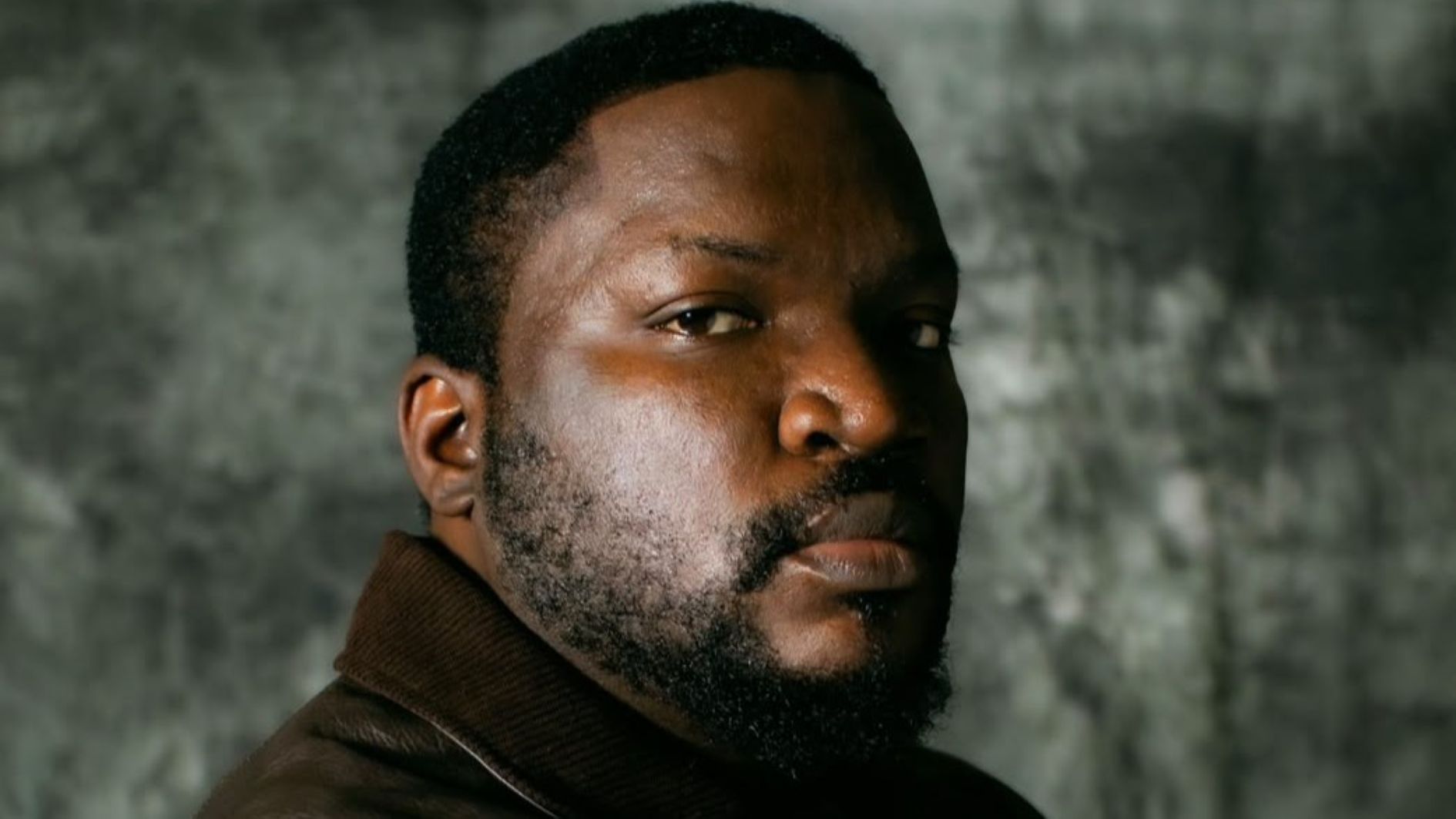
Lagos-born producer Sparrq is part of a new generation of beatmakers rethinking what it means for a sound to stand out in today’s crowded Afrobeats landscape.
For him, the strength of a beat is not necessarily in how much it contains, but in knowing what to leave out.
“The perfect beat doesn’t fight the artist,” Sparrq says. “It creates space, carries emotion, and still stands strong on its own. It feels effortless but intentional.”
It is a philosophy that has quietly shaped the producer’s work with some of Nigeria’s prominent artistes, including Davido, Ayra Starr, Kizz Daniel and Magixx.
Among his notable credits is Ayra Starr’s “Rhythm & Blues”, a song released in 2023 and later included on her second studio album, The Year I Turned 21. Sparrq is officially credited as the producer on the record. (Universal Music Canada)
The song, with its warm, romantic mood and relatively uncluttered production, offers a useful window into the producer’s approach. Rather than overwhelming Ayra Starr’s vocals, the instrumental provides a foundation on which her melodies and personality can sit comfortably. That balance is central to Sparrq’s understanding of production.

“My production style is very intentional and emotional,” he says. “I focus on texture, space and mood. I like instrumentals that feel unique, cinematic and timeless rather than trendy.”
For a producer working in an Afrobeats ecosystem where sounds can become outdated almost as quickly as they become popular, the emphasis on timelessness is deliberate.
Sparrq is less interested in chasing whatever sound dominates the charts at a particular moment than in developing a sonic identity that can survive beyond a season.
His most popular production, he says, is “Rhythm & Blues”, but popularity is not necessarily his primary measure of a successful beat.
He describes his best work as “melodic but minimal beats that artists can really live inside”, often combining different elements with strong drum pockets and atmospheric layers.
That approach can be traced back to his early relationship with music.
Sparrq began playing the keyboard at about 12. What started as an interest in music eventually developed into a desire to create something of his own.
“I started making music out of curiosity and a desire to create something of my own,” he says.
Over time, experimentation gave way to something more personal. “It became less about experimenting and more about expressing identity and growth,” he says.
That evolution is important to Sparrq because he does not see production simply as assembling sounds. For him, a beat is also a form of communication, sometimes communicating emotions that cannot easily be expressed in conversation.
His inspiration, he says, comes from “life”, particularly emotions, transitions, quiet moments, pressure and ambition.
“Sometimes it’s a feeling I can’t put into words,” he says.
It is perhaps why he pays as much attention to silence and space as he does to sound.
His influences are not restricted to particular producers either. Sparrq says he is drawn to producers who understand restraint and recognise that adding another sound is not always the answer.
“I pay attention to people who know when not to add more, producers who understand space as part of the music,” he says.
That philosophy is particularly relevant at a time when music production technology has become accessible to almost anyone with a computer, phone or digital audio workstation.
Sparrq considers the democratisation of production a positive development because it has lowered the barriers to entry and created room for more musicians to experiment. But accessibility has also created saturation.
His answer to that challenge is not to complain about the competition, but to return to the fundamentals: skill, taste and discipline.
“Tools don’t replace intention or experience,” he says.
For Sparrq, technology can provide the equipment, but it cannot decide what a song needs.
That distinction could become increasingly important as artificial intelligence and increasingly sophisticated production software continue to reshape the creative process. In a crowded digital environment, the producer’s value may lie less in knowing how to operate a tool and more in knowing what to do with it. Sparrq appears conscious of that shift.
His next phase, he says, will involve new music and collaborations, but his ambition extends beyond accumulating more production credits.
He wants to build “a stronger creative identity beyond just beats”.
It is a natural progression for a producer whose understanding of his craft has moved from experimentation to identity.
If Sparrq has one message for the increasingly crowded generation of beatmakers, it is perhaps contained in his definition of the perfect beat: make room.
The producer does not have to overpower the singer to prove his worth. Sometimes the most effective contribution is the one that allows the artiste to sound unmistakably like themselves.

