 Follow Us on Google News


 Follow Us on Google Discover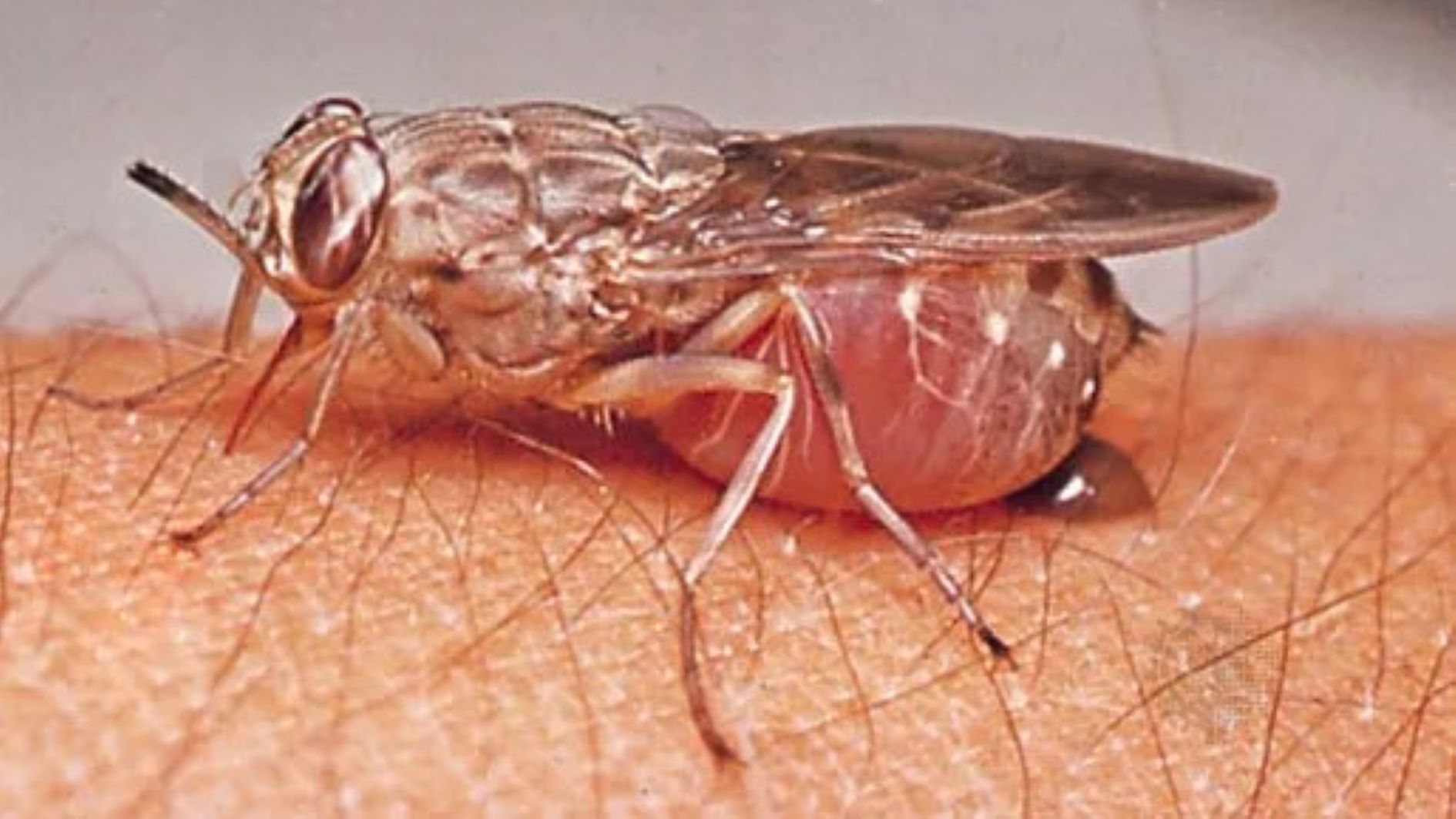
The International Atomic Energy Agency (IAEA) has concluded a five-day technical training programme on capacity building for 12 staff of the Nigerian Institute for Trypanosomiasis Research (NITR) on Tsetse fly, Animal African trypanosomiasis (AAT) and Control interventions Atlases.
According to a statement signed by the Head, Information and Public Relations Unit (PRU) of NITR, Kaduna, Hafsat Suleiman Mohammed, the training, facilitated by Food and Agriculture Organisation (FAO) of the United Nations, was held between August 31 and September 4, 2026 at the NITR Headquarters, Kaduna, Kaduna State.
The Minister of Innovation, Science and Technology (HMIST), Dr. Kingsley Tochukwu Udeh, who declared the training opened, commended the institute for hosting the training and for its continued contribution to research and development.
He also appreciated the technical cooperation and support of the IAEA, FAO and its technical experts and partners for supporting knowledge exchange and capacity development in the areas of tsetse and trypanosomiasis control.
Udeh stressed that the training is a step towards addressing the challenges posed by African trypanosomiasis and tsetse fly, and its implications for agricultural productivity, food security and the livelihoods of communities that depends on livestock.
He further asserted that effective responses to these constraints require reliable scientific evidence and appropriate information on the distribution of disease, vectors and control activities.

“In this regard, the development of the proposed atlases represents an important opportunity to strengthen the availability and use of evidence for research, planning and disease control activities.”
He reaffirmed the Federal Government’s commitment to promoting the application of science, innovation and technology in addressing the nation’s development priorities.
The IAEA sponsored technical cooperation programme is being conducted under the AFRA RAF5094 project titled: “Enhancing Regional Capacity Building for the Implementation of the Sterile Insect Techniques (SIT) as a component for Area Wide Tsetse and Trypanosomiasis Management.”
The 12 participants of the institute are expected to participate in an interactive technical training session where they will learn how to systematically collect, collate, clean/format, merged, old and newly acquired entomological, parasitological and control interventions field data into centralised database.
The mission of the programme is to provide technical support for the “Atlas Project”, while equipping participants with the knowledge and skills required to independently develop, update and publish the National Tsetse, AAT and Control interventions atlases.
In addition, it also seeks to strengthen participants’ technical expertise in project development and baseline distribution mapping, by enabling them to gather accurate geo-spatial data required to form the requisite atlases.
The participating team is expected to be able to independently develop, update, and publish standardized national level Entomological and Parasitological atlases, as well as produce Control Atlas to support evidence based planned surveillance, and disease control toward the elimination and the eventual eradication of the menace of African trypanosomiasis; a veritable ministerial deliverable and presidential priority of the renewed hope agenda of President Bola Ahmed Tinubu administration.

