 Follow Us on Google News



 Follow Us on Google Discover
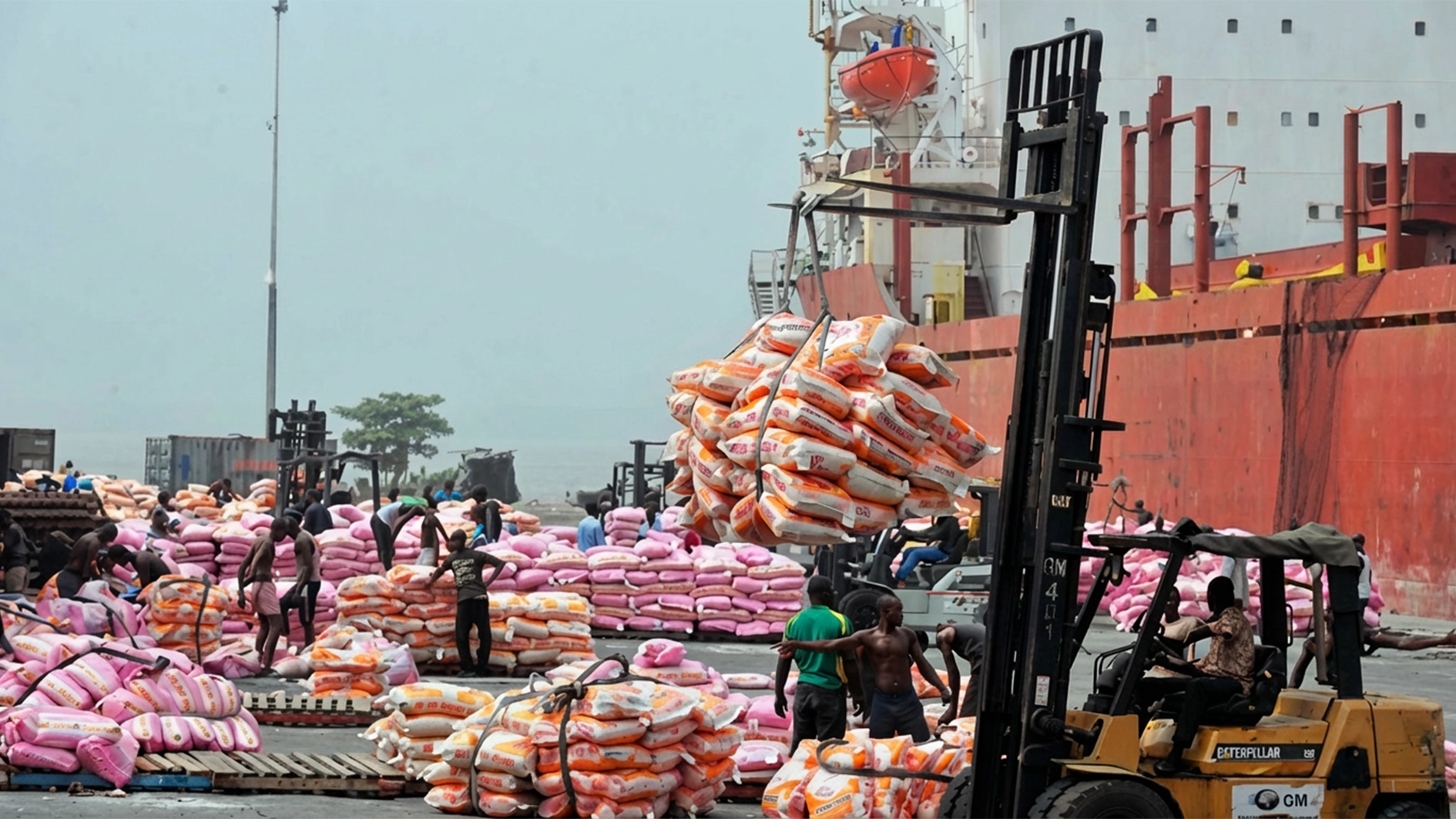
Nigeria spent $1.19 billion on food imports in the first half of 2026, an 11.41 per cent increase from $1.07 billion in the same period of 2025, according to the Central Bank of Nigeria (CBN).
The CBN’s Quarterly Statistical Bulletin for the second quarter of 2026 showed that spending on food imports rose by $121.52 million, reflecting continued demand for foreign exchange to meet domestic food needs despite the Federal Government’s efforts to boost local production.
Foreign exchange used for food imports rose year-on-year in five of the six months. Only February recorded a decline. The second quarter accounted for the overall increase, after spending fell in the first quarter.
The figures underline the difficulty of cutting dependence on foreign food despite government efforts to raise domestic production.
Separate figures from the National Bureau of Statistics (NBS) put food and beverage imports at N3.30 trillion in the half-year, a 3.1 per cent drop from N3.40 trillion in the first half of 2025.
The NBS data showed the bill rising from N1.39 trillion in the first quarter to N1.91 trillion in the second. Processed food and beverages accounted for N1.72 trillion of the total. The second-quarter increase cut across primary and processed food, with household-oriented products recording particularly strong growth.

The CBN figure tracked forex used for food imports, while the NBS figure measured the naira value of food and beverage imports. The naira value of food imports reflects import volumes, international prices and exchange-rate movements. The yearly bill reached N7.65 trillion in 2025, up from N6.58 trillion in 2024.
The rising bill comes amid concerns over food affordability and supply. The Food and Agriculture Organisation (FAO) has warned that about 34.7 million Nigerians could face severe food insecurity in the next lean season.

