 Get Guardian on Google
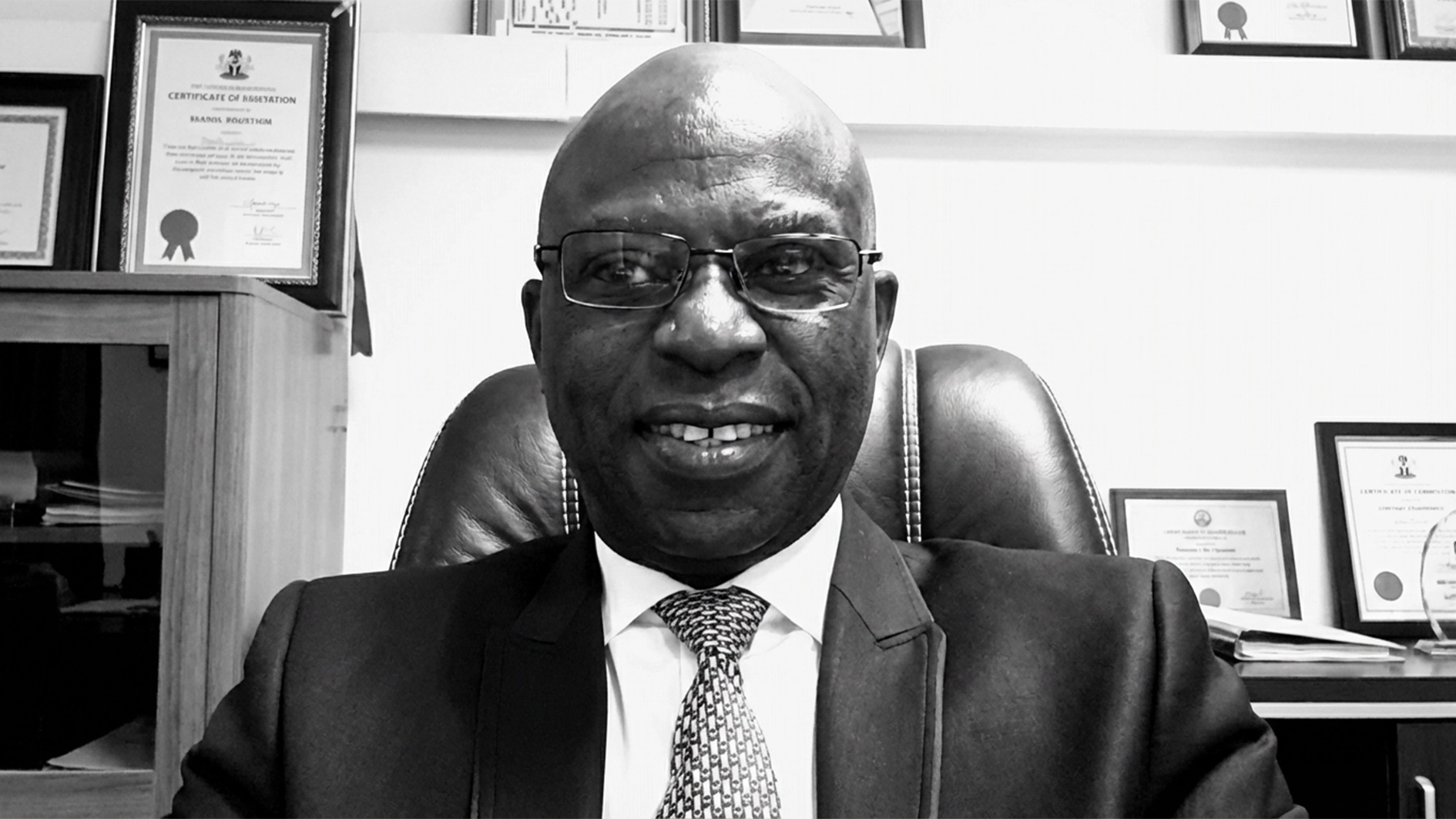
A former official of the Nigerian College of Aviation Technology (NCAT), Zaria, Samuel Caulcrick, has defended the Federal Government’s decision to commit N712 billion to the reconstruction of Terminal 1 of the Murtala Muhammed International Airport (MMIA), Lagos.
Caulcrick, who spoke with The Guardian in Lagos, said the project involved far more than an ordinary terminal renovation, arguing that critics of its cost might be overlooking the extensive structural, civil engineering and infrastructure works covered by the contract.
He said that an objective assessment of the project should be based on its bill of quantities rather than comparisons with the cost of conventional terminal construction or routine renovation.
According to him, the project involves stripping the existing 1979 terminal down to its concrete structural frame and rebuilding it, including installing new mechanical, electrical, and plumbing systems.
He said the scope also covers two independent landside ring roads, overhead bridges, a skywalk and a connecting building between Terminals 1 and 2. It also includes the expansion of Terminal 2’s apron and boarding fingers by approximately 15,000 square metres.
Caulcrick, who is also the Chief Executive Officer of Merchant Express Cargo Airlines, said these components distinguish the project from routine renovation or cosmetic improvements, which critics had often used as the basis for questioning the contract sum.
He said: “Critics who compare the cost to basic terminal facelifts often overlook that the contract bundles several heavy civil engineering works.
“Apart from stripping the 1979 structure down to its concrete frame, the bill covers two independent landside ring roads and overhead bridges, a skywalk and connecting building linking T1 and T2, and a 15,000-square-metre apron and boarding finger expansion for Terminal 2.”
He further attributed part of the project’s high cost to foreign exchange exposure, explaining that most construction materials and equipment, apart from labour, were effectively dollarised.
According to him, the cost implications of cement, diesel and imported materials should be considered when evaluating the overall financial commitment.
Caulcrick argued that the more appropriate question was whether the contract sum represented value for money, given the volume and complexity of the work involved.
“Is it the wrong question to ask how much it will cost to build a new one? To be objective, in my view, I would rather evaluate the bill of quantities,” he said.
The N712 billion contract, estimated at about $500 million, covers the comprehensive reconstruction of the old international terminal, including its structural and building services components.
Other infrastructure projects at the airport include the perimeter fence and Closed Circuit Television (CCTV) camera installation, estimated at N49.9 billion, and the runway and taxiway Category II LED lighting upgrade, valued at approximately N44.13 billion.