
 Get Guardian on Google
The growing adoption of virtual assets presents an opportunity to expand the capabilities of traditional financial systems, with appropriate regulation playing a critical role in ensuring their effective integration, Zeal Akaraiwe, Group Chief Executive Officer of FMDQ Group Plc, has said.
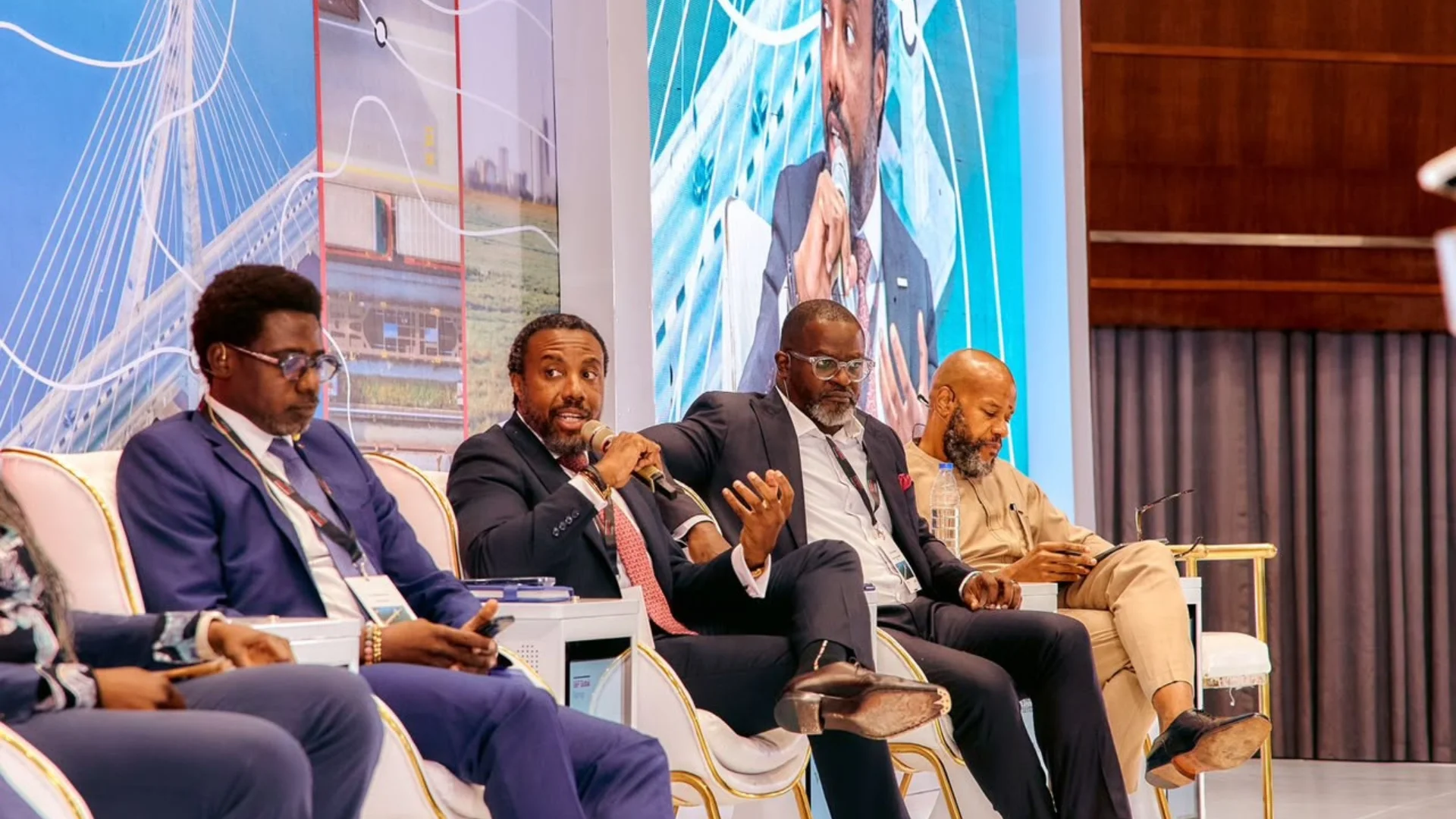
Speaking at the S&P Global Africa Summit 2026 in Lagos on Tuesday, Akaraiwe said “the virtual asset world is here to stay”, adding that the focus should be on how emerging digital financial instruments can operate effectively alongside established financial mechanisms.
His comments came during a panel discussion titled *Beyond Banking: Fintech, Digital Assets and the Future of Capital Flows in Africa*, where financial industry leaders examined the role of innovation, regulation and market infrastructure in expanding financial connectivity across the continent.
Akaraiwe acknowledged the important role of existing foreign exchange controls in safeguarding national economies, noting that such arrangements protect financial systems from economic abuses.
He also highlighted opportunities for regulatory frameworks to continue adapting to emerging technologies and changing investment patterns, supporting more efficient capital flows while maintaining appropriate safeguards.
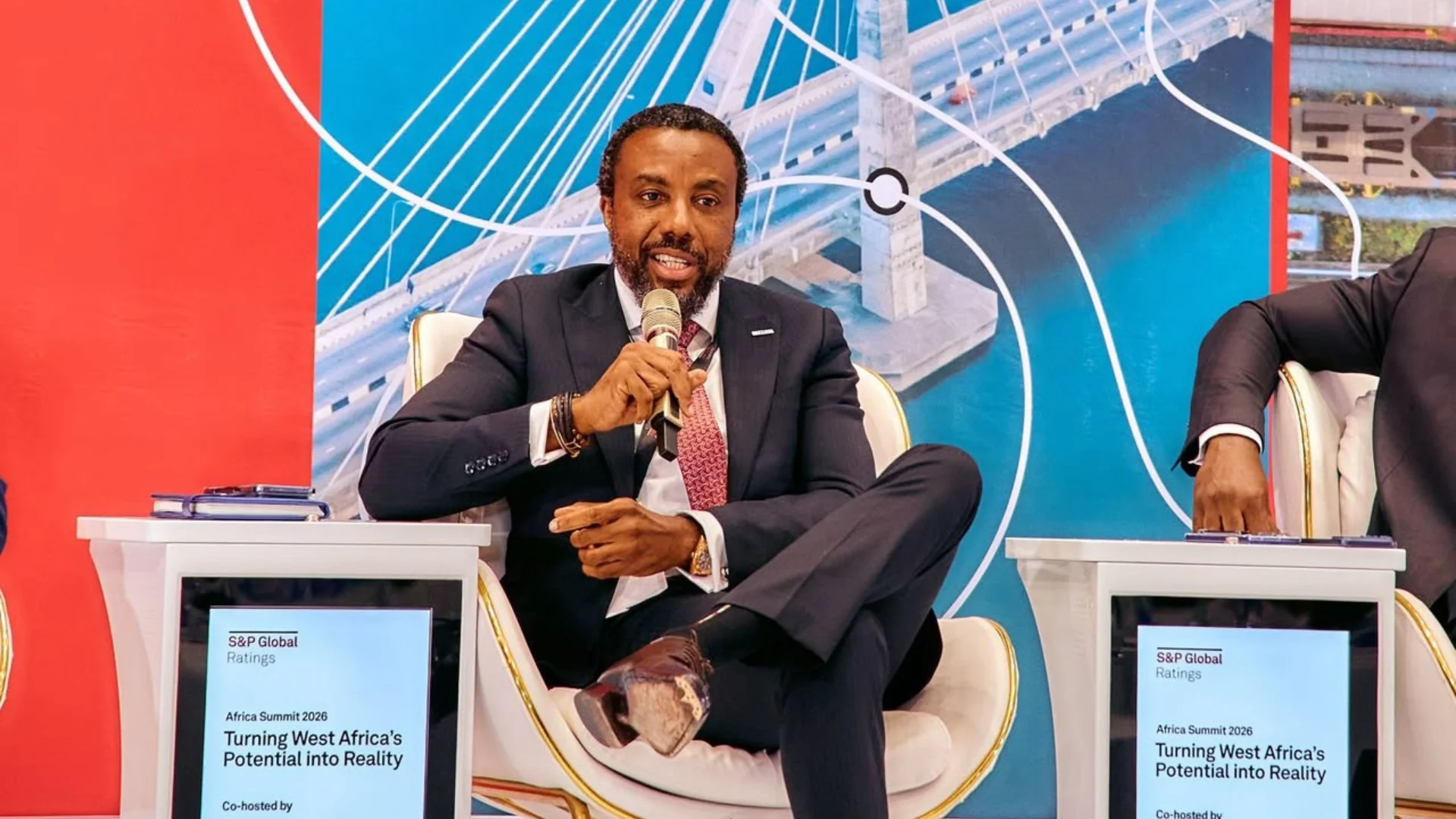
Looking ahead to Africa’s next investment cycle, the FMDQ chief executive identified the wider adoption of appropriately regulated virtual assets, improvements in cross-border capital mobility and increased investment in local processing capacity as developments that could contribute significantly to economic growth.

He suggested that combining greater financial connectivity with Africa’s ability to process more of its raw materials locally could expand opportunities for investment, industrial development and regional trade.
Other panellists highlighted the importance of establishing confidence in emerging financial instruments, including clear regulatory oversight, credible asset backing and reliable settlement arrangements.
The discussion also examined the practical value of digital financial solutions, with participants emphasising that their adoption would depend on delivering improvements in transaction speed, cost, security and reliability.
Panellists further highlighted opportunities for greater coordination among African financial institutions and regulatory authorities as the continent develops more efficient cross-border payment and settlement systems.
The discussions reflected growing interest in how emerging financial technologies can complement existing market infrastructure and support greater participation in Africa’s financial markets.