 Follow Us on Google News


 Follow Us on Google Discover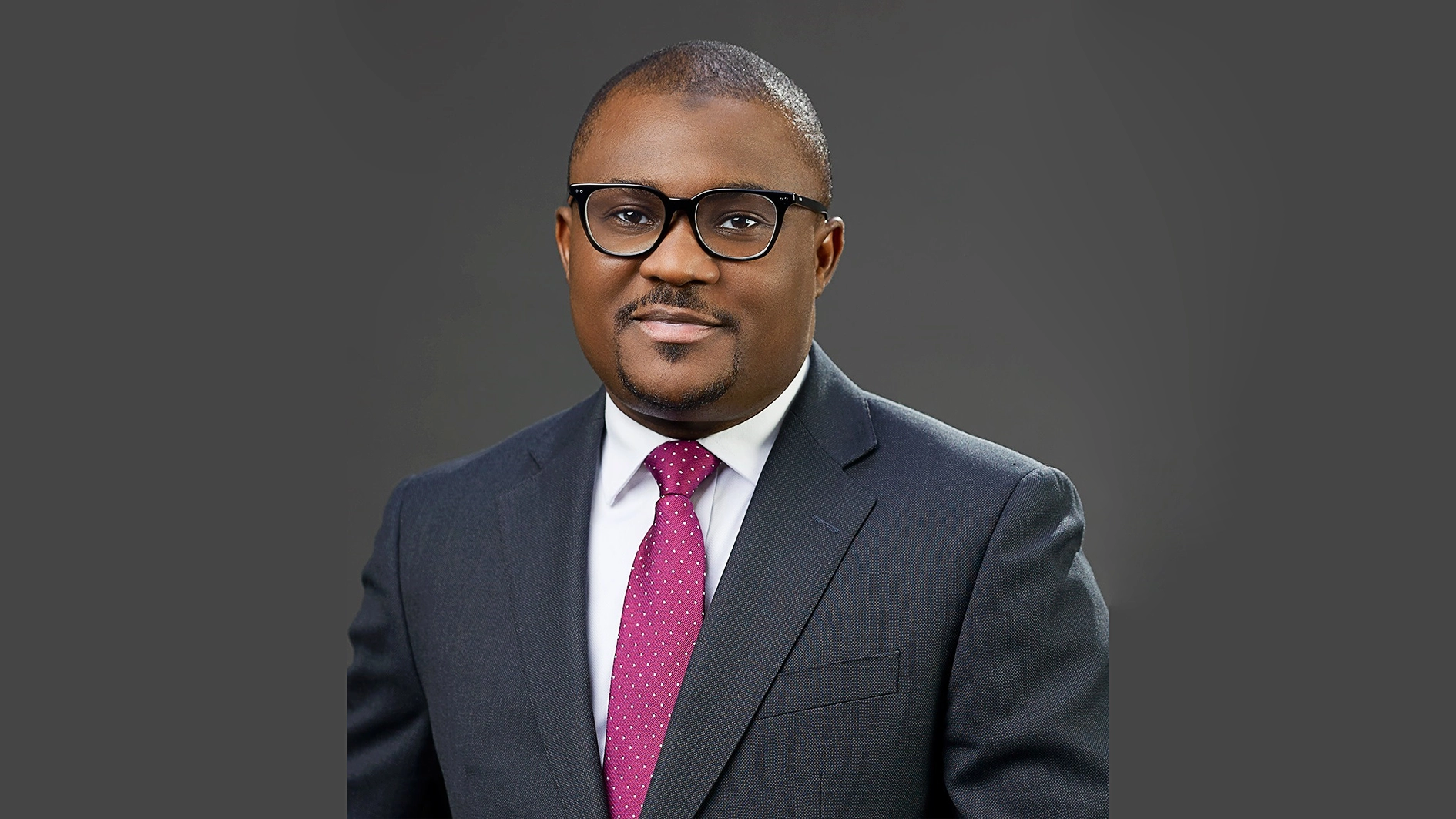
The Executive Secretary of the Financial Reporting Council of Nigeria (FRC), Dr Rabiu Olowo, has warned auditors against compromising their independence as artificial intelligence (AI) increasingly transforms the audit profession, stressing that technology must complement professional judgement rather than weaken the ethical foundations of auditing.
Olowo gave the warning yesterday in Ikeja, Lagos, at the 2026 Audit and Assurance Leadership Summit, themed: ‘Audit Integrity in the AI Era: Independence, Accountability and Reliable Financial Reporting’.
Olowo said AI was already changing how financial information was generated, processed, analysed and reported, with auditors increasingly using machine learning, predictive analysis, data analytics and continuous auditing.
He noted that the technology could allow auditors to analyse significantly larger volumes of data, improve fraud-risk assessment, enhance audit efficiency and provide deeper analytical insight.
However, he warned, the benefits came with risks, including inaccurate data, manipulation and cybersecurity threats.
He said the increasing use of technology should not make auditors surrender their professional scepticism or blindly accept outputs generated by sophisticated systems.

The FRC boss also raised concern about practices that blur the professional boundaries between preparing financial statements and independently auditing them, saying such situations could create self-review threats, compromise objectivity and weaken public confidence.
“Let me therefore emphasise this point very clearly, that audit integrity cannot exist where independence is compromised. Technology must never become an excuse for weakening the fundamental ethical principles of the profession,” he said.
In her keynote address, the Minister of Industry, Trade and Investment (FMITI), Dr Jumoke Oduwole, said credible financial reporting was essential to investment, lending, policymaking and economic growth.
Represented by the Permanent Secretary of the ministry, Dr Chris Osa Isokpunuwu, Oduwole said AI presents significant opportunities in financial analysis, risk assessment, fraud detection, internal controls and audit processes, but warned that its adoption must be balanced with human oversight.
“Technology may change the tools of assurance, but it must never change the principles upon which assurance is built. Integrity, independence, professional scepticism, transparency, and accountability must remain at the centre of the audit profession,” she said.
A former Director of the FRC, Dr Iheanyi Anyahara, identified another dimension of the audit expectation gap, saying regulators themselves sometimes expect auditors to go beyond the requirements of professional standards.
Speaking during a panel on ‘Closing the Audit Expectation Gap: Restoring Public Trust and Strengthening Accountability,’ Anyahara said the standards should be treated as a guide rather than the minimum or maximum expected of auditors.
He stated that regulators expected more from auditors beyond the standards.
According to him, the situation could create pressure for auditors who may question why they were being required to do more when they had complied with the standards.

