 Follow Us on Google News


 Follow Us on Google Discover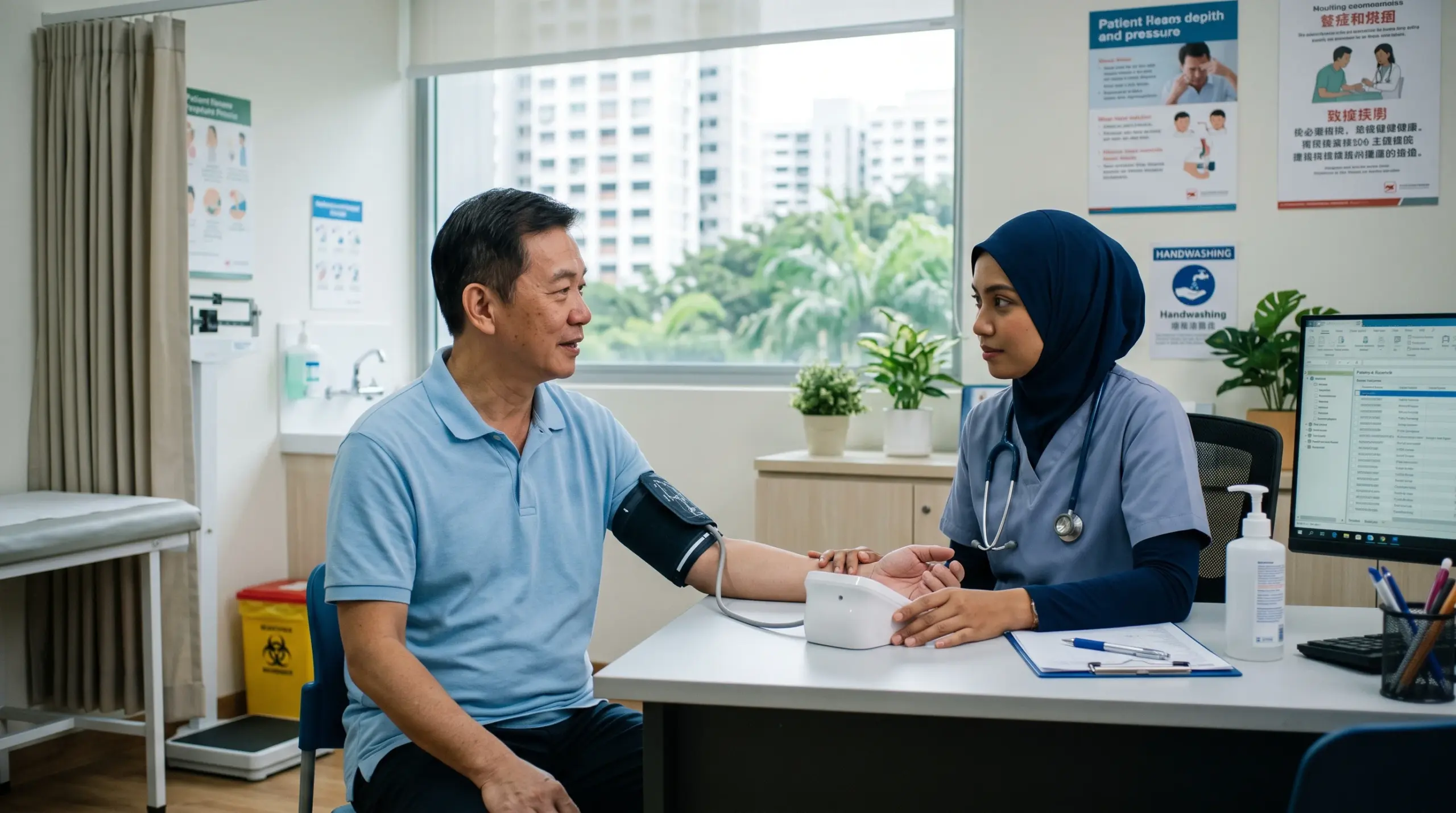
For decades, the pattern was the same across much of Asia. Men saw a doctor when something broke. Annual check-ups were seen as unnecessary, expensive or slightly embarrassing, and health was measured by the absence of visible illness.
That pattern is changing. Across Singapore, Malaysia and the wider region, clinics report growing demand from men in their thirties and forties who are not sick, but who want to know where they stand. Preventive health screening has moved from a luxury service for executives to a routine habit for a wider middle class.
Several forces are driving the shift. Non-communicable diseases such as heart disease, stroke and diabetes account for the majority of deaths globally according to the World Health Organization, and Asian health systems have been blunt about the cost of late detection. Public campaigns, corporate health benefits and a generation raised on wearable fitness data have normalised the idea of tracking your own numbers. Rising awareness of longevity science, the study of healthspan rather than just lifespan, has also reframed screening as an investment rather than an expense.
The behaviour gap remains real. In most countries men still visit doctors less often than women, screen later and are more likely to describe symptoms as “nothing serious”. Health systems and clinics across the region have responded by redesigning the experience: appointments that respect working hours, results explained properly rather than emailed as numbers, and a clinical tone that treats prevention as maintenance rather than paranoia.
There is also a cultural correction underway around what screening includes. Modern panels go beyond basic cholesterol to look at ApoB, inflammation markers, hormone profiles and cancer markers where clinically indicated. A full picture of cardiovascular and metabolic risk in middle age does more for life expectancy than almost any later intervention.
What early adopters are actually testing
The men leading this shift are not asking for every test on the menu. They ask practical questions: which numbers matter, how often should they be checked, and what changes if a result comes back borderline. A sensible annual panel for a man in his thirties or forties covers blood pressure, fasting glucose and HbA1c, a lipid profile including ApoB, kidney and liver function, and a discussion of sleep, stress, alcohol and family history. From the mid-forties, national guidelines add colorectal cancer screening, and prostate screening becomes a conversation worth having rather than an automatic test.

The most useful output of screening is not a single result but a trend. Two years of stable numbers is genuinely reassuring; two years of drifting glucose or blood pressure is an early warning that can be corrected with modest changes. That is the logic executives already apply to their businesses, and it translates to health without much translation.
The role of the workplace
Employers are quietly accelerating the change. Corporate health benefits across Singapore and Malaysia increasingly bundle annual screening into executive packages, and human resources teams have learned that prevention is cheaper than absenteeism. A senior manager who catches prediabetes at 41 and corrects it costs the company nothing. The same condition diagnosed as diabetes at 52 with complications costs years of productivity and a great deal more treatment.
Some companies now brief new hires on their screening benefit during onboarding, which normalises the habit at the very start of a career rather than after a health scare. The effect compounds: employees who screen early tend to use their insurance for prevention rather than crisis care, and they spread the habit to colleagues and family.
A realistic picture
None of this means the stigma has disappeared. Plenty of men still postpone checks, and clinics still see first-time patients in their fifties who have not had bloodwork done in a decade. But the direction of travel is clear, and it is being set by people in their thirties rather than their sixties.
Singapore and Malaysia have become regional centres for this model. Clinics such as Hisential, which serve a client base spanning dozens of nationalities across Kuala Lumpur and Singapore, report that the fastest-growing segment is men under 45 booking their first comprehensive screen, often at the urging of a spouse or partner.
The quiet improvement is worth naming. Preventive health is becoming, slowly, something Asian men do rather than something they postpone. That shift will do more for the region’s health statistics than any single treatment advance.

