 Follow Us on Google News
 Follow Us on Google Discover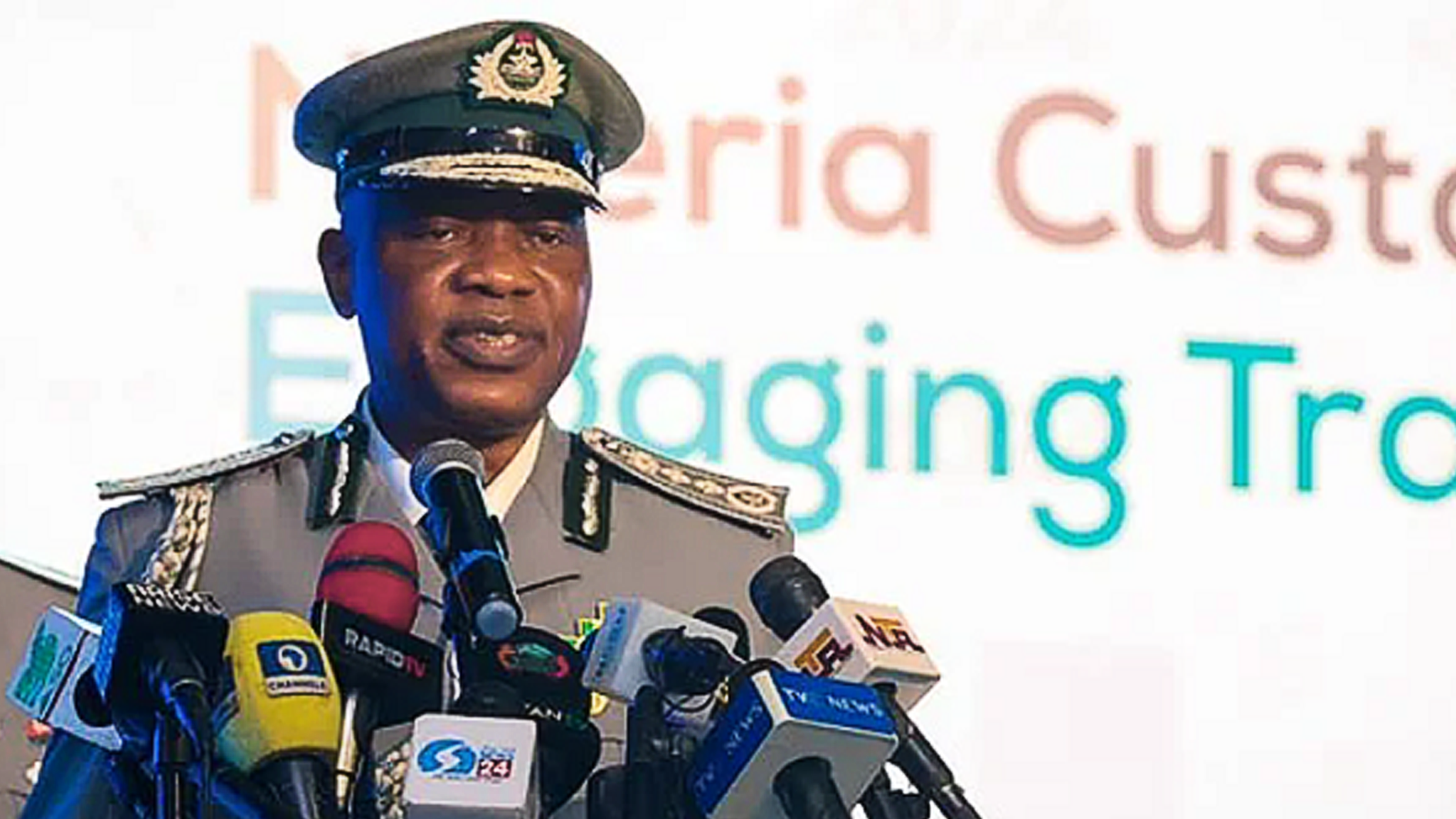
Nigeria Customs Service (NCS) and UNILEVER Nigeria Plc have entered into a strategic partnership to tackle counterfeit and illicit trade, improve supply chain visibility, and protect consumers nationwide.
Under the agreement, both organisations will collaborate on intelligence sharing, capacity building, product authentication, inspections and other enforcement initiatives designed to curb the circulation of counterfeit products and protect legitimate businesses.
Counterfeit products remain a concern for public health and consumer protection, while also undermining consumer confidence, distorting competition and reducing government revenue.
The challenge is particularly significant in the beauty and personal care category, where counterfeit products may contain unsafe ingredients and pose risks to consumers, while also affecting legitimate brands operating in the Nigerian market.
Speaking at the signing ceremony, Unilever Nigeria Plc Managing Director, Tobi Adeniyi, described the agreement as an important step in addressing counterfeiting.
He said the partnership would combine Unilever’s product-authentication expertise with the NCS’s enforcement capabilities to help curb the circulation of counterfeit goods.

He added that the agreement demonstrated the importance of public-private partnerships in addressing challenges affecting businesses and society.
NCS Comptroller-General, Bashir Adewale Adeniyi, said the service remained committed to implementing the agreement transparently and professionally, in line with its mandate.
According to him, counterfeiting and other forms of illicit trade could not be tackled effectively by a single organisation, adding that public-private partnerships were necessary to protect businesses and consumers.
He said the agreement would help give consumers greater confidence in the products they purchase, while supporting legitimate trade and economic growth.
The partnership will also focus on strengthening the protection of intellectual property rights and improving cooperation across ports, border corridors and supply chains.
Both organisations are expected to deepen intelligence sharing and capacity building as part of efforts to improve enforcement against counterfeit and illicit products.
The agreement also seeks to promote fair competition and strengthen the operating environment for legitimate businesses.

