 Follow Us on Google News


 Follow Us on Google Discover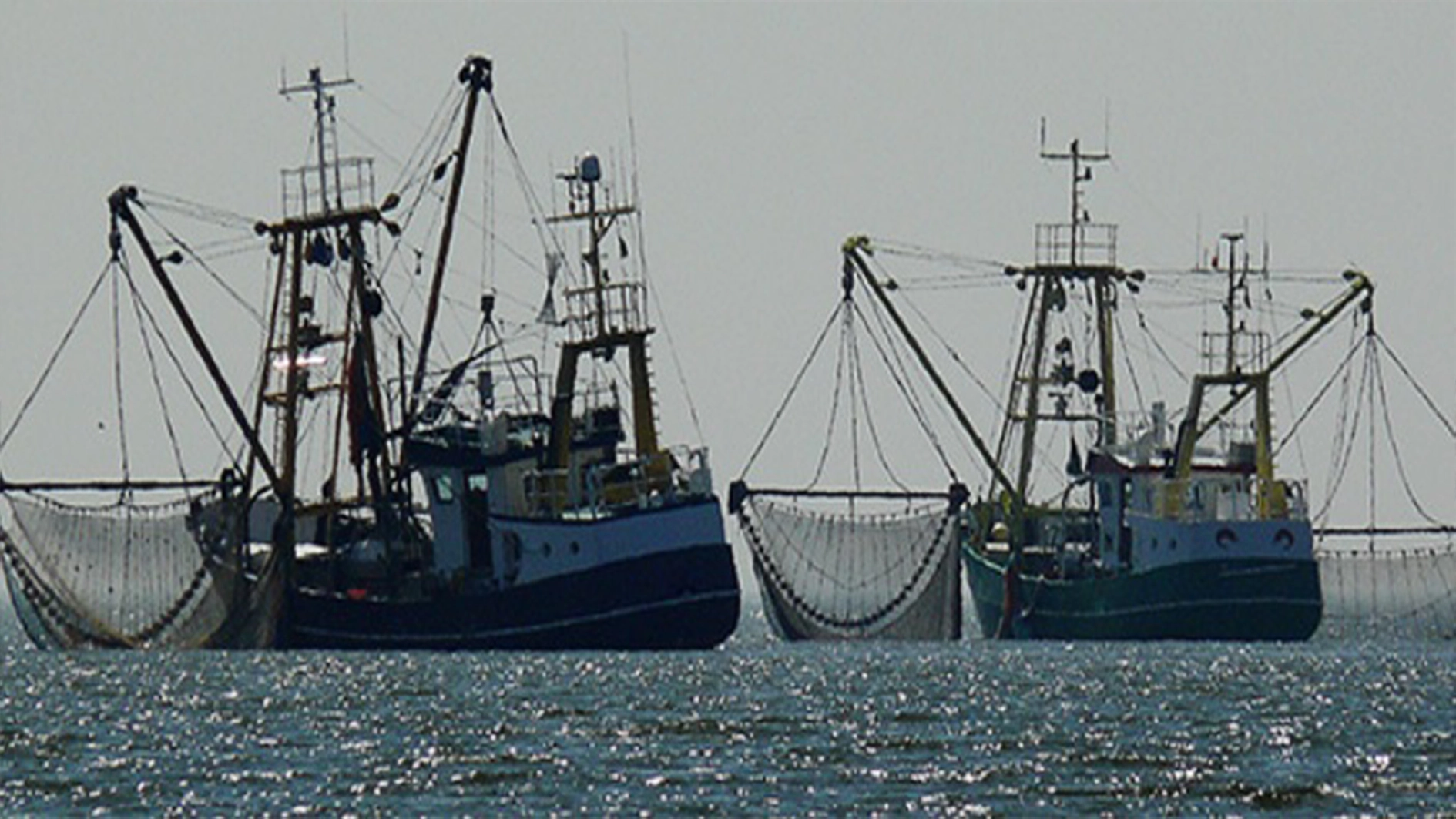
Nigeria’s fisheries sector faces inadequate infrastructure, limited access to finance, high feed costs, a weak cold chain, poor storage systems, illegal fishing, and post-harvest losses, among others. However, changing the oddly familiar narrative is imperative to the fortunes of the blue economy and the economy at large, ADAKU ONYENUCHEYA reports.
Fisheries contribute approximately $274 billion to global Gross Domestic Product (GDP) and could deliver an additional $50 billion each year if managed optimally, according to the World Bank.
Nigeria struggles to harness the opportunities in its waters, despite having about 857 kilometres of coastline, over 10,000 kilometres of navigable inland waterways, and a 200-nautical-mile Exclusive Economic Zone (EEZ).
The waters are also under threat as the Federal government has remained overly focused on oil and gas while paying insufficient attention to fisheries.
Rather than maximise the opportunity provided by the marine ecosystem, the country has increasingly turned to foreign markets to satisfy a growing appetite for seafood.
In 2025 alone, Nigeria’s frozen fish and seafood imports rose to $866 million, up from $688.5 million in 2024 and $606 million in 2023.
The figures, compiled from the United Nations Commodity Trade Statistics Database, represent a 19.54 per cent compound yearly growth rate over the period.
Nigeria possesses enormous aquatic resources, but domestic production remains far below demand.
The country consumes 3.6 million tonnes of fish yearly, but produced only 1.4 million in 2025, up from 1.1 million in the previous year, leaving a huge gap of over two million tonnes, according to the Federal Ministry of Marine and Blue Economy’s assessment.
The production gap has been linked to the dominance of illegal foreign trawlers, aggressive overfishing, climate change, oil spills, and illegal, unreported, and unregulated (IUU) fishing, posing major threats to the country’s maritime ecosystem.
But beneath the import statistics lies a much larger economic opportunity. Stakeholders in the maritime sector noted that if properly developed, the fisheries and aquaculture sector, estimated at about N25 trillion, could become a significant pillar of food security, employment, coastal development, trade and Nigeria’s emerging blue economy.
However, this economic opportunity is being constrained by a combination of challenges.
Challenges Limiting Fisheries
At the National Conference on Sustainable Fishing in Nigeria organised by the Maritime Correspondents’ Organisation of Nigeria (MARCON) in Lagos last week, stakeholders identified inadequate infrastructure, lack of access to finance, high feed costs, weak cold-chain and storage systems, illegal fishing, post-harvest losses, climate change and limited access to markets.
The Director General of the International Maritime Institute of Nigeria (IMION), Thaddeus Udofia (rtd), particularly raised concerns over destructive fishing practices by industrial trawlers, saying they could damage marine habitats and reduce the catch available to artisanal fishermen and coastal communities.
Udofia said the consequences extended beyond individual fishermen, as declining catches could affect household incomes, food availability and national food security.
According to him, the country’s waterways and marine areas are endowed with abundant fisheries resources and significant aquaculture potential.
Yet, for decades, Nigeria’s offshore and inland fisheries had remained largely underdeveloped, constrained by ecological pressures, underinvestment and the growing threat of unsustainable exploitation.
President, Nigerian Trawlers Owners Association (NITOA), Benedette Okonkwo, identified high fuel and operating costs, ageing fishing vessels, limited access to finance, inadequate fishing and cold-chain infrastructure, regulatory difficulties, maritime insecurity, lack of fish terminals, poor fisheries data, climate-related pressures and limited processing capacity as major constraints to the sector.
According to her, modernising the country’s fishing fleet should be the starting point for the sector’s revival, with government and private investors supporting the rehabilitation and replacement of obsolete vessels with safer, more fuel-efficient equipment.
However, she stressed that fleet expansion must be guided by scientific assessments of fish stocks to prevent overfishing and ensure the industry’s long-term viability.
Financial institution’s neglect
Nigeria’s industrial fishing sector requires urgent investment in modern vessels, fish terminals, cold-chain infrastructure and affordable finance to increase domestic fish production and reduce the country’s dependence on imported fish.
However, there is increased concern by the Lagos State government over commercial financial institutions’ reluctance to finance the fisheries sector.
The Lagos State Commissioner for Agriculture and Food Systems, Ruth Olusanya, said limited access to capital remained a major obstacle to productivity and the development of a sustainable fisheries value chain.
Olusanya further lamented that financial institutions were often unwilling to lend to fisheries operators due to the perceived high costs and risks associated with the sector.
According to her, without access to affordable capital, operators in the sector would struggle to expand production and improve their businesses.
The commissioner said financing was one of several areas requiring attention if Nigeria were to build a fisheries value chain capable of supporting food security, creating jobs, and contributing significantly to economic growth.
She explained that the fisheries value chain involves several interconnected activities, from production and landing of fish to handling, processing, storage, transportation, marketing and eventual consumption.
Olusanya noted that weaknesses at any point in the chain could lead to losses for producers and reduce the quantity and quality of fish available to consumers.
The commissioner declared that the government alone could not provide all the resources required to transform the fisheries sector, urging greater private-sector participation.
She said private investors could provide capital, efficiency and innovation, while financial institutions needed to develop appropriate financial products for fisheries operators.
The problem is particularly acute for small-scale operators who need money for boats, fishing gear, engines, cages, ponds, fingerlings, feed, cold storage and transportation.
The Federal government’s 2026 budget allocated about N122.19 billion to fisheries and aquaculture, with provisions covering infrastructure, research, training, monitoring, post-harvest facilities and support for fish farmers and artisanal fishermen.
Among the allocations were N1.05 billion for fish terminals and harbours, N106.38 million for post-harvest infrastructure and N145.15 million for local fish-feed mills across the six geopolitical zones.
However, the challenge now is translating budgetary allocations into productive assets that reach the people operating at the bottom of the value chain, since the financial institutions can’t provide access to loans.
NITOA President said that affordable long-term financing, fisheries insurance, and investment schemes would enable operators to acquire vessels and equipment, develop processing facilities, and meet working capital needs.
She noted access to such funding should be tied to compliance with fisheries regulations and sustainable fishing practices.
NITOA President noted that Nigeria urgently needed modern fishing ports, landing facilities, ice plants, cold storage facilities, refrigerated transport, processing centres, and fish markets to reduce post-harvest losses and improve the quality and value of fish products.
Okonkwo also placed particular emphasis on establishing dedicated fish terminals, describing them as specialised shore-based facilities where fishing vessels could safely discharge their catches for sorting, processing, storage, marketing, and distribution.
“The industrial fishing sector should be integrated into Nigeria’s broader blue economy strategy, with public-private partnerships mobilising the capital and expertise required for fleet modernisation, infrastructure, processing, logistics and market development,” she said.
The way forward
Nigeria’s inability to translate its fisheries endowment into domestic seafood sufficiency remained a major challenge to food security, employment and economic development.
Meanwhile, a coordinated revival of the sector would increase domestic fish production, improve food security, create jobs in coastal communities, reduce fish imports, expand fish-processing and marine industries, increase government revenue and potential export earnings, improve livelihoods across the fisheries value chain and strengthen the sector’s contribution to the blue economy.
To address this, Udofia advocated a five-pillar strategy focused on stronger regulation and enforcement, science-based fisheries management, capacity building and technology, advanced maritime surveillance and community-based fisheries management.
Udofia also stressed the importance of scientific data in determining catch limits, closed fishing seasons and marine protected areas, noting that research institutions should be empowered to provide reliable data for fisheries.
Udofia said Nigeria also needed stronger vessel-monitoring systems, satellite surveillance, and effective catch-quota enforcement to monitor industrial fishing activities and protect marine ecosystems.
Chief Consulting Officer, Port Protocols Limited, Dera Nnadi, said Nigeria’s fish economy was estimated at about N25 trillion, adding that the figure was approximately seven and a half times Lagos State’s entire 2025 budget.
He called for the development and implementation of a clear, practical policy framework to unlock the fisheries economy.
President, National Association of Government Approved Freight Forwarders (NAGAFF), Tochukwu Ezisi, advocated stronger integration of freight forwarders into the fishing industry to enhance efficient logistics and transparent supply chains.
Ezisi, who was represented by the Secretary General of NAGAFF, Godfrey Nwosu, stated that efficient logistics and transparent supply chains were vital to ensuring that sustainably harvested fish reached markets safely, affordably and in compliance with international standards.
He argued that freight forwarders should not be viewed merely as facilitators of trade, but as partners in safeguarding food security and supporting coastal livelihoods.
President, MARCON, Ismail Aniemu, urged State governments to invest deliberately in the fisheries sector and harness their marine resources to create jobs, strengthen food security and generate revenue.
Aniemu said Nigeria could no longer afford to have vast marine resources without adequately participating in the economic activities generated from them, stressing that fishing should occupy a stronger position in the country’s blue-economy agenda.
The MARCON President also urged the maritime industry to look beyond its traditional concentration on cargo and container traffic, arguing that greater attention should be given to fish production and exports.
Aniemu also called for stronger integration of artisanal fishing communities into fisheries development, saying those operating at the grassroots level must be carried along in policies and investments affecting the sector.
The Director, International Ocean Institute (IOI) Nigeria Centre and Marine Research Officer at the Nigerian Institute for Oceanography and Marine Research (NIOMR), Akanbi Williams, said the country’s extensive marine resources had not translated into adequate domestic fish production, with local output currently meeting less than 40 per cent of national fish demand.
He stressed the need to move scientific knowledge beyond research institutions and into fisheries management, investment decisions and fishing practices.
According to Williams, the size of Nigeria’s marine space makes scientific understanding critical to determining how its fisheries resources could be exploited without undermining the ecosystems and communities that depend on them.
He said marine science provided the evidence required to understand fish stocks, biodiversity, oceanography, fishing technology, coastal processes and the livelihoods of fishing communities, but stressed that data collection alone would not deliver sustainable fisheries.
Government’s Push
Special Adviser to the Lagos State Governor on Blue Economy, Oluwadamilola Emmanuel, called for the deliberate development of inland waterways to support sustainable fisheries, food security, and coastal livelihoods.
Emmanuel, who was represented by the Head of Operations, Lagos State Waterways Authority (LASWA), Ibrahim Oladayo, noted that efficient waterways could improve access to fishing grounds, facilitate the movement of fish-farming inputs and equipment and enable fresh catches to reach markets more quickly.
Emmanuel pointed out that the condition and accessibility of waterways directly affect fishing communities, particularly in areas where livelihoods depend on fishing, aquaculture, and seafood trading.
He advocated closer integration between fisheries policy and transport planning, saying both areas should no longer operate in disconnected silos.
Emmanuel further proposed the development of integrated waterfront nodes where conditions permit, combining passenger mobility with facilities such as artisanal landing points, solar-powered cold storage, gear-repair workshops, regulated processing areas and waterfront markets.
He added that whether the primary opportunity in a particular basin was mass transit, artisanal fishing, commercial aquaculture, eco-tourism or a combination of these activities, the different uses depended on the same water resources.
On her part, Olusanya said Lagos was strategically positioned to benefit from a stronger fisheries industry because of its extensive marine, lagoon, river and estuary resources.
The commissioner noted that the state had a large community of fishers, fish farmers, processors, traders, transporters and input suppliers whose livelihoods depend directly or indirectly on fisheries.
She, however, said fisheries development in Lagos must take into account the multiple uses of the state’s waterways, which were also used by passenger boats, commercial operators, security agencies and other maritime users.
She called for stronger coordination among fisheries authorities, maritime agencies, security agencies, waterway operators and fishing communities to ensure that the various users of the waterways could operate safely.

