
 Get Guardian on Google
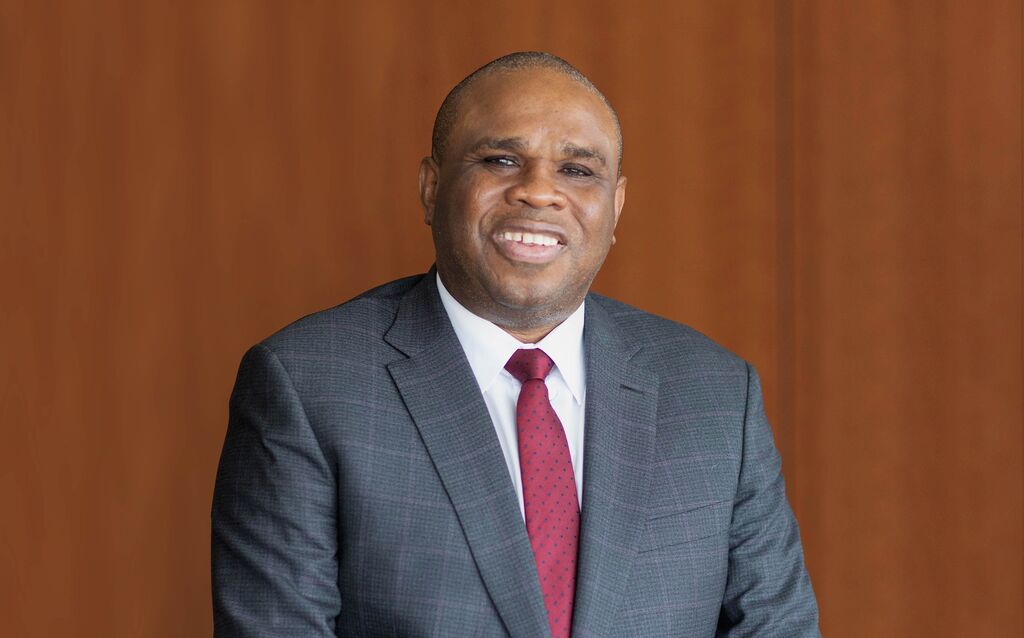
Former President of the African Export-Import Bank (Afreximbank), Prof. Benedict Oramah, has called for greater economic cooperation between Africa and the Caribbean, saying the continent must overcome divisions created by colonialism and mobilise its resources, including the estimated $500 billion in reserves to finance its development.
Oramah, who is the Founder and Chairman of Marob Strategies and Consulting, said Africa and the Caribbean shared a common history and burden and could not restore their dignity or achieve meaningful development by working separately.
He said colonial influence had created divisions among people of African descent for decades, making them see their brothers and sisters in other parts of the world as enemies rather than partners.
According to him, the idea behind Global Africa was to bring the two regions together and develop collective solutions to their economic challenges.
He recalled that efforts to establish stronger engagement with the Caribbean began with his visit to Barbados, where the initiative received a positive response.
Oramah said at the first meeting where an agreement was opened for signature by those interested in partnering with Afreximbank, virtually all participants signed, demonstrating their support for the initiative.
He said recent developments had shown the importance of collective self-reliance, warning that Africa must understand that no one else would solve its problems.
“When the chips are down, everybody is on their own. Nobody is going to solve Africa’s problems for Africa,” he said.
The former Afreximbank president attributed the continent’s underdevelopment partly to the effects of colonialism and neo-colonialism, arguing that Africans had been conditioned to work against their own interests.
He said Africa must reverse the colonial strategy by changing the mindset of its people and encouraging them to recognise their shared interests and capacity for development.
Oramah also questioned Africa’s approach to managing its financial resources, referring to about $500 billion in reserves on the continent while African countries continued to borrow to finance development.
He questioned why African countries would keep money abroad and subsequently face barriers when attempting to borrow funds, arguing that the continent should mobilise its resources internally and reduce dependence on external sources of finance.
According to him, the work of Marob Strategies and Consulting is to bring together ideas, governments and capital to help Africans regain control of their resources.
He said the initiative also aimed to strengthen the capacity of Africans to examine and challenge external advice rather than depend on foreign advisers to determine the continent’s development priorities.
Oramah said the ultimate objective was to build a united Global Africa capable of taking responsibility for its resources and development.