 Follow Us on Google News



 Follow Us on Google Discover
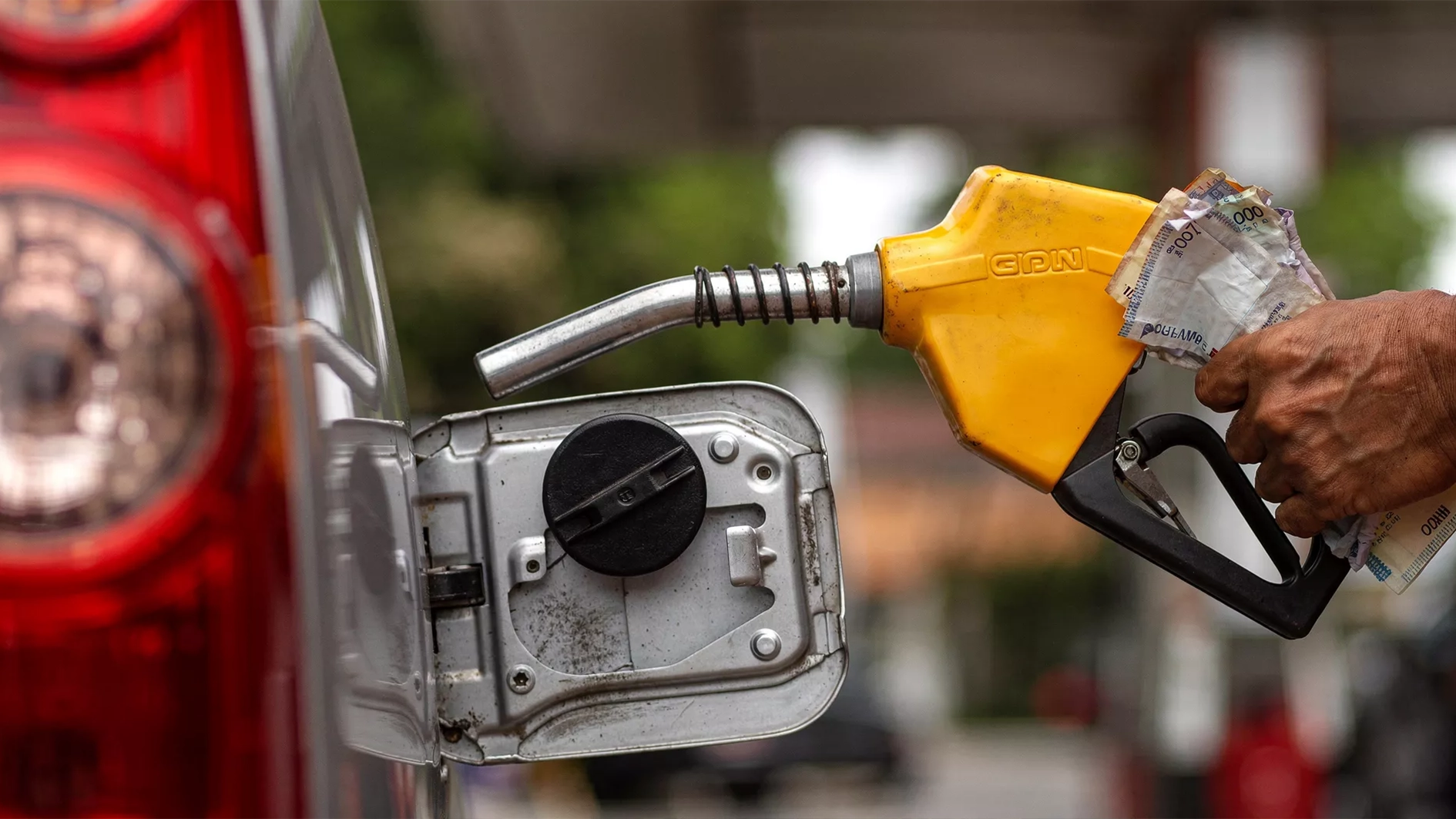
West African petroleum regulators have called for harmonised fuel specifications, improved infrastructure and stronger regulatory coordination to facilitate cross-border trade, amid changing petroleum supply patterns and rising refined product exports.
The regulators, from Nigeria, Ghana and The Gambia, made the call at the ongoing 20th OTL Africa Downstream Energy Week in Lagos, warning that differences in fuel standards, inadequate storage facilities and weak testing capacity could constrain regional petroleum trade.
The Authority Chief Executive of the Nigerian Midstream and Downstream Petroleum Regulatory Authority (NMDPRA), Rabiu Umar, said differences in fuel specifications across countries made it difficult to compare products and ensure fair competition.
Umar cited the disparity between diesel specifications of 50 parts per million (ppm) and 1,500 ppm, noting that such inconsistencies complicated efforts to harmonise standards across the region.
He said West African countries needed common product specifications and coordinated production rules to facilitate trade and promote competition.
Umar also advocated the establishment of a West African reference price for petroleum products, saying regional markets needed to strengthen trade among African producers.

The Chief Executive Officer of Ghana’s National Petroleum Authority, Godwin Tameklo, identified inadequate infrastructure as another major constraint to regional petroleum trade.
Tameklo explained that Ghana’s port and storage facilities could not always accommodate volumes delivered by larger vessels, forcing operators to consider smaller shipments or alternative arrangements.
He said countries needed to address infrastructure gaps, regulatory differences and market constraints to improve the cross-border movement of petroleum products. He also stressed the need for clear implementation timelines to ensure that regional harmonisation initiatives translated into practical results.
Similarly, the Director of Water, Petroleum and Electricity at The Gambia’s Public Utilities Regulatory Authority, Musa Njie, highlighted the importance of laboratory facilities in testing petroleum product quality.
Njie identified the absence of a laboratory for petroleum product testing as one of the challenges facing The Gambia, stressing the need to strengthen national quality assurance systems.
He said harmonisation efforts should protect public health and the environment while improving market efficiency. He also called for stronger coordination between regional frameworks and national regulatory institutions to ensure effective implementation of agreed standards.
The regulatory push comes amid changing petroleum supply patterns in Nigeria. Figures presented by the Group Executive Chairman of Rainoil Limited, Dr Gabriel Ogbechie, showed that refined product exports reached approximately 55 million litres daily in the second quarter of 2026, while imports fell below 20 million litres daily.
According to Ogbechie’s presentation at the event, refined product export earnings reached $3.94 billion, representing a 148 per cent year-on-year increase, while the Dangote Petroleum Refinery supplied 71 per cent of domestic Premium Motor Spirit (PMS) receipts in August 2026.
Ogbechie said Nigeria’s downstream market had shifted from import dependence towards domestic refining and from being a net importer to a net exporter.
He noted that Nigeria’s four state-owned refineries, with a combined capacity of 445,000 barrels per day, operated at an average utilisation rate of seven per cent in 2020. The Dangote refinery commenced operations in 2024, following the removal of petrol subsidy in May 2023.
However, the presentation also showed that daily petrol consumption declined from 60.2 million litres in January 2026 to 41.5 million litres in August, with petrol accounting for 72 per cent of combined fuel consumption.

