 Follow Us on Google News



 Follow Us on Google Discover
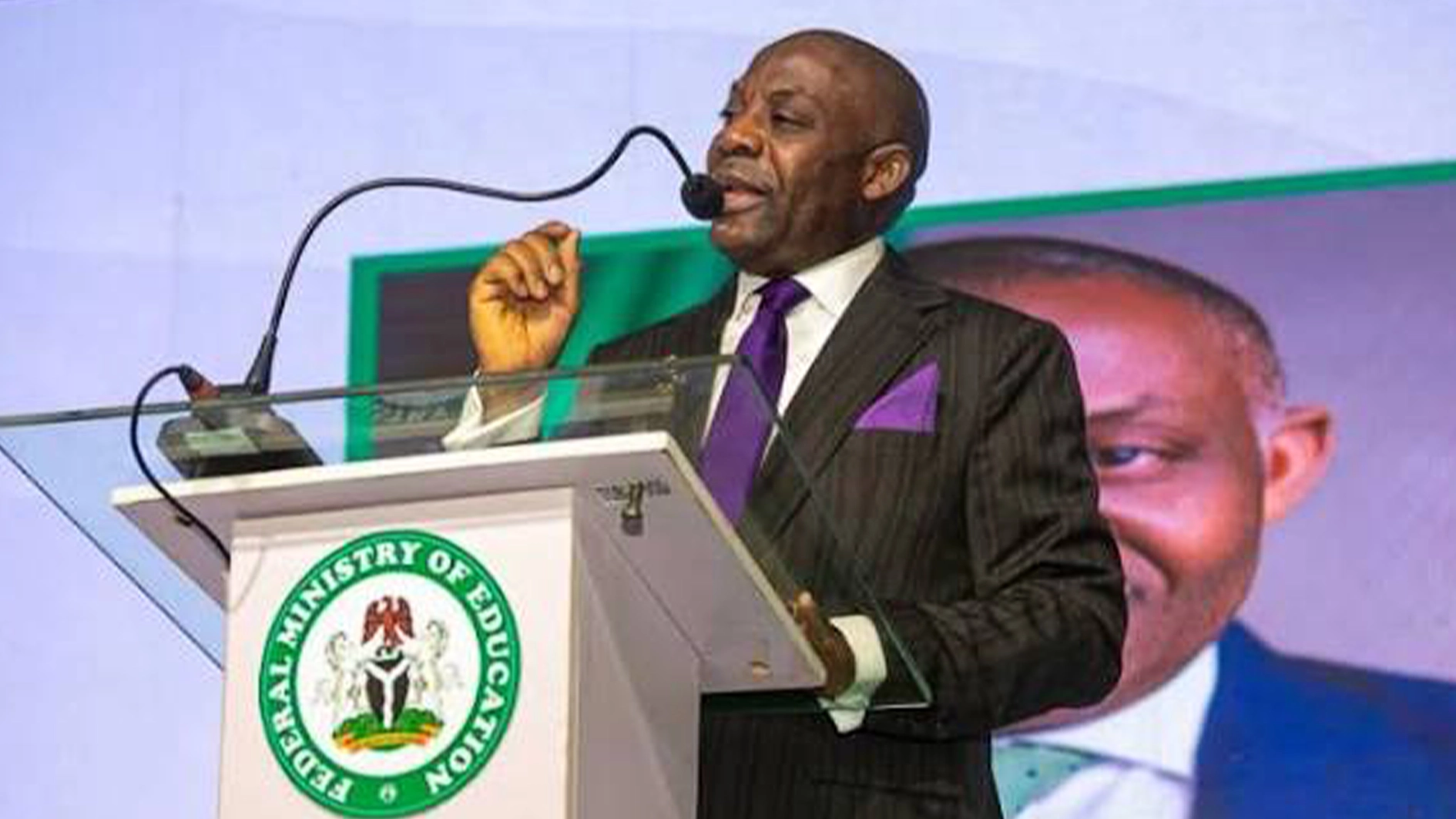
As part of efforts to encourage national development, a Professor of Geography at the University of Lagos (UNILAG), Mayowa Fasona, has urged the Federal Government to restore Geography as an elective subject for both science and humanities students across the country’s secondary schools.
Fasona said the restriction of Geography to science students under the revised Senior Secondary School Curriculum has contributed to declining enrolment in the subject at the Senior School Certificate Examination level, and subsequently affected admission into Geography programmes in Nigerian universities.
He made the call in an article titled ‘Bring back Geography for national development,’ in which he highlighted the importance of the subject in addressing Nigeria’s development challenges.
According to him, the declining number of secondary school students taking Geography poses a serious threat to the discipline’s future, as many departments are experiencing a drop in undergraduate enrolment.
He explained that the exclusion of Humanities and Business students from offering Geography has significantly reduced the pool of candidates eligible to study the subject at university, where a credit pass in Geography is traditionally a requirement for admission into B.Sc. Geography programmes.
Fasona also identified the introduction of additional compulsory subjects under the revised curriculum as another factor contributing to the decline, noting that science students now have limited room to choose Geography as an elective.

He argued that the curriculum changes have failed to adequately consider the interdisciplinary nature of Geography, which spans the sciences, social sciences, environmental studies, and economic planning.
He further warned that the declining interest in Geography could have far-reaching consequences for national development, given the subject’s contributions to land management, environmental protection, national security, urban planning, transportation, agriculture, public health and disaster management.
The don further identified poor teaching capacity, shortage of qualified teachers and inadequate practical instruction in map reading and other technical aspects of the subject as additional challenges affecting students’ interest in Geography.
He warned that the continued decline in the number of students offering Geography could force some departments to reconsider their admission requirements and redesign their curricula to accommodate candidates without prior knowledge of the subject.
Citing History, which was restored to the secondary school curriculum following concerns about its decline, Fasona urged the government to take urgent steps to safeguard Geography education.
Specifically, the don called on the Association of Nigerian Geographers to engage the Nigerian Educational Research and Development Council (NERDC) to review the curriculum and make Geography available to students across the science and humanities streams.
He also urged the association to develop a strategic plan for revitalising the teaching and learning of Geography in secondary schools.

