 Get Guardian on Google
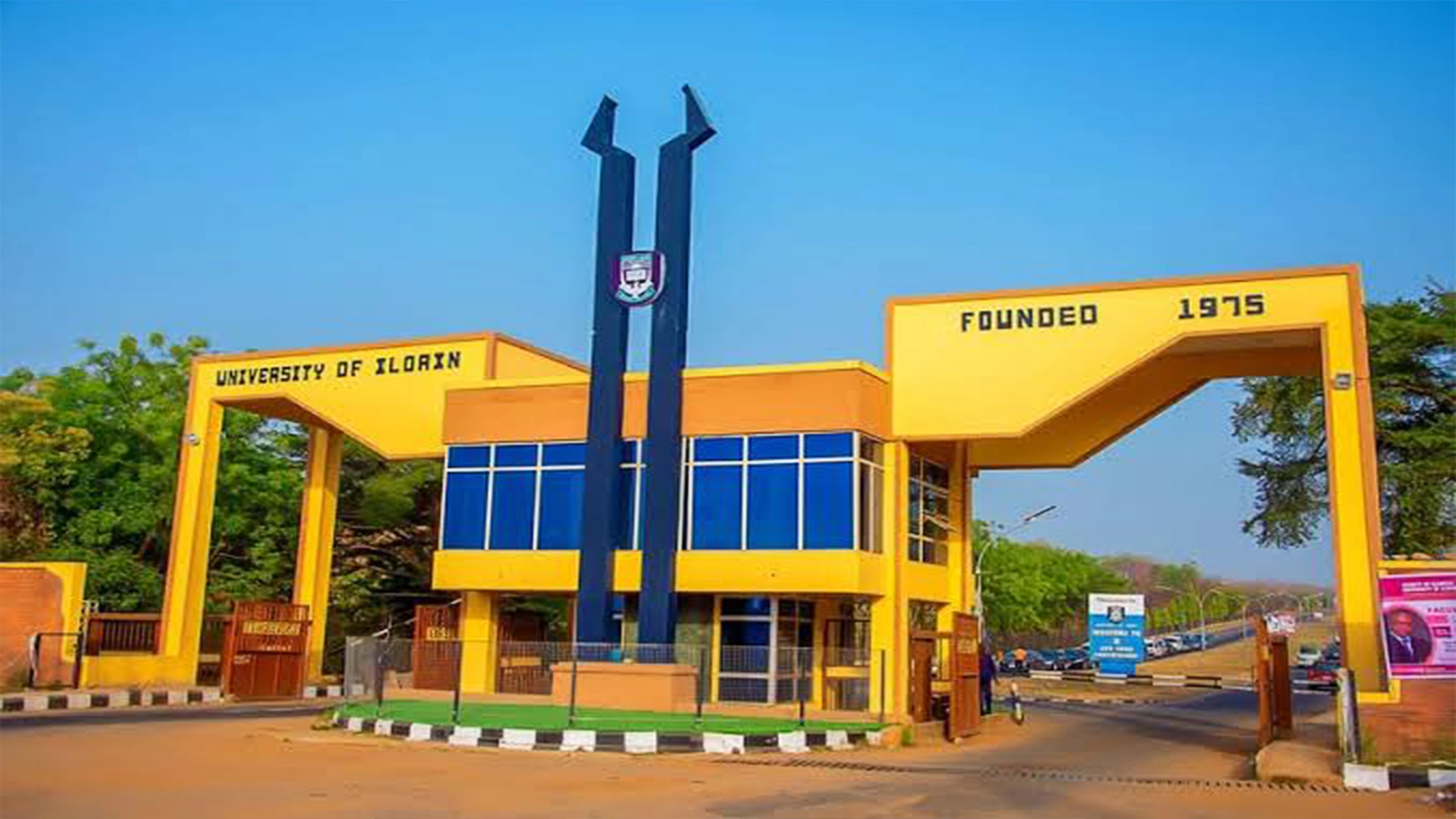
The University of Ilorin, at the weekend, beat 15 other tertiary institutions to win the maiden Kwara Campus Poetry Championship (KCPC) in a statewide contest.
The contest is designed to discover emerging talents and promote poetry as an instrument of social engagement, cultural expression, and nation-building.
The grand finale, held on Saturday, at the Ilorin Innovation Hub, brought together students, academics, writers, poets, government officials, and cultural stakeholders for a celebration of creative expression and youthful ingenuity.
The University of Ilorin secured the Abdulrasheed Na’Allah first position prize with a cash prize of ₦1 million, while the Kwara State College of Nursing came second with ₦500,000.
The Grand Plus College of Education finished third, receiving ₦250,000 in the championship convened by Dr. Mohammed Al-Amin, in the Department of English and Literary Studies at the state University (KWASU), Malete, through the Ilorin Creative and Cultural Foundation (ICCF).
The competition, themed: “Poetry as a Catalyst for Gender Relations, Social Responsibility and Shared Nation-Building,” provided a platform for participating students to demonstrate their abilities in poetry writing, interpretation, performance and artistic presentation.
The event began on October 3, with a capacity-building workshop at the same venue to prepare participants through practical engagements in creative writing, poetry appreciation, performance poetry, and spoken-word presentation.
During the workshop, participants engaged established scholars, writers, and creative practitioners on the place of poetry in contemporary society and its potential as a tool for intellectual development, cultural preservation, and social transformation.
Prof Remi Raji-Oyelade of the University of Ibadan delivered the keynote address, while Prof Razinat Talatu Mohammed of the University of Abuja and Dr. Akinlolu Olusegun, popularly known as Beautiful Nubia, were guest speakers, with the latter joining virtually.
Former Vice-Chancellor of KWASU and the University of Abuja, Prof Abdulrasheed Na’Allah, also addressed participants as Distinguished Guest Speaker, emphasising the importance of creativity, education and literary expression in youth development and empowerment.
The speakers encouraged the emerging poets to develop their creative abilities, embrace originality, and recognise poetry as more than an artistic exercise, but also a means of documenting experiences, interrogating social realities, and preserving cultural identities.
Meawhile, the grand finale attracted prominent personalities, including the member representing Ilorin West/Asa Federal Constituency in the House of Representatives, Hon. Mukhtar Tolani Shagaya, who chaired the occasion; the Emir of Ilorin, His Royal Highness, Dr. Ibrahim Sulu-Gambari, represented by the District Head of Alapa, Alhaji Saka Yusuf; and the Kwara State Commissioner for Environment, Mrs. Nafisat Buge.
In his opening remarks, the convener, Dr. Al-Amin said the championship was conceived to celebrate ideas, identify promising creative talents, and provide young people with an organised platform to express their thoughts and engage issues affecting society.
Shagaya acknowledged the relevance of poetry within the creative arts and encouraged participants to maintain originality in their creative expressions.
Beyond the institutional competition, the maiden edition also featured the ARA Aderinoye Literary Prize, an initiative designed to recognise emerging poets whose works engage the championship’s central themes.
The prize attracted over 70 entries, with eight poets eventually shortlisted across the Kwaran and Non-Kwaran categories.
Princess Shiloh Owolabi emerged winner in the Kwaran category with her poem, We Rise on the Same Soil, while Salami Olatunji Yusuf won Non-Kwaran category with The Throne and the Anvil. Their victories were announced at the grand finale.
With 16 tertiary institutions participating in its inaugural edition, KCPC has established an initial foundation for a campus-based poetry movement in Kwara State, placing young people’s voices at the centre of conversations about gender, citizenship, culture and the future of society.