 Follow Us on Google News


 Follow Us on Google Discover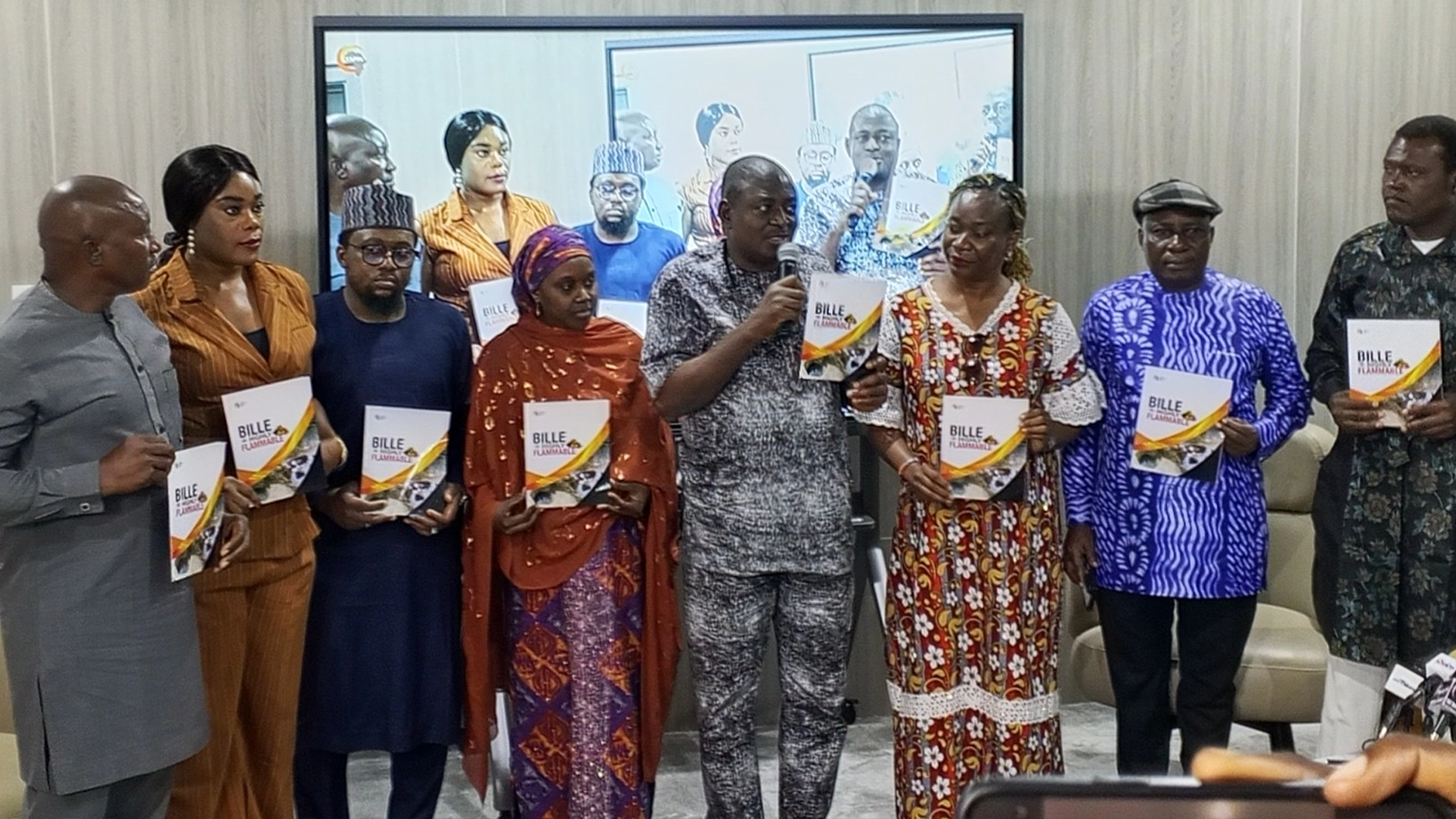
Civil society organisations and residents of Bille community in Degema Local Government Area of Rivers State have called on the Federal Government to declare an emergency over the escalating gas emissions in the community, warning that continued inaction could result in a major disaster.
The call was made on Wednesday in Abuja at the media presentation of a documentary and report titled “Bille Is Highly Flammable,” produced by Corporate Accountability and Public Participation Africa (CAPPA) to document the environmental and health crisis confronting the oil-producing island community.
CAPPA Executive Director, Akinbode Oluwafemi, said residents had reported gas bubbling from wells, compounds, creeks, mangrove swamps and school grounds since October 2025.
According to him, the crisis has resulted in polluted air, contaminated groundwater, fires, health problems and disruption of children’s education, while threatening the traditional fishing-based livelihoods of residents.
Oluwafemi said a CAPPA field visit to Bille on July 6, 2026, revealed residents suffering from rashes, persistent itching and other health complaints, while some reported respiratory problems and vomiting.
He said the most disturbing aspect of the crisis was the fear among residents that accumulated gas could ignite at any time.

“Imagine having to think twice before cooking or performing domestic activities in your own home because you do not know whether an invisible gas accumulating around you could ignite,” he said.
The CAPPA executive director said government agencies, including the National Oil Spill Detection and Response Agency (NOSDRA), Nigerian Upstream Petroleum Regulatory Commission (NUPRC), Federal Ministry of Environment and Federal Ministry of Petroleum Resources, had inspected affected locations and collected soil, water and gas samples.
He added that investigations had reportedly detected elevated concentrations of methane, hydrogen sulphide and carbon dioxide, as well as groundwater contamination and deteriorating air quality.
Oluwafemi, however, said emergency interventions provided to the community remained inadequate.
He particularly cited a fire truck donated by NNPC Limited, which he said was locked and unused because there was no trained operator or emergency crew assigned to it.
He also noted that much of Bille could only be accessed through narrow pedestrian paths, limiting the usefulness of conventional emergency-response vehicles.
CAPPA called for the public release of the results of environmental and health tests already conducted, a comprehensive audit of oil and gas infrastructure in Bille, and the repair, isolation or decommissioning of unsafe facilities.
The organisation also demanded continuous provision of potable water, free medical screening and treatment, health surveillance, temporary learning facilities, an emergency response and evacuation plan, livelihood support and timely compensation for affected households.
The people of Bille, it said, must be placed at the centre of investigations and decisions concerning the crisis.
The Vice President Bille Kingdom youth federation, Mr. Timothy Agunbiade, said the situation had continued to deteriorate, with areas that previously had no visible gas activity now experiencing bubbling.
Agunbiade described the development as a gas leakage rather than seepage, alleging that the emissions were increasingly affecting residents’ health and livelihoods.
He said his wife had developed persistent rashes, while other residents had complained of throat dryness, loss of voice and other health problems.
According to him, the crisis has also devastated mangroves and fishing activities, leaving residents trapped in a dangerous environment.
“Bille is like a cage. First thing first, this thing has to stop,” he said.
Agunbiade, who identified himself as a trained disaster manager, expressed fears that the emissions could be coming from ageing or abandoned oil and gas infrastructure and warned of the possibility of a major fire or explosion.
He also criticised the government’s response, saying the fire truck and fire extinguishers provided to the community were inadequate without trained personnel and a comprehensive emergency-response system.
He alleged that four major fire incidents had occurred in the community, including one on May 14 that nearly claimed four lives.
Agunbiade further called for urgent action to address the underlying cause of the emissions before attention was shifted to the damage already suffered by residents.
Founder and Team Lead, Miideekor Environment development initiative, Comrade Celestine Akpobvare, who said he visited Bille on June 13, described what he witnessed as alarming and urged the government to declare a state of emergency in the community and across affected parts of the Niger Delta.
Akpobvare criticised the level of government assistance to Bille, describing the reported release of N100 million to the community as inadequate in view of the scale of the crisis.
He said the government should consider evacuating residents if scientific assessments establish an imminent danger of explosion or other catastrophic consequences.
He also urged the government to review oil and gas divestments in the area to ensure that abandoned or ageing infrastructure did not pose further danger to host communities.
For Ahmad Abdulsamad of the Natural Resources Governance Institute, the Bille crisis illustrated the consequences of weak enforcement of existing environmental regulations.
He said Nigeria did not necessarily need more environmental policies but stronger implementation, insisting that solutions must involve communities from the grassroots to the national level.
He also questioned the deployment of a fire truck as a response to a crisis whose underlying causes, he said, remained unresolved.
Similarly, Ahmed Lawal of the Centre for Leadership Strategy and Development (Centre LSD) described the situation as depressing and warned that Bille was facing a potentially devastating environmental and humanitarian crisis.
Lawal said the government needed to respond more decisively to issues affecting vulnerable communities, stressing that sustained public pressure had previously contributed to progress in addressing environmental challenges in the Niger Delta.
He urged CAPPA and other civil society organisations to mobilise wider public support for urgent intervention in Bille.
The stakeholders stressed that beyond the immediate environmental concerns, the Bille crisis raises broader questions about public health, human dignity, environmental justice, corporate accountability and the responsibility of government to protect citizens.
CAPPA consequently urged the media to sustain coverage of the crisis, track government commitments and ensure that the voices of Bille residents remain part of the national conversation until a lasting solution is found.

