 Follow Us on Google News
 Follow Us on Google Discover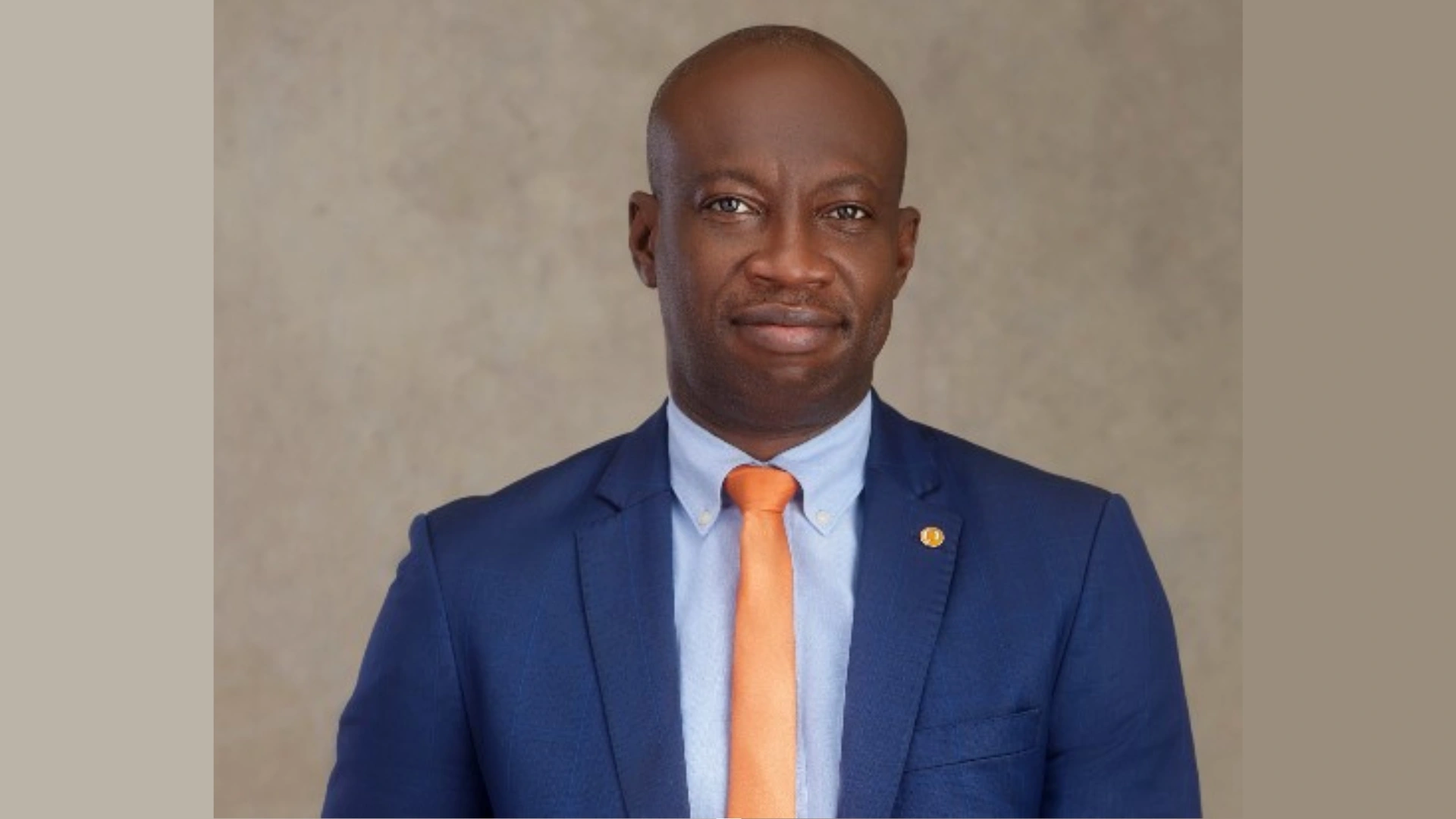
The Managing Director and Chief Executive Officer of Transafam Power Limited, Vincent Ozoude, has said gas-fired generation will remain the backbone of Nigeria’s electricity system for years to come, despite the continued growth of renewable energy technologies.
Speaking during a panel session titled Re-Engineering Africa’s Power Market: Driving Reliable Energy Systems at the NOG Energy Week in Abuja, Ozoude said Nigeria’s energy future would depend on strengthening the gas value chain, sustaining market reforms and embracing digital technologies to improve electricity supply.
He argued that while renewable energy would continue to play an increasingly important role in Africa’s energy mix, gas-fired generation remains indispensable for maintaining grid stability and meeting the country’s baseload electricity requirements.
“Solar energy is an important part of the energy future in Africa and Nigeria, but gas-fired generation will continue to stabilise Nigeria’s grid. Renewables alone cannot carry the base load today. Gas remains critical to ensuring reliable, stable electricity,” he said.
Ozoude noted that Nigeria’s vast natural gas reserves provide the country with a significant opportunity to bridge the gap between installed generation capacity and the electricity ultimately delivered to homes and businesses.
“Nigeria is rich in gas. The priority is to invest across the gas value chain so we can unlock more reliable power generation,” he said.

According to him, expanding investment in existing gas-fired power plants and gas processing infrastructure would increase available generation capacity and improve electricity supply nationwide.
“When we invest in upgrading existing gas-fired power plants, as well as gas processing plants, we increase available capacity and deliver more electricity to Nigerians,” he added.
Ozoude also highlighted the growing importance of digitalisation in the power sector, saying smart grid technologies would improve operational efficiency and support the integration of multiple energy sources.
“Digitalisation and smarter grid systems are essential for the next phase of Nigeria’s power sector development. Smart technologies improve efficiency and enable better integration of different energy sources with guaranteed dispatch,” he said.
He maintained that gas-fired power stations would continue to underpin Nigeria’s electricity network even as renewable energy deployment expands.
Other panellists at the session included the Managing Director and Chief Executive Officer of the Rural Electrification Agency, Abba Abubakar Aliyu, Managing Director of Siemens Energy West Africa, Seun Sulaiman, while Oghosa Arhahon, Policy and Markets Manager at the Long Duration Energy Storage Council, moderated the discussion.
Ozoude also highlighted Transafam Power’s operational performance since Transcorp Group acquired the Afam GenCo assets. According to him, electricity generation at the plant has increased from 48 megawatts at acquisition to 348 megawatts, representing growth of about 625 per cent over the past five years.
Together with its sister company, Transcorp Power Plc, Transafam Power accounts for about 20 per cent of Nigeria’s thermal power generation capacity.

