
 Get Guardian on Google
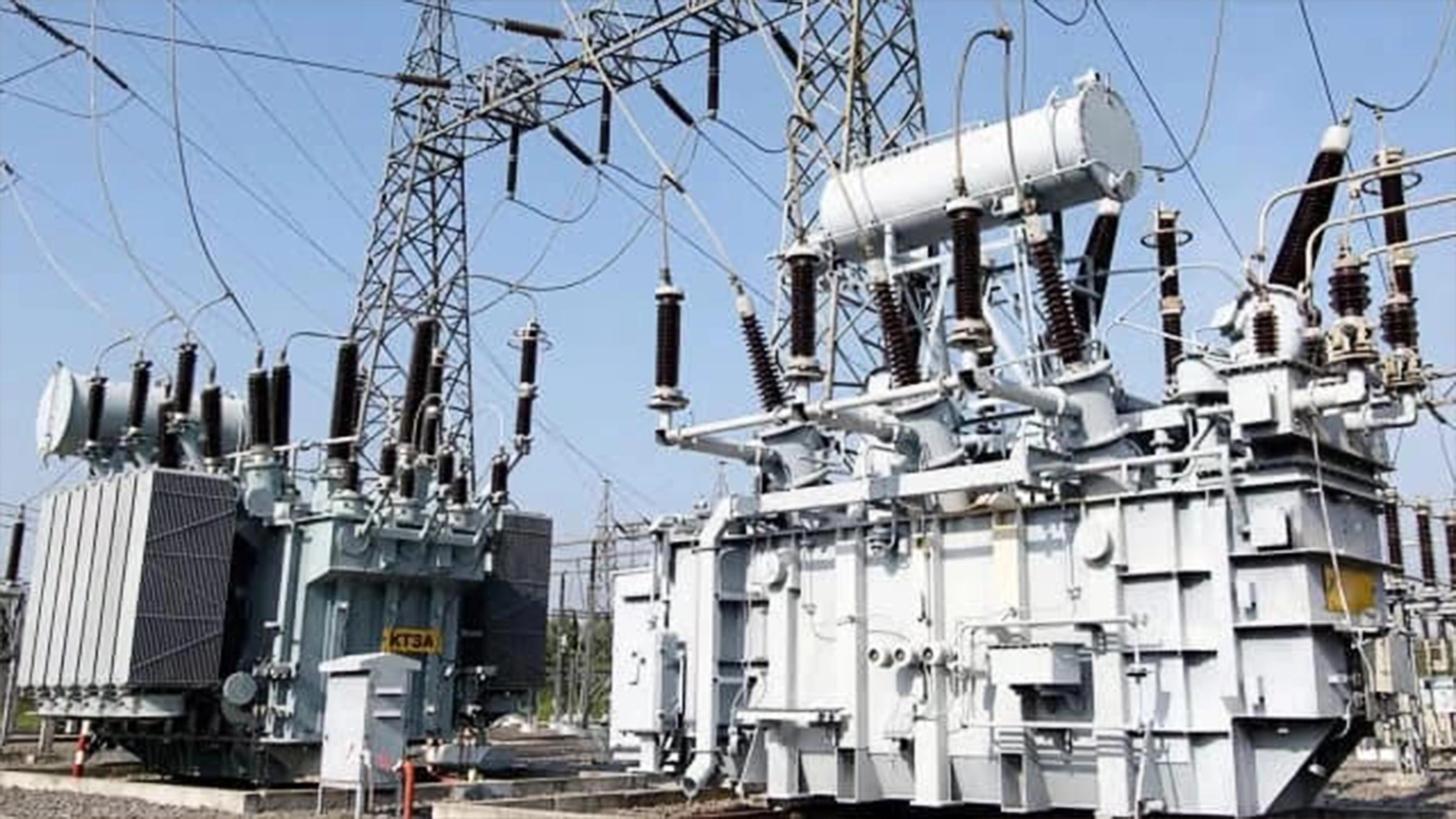
The Nigerian Independent System Operator (NISO) has dismissed reports of a national grid collapse, attributing Saturday’s power disruption to faults that affected four transmission lines.
The operator said the incidents triggered significant load losses in parts of the country but did not result in a total breakdown of the national electricity grid.
In a statement signed by its management, NISO explained that the disturbance began at 12:34 pm on Friday when the Omotosho–Ikeja West transmission line tripped, causing a significant drop in electricity supply within the Lagos Complex.
The situation escalated at 12:50pm following the tripping of three other transmission lines: Ihovbor–Oshogbo, Benin–Egbin and Ihovbor–Ajaokuta.
The multiple incidents resulted in further load losses across some parts of the country.
However, NISO said its operational teams immediately activated emergency response measures in collaboration with the Transmission Company of Nigeria (TCN) to stabilise the grid.
The intervention enabled the teams to address the disturbances and restore the affected transmission lines.
NISO confirmed that all four lines had returned to normal operation by 2:49pm on Saturday.
The operator urged electricity consumers not to mistake the transmission line disturbances for a nationwide grid collapse.
It said, “The incident was a transmission line disturbance and not a system-wide collapse.”
NISO also reaffirmed its commitment to maintaining grid stability, coordinating electricity system operations and ensuring the reliable and secure operation of the national grid.
It urged members of the public to rely on its official communication channels for accurate information about developments in the country’s electricity system.
Nigeria has continued to grapple with electricity supply challenges, with grid disturbances and infrastructure limitations periodically affecting power delivery to consumers across the country.