At a recent summit, stakeholders in the transport sector chronicled challenges and prospects in the industry while advocating innovative support for the operators, OLUSEGUN KOIKI writes.
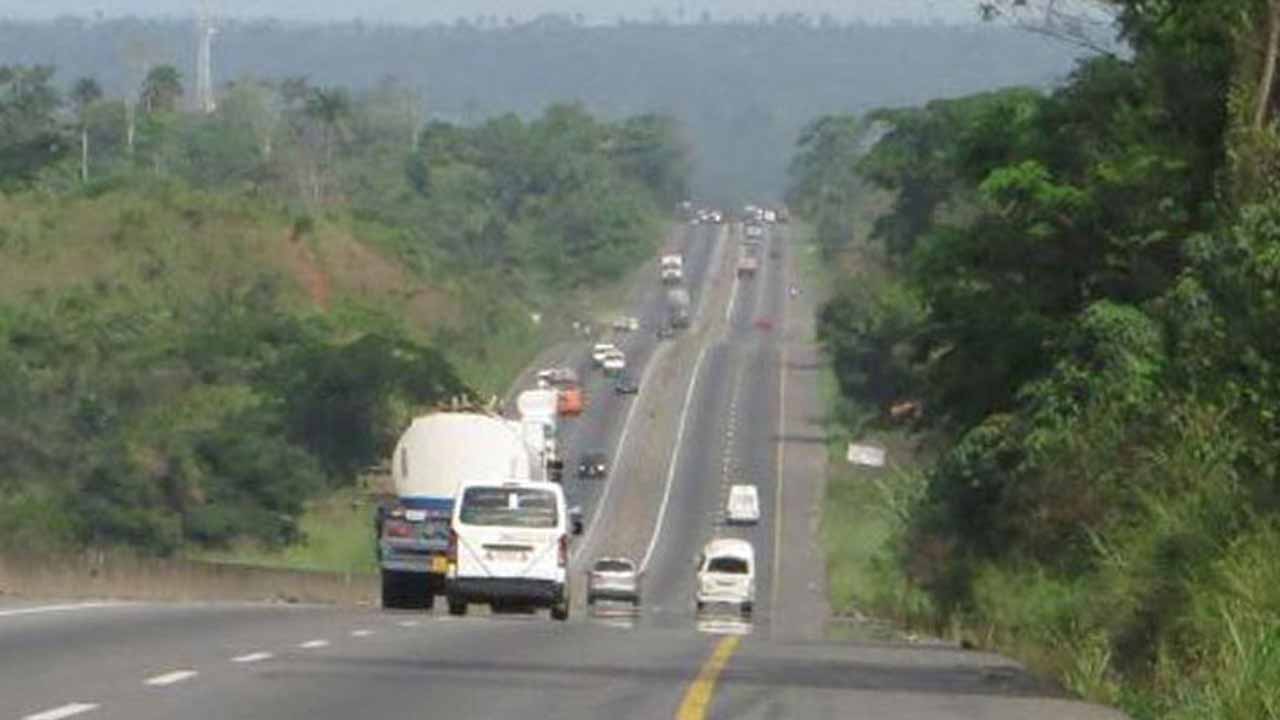
Nigeria’s economic heartbeat is being choked by its failing transport infrastructure. From crumbling highways and inefficient ports to financially-struggling airlines, yet experts in the sector believe that, despite the struggle, there is an opportunity for rebirth and growth.
At the Nigeria Transport Infrastructure Summit 2025, held in Lagos, stakeholders and experts across the transport spectrum – road, rail, aviation, and maritime – converged with a unified goal – the search for innovation, collaboration and financing reform.
Participants at the one-day summit with the theme: ‘Nigeria’s Transport Infrastructure: Innovation for a Sustainable Future,’ said that the above are keys to unlocking Nigeria’s transport future.
The Chairman of the summit, Fola Tinubu, set the tone with a frank assessment of transportation, saying that it is far more than the movement of people and goods.
Tinubu, who is also the Managing Director of Primero Transport Services Ltd, said that transportation is the lifeblood of national development.
He declared that no economy could thrive without an efficient transport system, adding that the sector connects people, drives trade, supports industries and fuels national growth.
Besides, Tinubu acknowledged the country’s chronic challenges, which were overstretched roads, limited rail coverage, ageing ports, and underperforming airports, but insisted these weaknesses were also opportunities for reform and renewal.
He called for a national embrace of technology-driven mobility, cleaner energy, and intelligent traffic management systems.
He added, “All over the world, technology is transforming transportation. Electric buses, smart ticketing, and cleaner energy are redefining movement and Nigeria has the talent to do the same.”
Tinubu urged closer collaboration among the government, private sector and development partners, insisting that no single agency could tackle the transport crisis alone.
Also, Lagos State University’s Professorial Chair on Transport Studies, Prof. Bamidele Badejo, in his keynote address, painted a sobering picture of Nigeria’s transport landscape.
He described the system as the lifeline of human existence, but regretted that the sector is crippled by neglect and fragmentation.
Badejo declared that without an efficient transport system, Nigeria’s economic and social growth would remain stunted.
He identified infrastructure deficit, policy inconsistency and fragmented regulation as major impediments to progress.
According to him, over 90 per cent of passenger and freight movement still depended on the road network, while rail, air, and water transport remained underdeveloped.
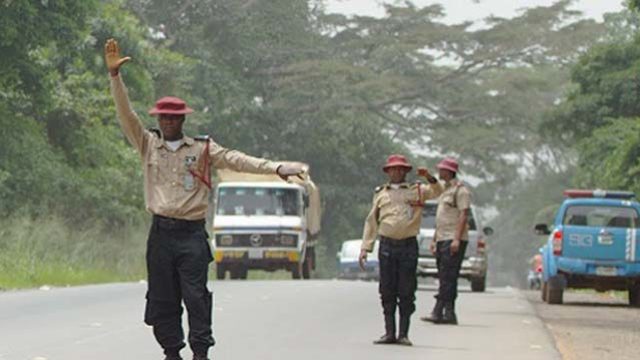
Badejo listed further challenges in the sector to include inadequate funding, energy instability, poor data systems, indiscipline among operators, and a proliferation of uncoordinated transport agencies.
Despite this bleak reality, he expressed optimism that Nigeria could “leapfrog decay” through innovation, just as it did in the telecommunications revolution.
“Transportation is highly susceptible to technological dynamics. Innovation, digital mobility, and clean energy adoption are essential for sustainability,” he said.
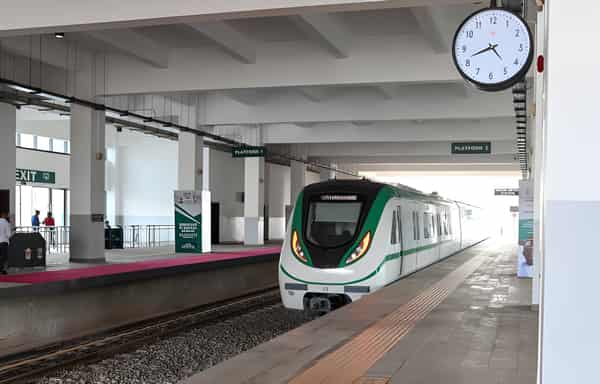
Badejo, who was once a Commissioner for Transportation in Lagos, advocated for an integrated multimodal transport framework that links road, rail, air, and water systems in harmony with sustainable land use and green technology, financed by private sector participation and long-term planning.
Aviation as weakest link
While the broader transport system struggles with inefficiency, Nigeria’s aviation sector faces a more existential crisis – capital starvation.
At the summit, aviation experts warned that without affordable access to aircraft and spare parts, local airlines would continue to collapse.
Badejo expressed that the creation of a national aircraft leasing company was not just an economic decision, but a national necessity, stressing that without affordable access to aircraft, the nation’s airlines would continue to struggle, and the entire aviation value chain would remain fragile.
Other participants, including the President of the Aircraft Owners and Pilots Association of Nigeria (AOPAN), Dr Alex Nwuba and former Rector of the Nigerian College of Aviation Technology (NCAT), Capt. Samuel Caulcrick urged the Federal Government to establish a national aircraft leasing company to provide low-interest rates to the dollar-denominated sector.
Nwuba argued that Nigerian airlines were not dying because they were unprofitable, but because the financial environment had been structurally built to strip them of liquidity.
He highlighted the high-interest domestic borrowing environment, which stands between 28 and 34 per cent compared to global financing at 1 to 4 per cent.
He pointed out that aviation fuel alone consumed between 40 and 50 per cent of airlines’ total costs and noted that taxes and multiple charges from regulatory agencies worsen their plight.
“The real tragedy is that every other service provider in aviation – terminals, ground handlers, fuel marketers- makes a profit, while the airlines that sustain the ecosystem bleed,” he said.
He charged the government to use its sovereign strength to access cheap credit globally, buy aircraft in bulk and lease them to Nigerian airlines at single-digit interest rates.
Also, the Chief Executive Officer of JustAlive Communications Ltd, organisers of the summit, Mrs Pearl Ngwama, stressed that transportation contributed significantly to national development, accounting for 6.53 per cent of Nigeria’s Gross Domestic Product (GDP) in 2024.
Ngwama, however, said that the sector required deeper investment and innovative financing to reach its full potential.
Also, she called for the implementation of practical outcomes from the summit under President Bola Tinubu’s Renewed Hope Agenda, including stronger private sector involvement, digital logistics, and green mobility adoption.
She said: “Transport is the bloodstream of the economy. When it flows freely, the organs of the economy thrive; when it is weak, growth is stunted.”