 Follow Us on Google News


 Follow Us on Google Discover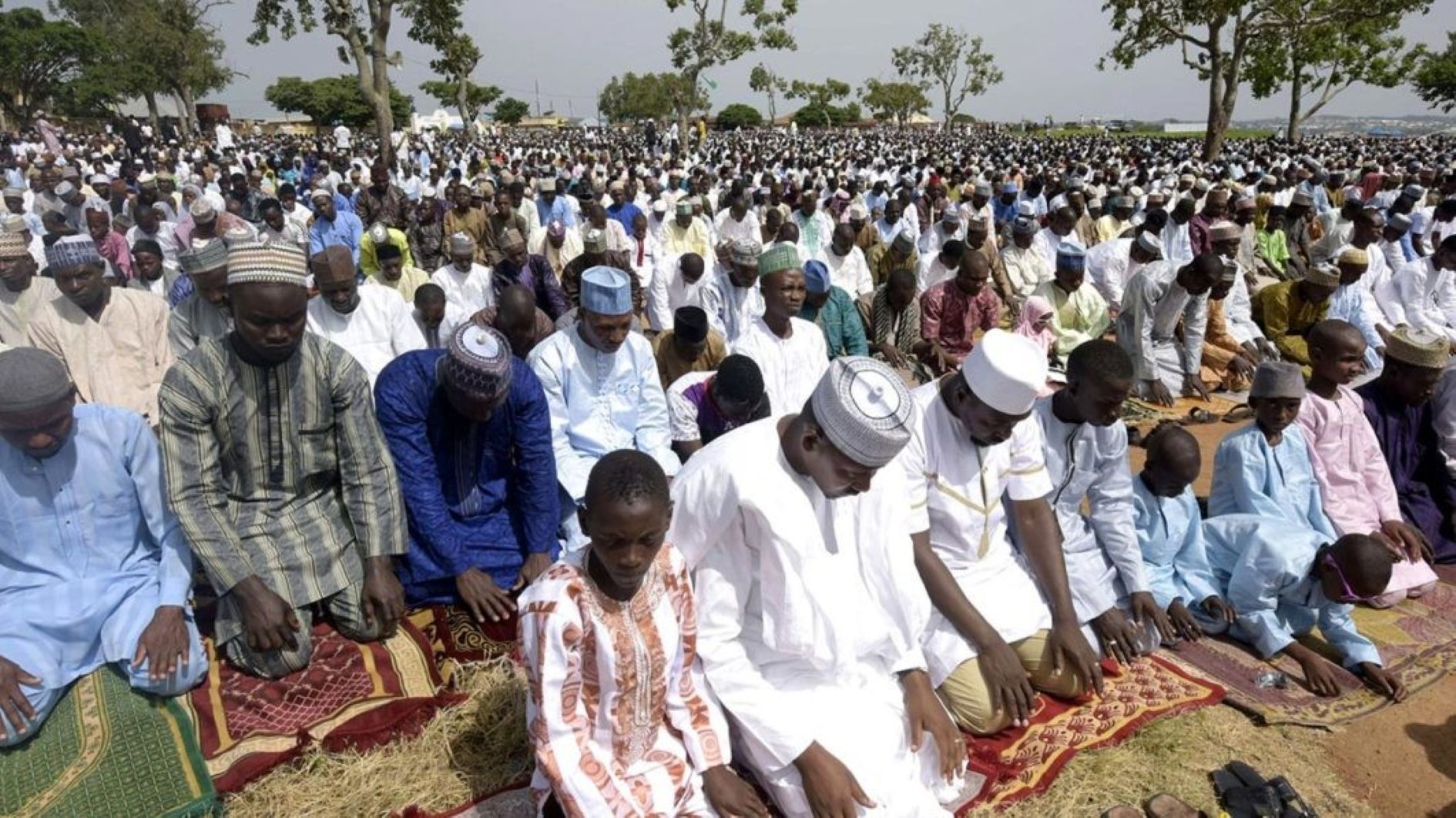
By Kabir Alabi Garba
In the Name of the Almighty, the Beneficent, the Merciful
“And when My Servants ask you concerning Me, indeed I am near. I respond to the supplicant when he calls upon Me.” Qur’an 2:186
On September 30, 2026, Muslims from different parts of Nigeria gathered at the Abuja National Mosque for a Special National Prayer organised by the Nigerian Supreme Council for Islamic Affairs (NSCIA). Under the leadership of the President-General of the Council and Sultan of Sokoto, His Eminence Alhaji Muhammad Sa’ad Abubakar, the gathering sought Allah’s guidance, protection and blessings for Nigeria, praying for peace, security, unity, good governance and sustainable development.
In a nation confronted by economic uncertainty, insecurity, social divisions and the burdens of development, such a gathering carried a profound message: there are moments when societies must pause, humble themselves and recognise that human effort alone is not sufficient. There is a place for policy, leadership, planning and institutions, but there is also a place for prayer.
In Islam, prayer — dua — is not merely a ritual utterance of words. It is an act of worship, an expression of humility and a declaration that ultimate power belongs to Allah. The Qur’an captures this relationship beautifully: “And your Lord says: Call upon Me; I will respond to you.” (Qur’an 40:60)

Prayer occupies a central place in the life of believers because it affirms dependence upon God while inspiring hope, patience and moral responsibility. This applies not only to individuals but also to communities and nations.
The Qur’an itself provides a remarkable example through Prophet Ibrahim (AS). When he settled his family in the barren valley that later became Makkah, his first concern was not wealth or material comfort; it was peace and security. He prayed: “My Lord, make this a secure city and provide its people with fruits.” (Qur’an 2:126)
In another verse, he supplicated: “My Lord, make this city secure and keep me and my children away from idolatry.” (Qur’an 14:35)
These prayers reveal a timeless truth: security, moral uprightness and prosperity are interconnected. A nation cannot thrive where fear dominates, where injustice prevails or where moral values are neglected.
For Nigeria, this lesson remains deeply relevant. Every citizen desires peace, stable institutions, economic progress and harmonious coexistence. Yet prayer in Islam is never separated from responsibility. Muslims are taught that dua is not an escape from effort, nor is it a substitute for ethical conduct.
A famous saying of Prophet Muhammad (peace be upon him) illustrates this principle. When a man asked whether he should leave his camel untied and simply trust in Allah, the Prophet replied: “Tie it and rely upon Allah.”
The lesson is clear: trust in God must be accompanied by responsible action.
Praying for peace while promoting hatred is a contradiction. Asking God for justice while participating in injustice is self-defeating. Seeking prosperity while tolerating corruption undermines the very future one hopes for.
This is why the Qur’an reminds humanity: “Indeed, Allah does not change the condition of a people until they change what is within themselves.” (Qur’an 13:11)
National transformation, therefore, is not merely a matter of government policy or economic strategy; it also requires moral renewal. The integrity of institutions depends ultimately on the integrity of the people who run them. The quality of leadership often reflects the values cherished by society.
Imagine a country where public officials regard their positions as sacred trusts; where businesspeople reject dishonesty; where citizens obey laws, respect one another and reject ethnic or religious hostility. Such values are not only civic virtues; they are spiritual responsibilities.
The Qur’an repeatedly links social wellbeing with justice. Allah (SWT) says: “Indeed, Allah commands justice, excellence and giving to relatives, and forbids immorality, wrongdoing and oppression.” (Qur’an 16:90)
This divine command extends beyond personal morality into public life. Justice in leadership, fairness in governance, accountability in public service and compassion for the vulnerable are all foundations upon which stable societies are built.
The Prophet Muhammad also warned leaders and citizens alike about the consequences of injustice: “Beware of the supplication of the oppressed, for there is no barrier between it and Allah.” (Sahih al-Bukhari and Sahih Muslim)
This warning should resonate in every society. The cries of the poor, the marginalised, victims of violence, those denied justice and those burdened by hardship are not insignificant. A nation that seeks peace must strive to reduce the causes of suffering and injustice.
Nigeria’s diversity — ethnic, religious and cultural — is often described as a challenge. Yet diversity can also be a strength when managed with wisdom and mutual respect. The Qur’an encourages unity and cooperation: “Hold firmly to the rope of Allah all together and do not be divided.” (Qur’an 3:103)
National cohesion does not require uniformity. It requires understanding that differences need not become sources of hostility. Peaceful coexistence, respect for human dignity and a shared commitment to the common good are indispensable for progress.
The Special National Prayer organised by the NSCIA should therefore be seen as more than a ceremonial gathering. It was a reminder that prayer and action must walk together. Citizens and leaders alike have responsibilities. Prayer asks for divine assistance, while action demonstrates sincerity.
Perhaps the most profound national supplication is not merely, “O Allah, change Nigeria,” but also, “O Allah, change us.” Change dishonesty into integrity. Change selfishness into service. Change hatred into understanding. Change indifference into compassion. Change corruption into accountability. Change division into unity.
Nations are not abstract entities. A country is shaped by the character of its people, the values of its institutions and the conduct of those entrusted with authority.
Prayer remains powerful because it changes both circumstances and hearts. It reminds human beings that while policies, resources and institutions are necessary, moral and spiritual foundations are equally important.
As Nigeria continues its journey through challenges and opportunities, prayer should remain a source of hope, but hope must inspire action. Citizens must work honestly, leaders must govern justly and communities must coexist peacefully.
For in the end, a nation that turns sincerely to God must also be willing to turn away from injustice, corruption, hatred and every conduct that undermines peace .
And perhaps that is the enduring message of the gathering at the Abuja National Mosque: that a better Nigeria will emerge not only from the prayers we offer, but from the kind of people those prayers help us become.

