 Get Guardian on Google

[ad]
Speaking at the CSO Quarterly Media Meeting under the Global Fund GC7 Malaria grant in Abuja, ACOMIN National Coordinator, Ayo Ipinmoye, said that the country can only win the war against malaria if it adopts a society and community approach.
Ipinmoye said that Nigeria has what it takes to eliminate malaria, adding that the withdrawal of funding support by the United States may be a blessing in disguise. “The communities have to awake and demand and participate in determining their own health outcomes.”
Ipinmoye, who stated that there is a nexus between malaria and poverty, said that the poorest countries of the world are the ones with the highest burden of malaria.
He noted that ACOMIN has been implementing the community level monitoring and stressed that communities are at the forefront of the strategic activities.
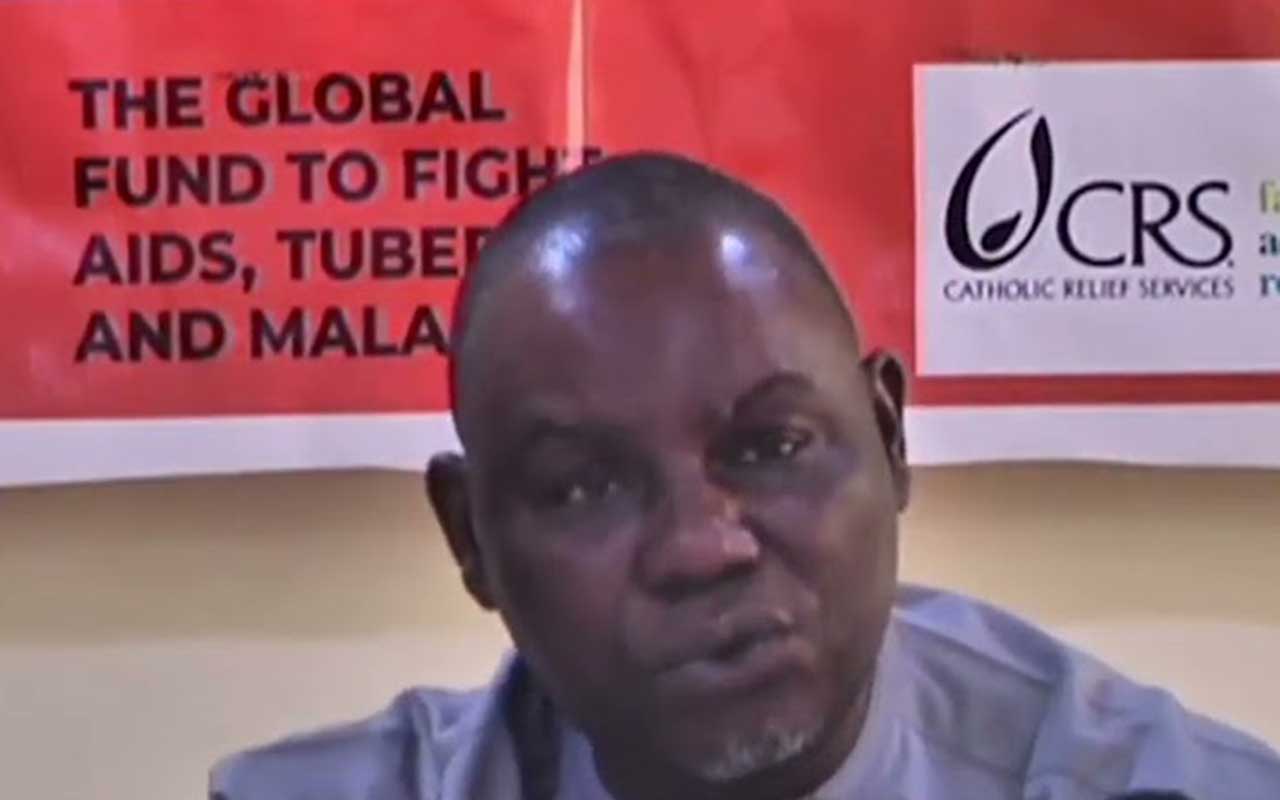
Ipinmoye noted that ACOMIN has been engaged by Catholic Relief Services (CRS) to implement the Community-Led Monitoring and Civil Society Coordination Components of the ongoing GC7 GF grant and is working with States, local councils and community-level partners to ensure that relevant stakeholders are delivering on their responsibilities and achieving expected results in the fight against malaria and other ATM diseases.
He stressed the need for the country to take advantage of all the interventions in the areas of rehabilitation of health facilities, building of boreholes and manpower training in the health sector to intensify the campaign for better health outcomes.
Also speaking, a researcher with the Nigerian Institute of Medical Research, Dr Adeogun Adedapo, noted that between 2012 and now, malaria prevalence in the country has reduced by half from 42 to 22 per cent.
[ad]