 Follow Us on Google News
 Follow Us on Google Discover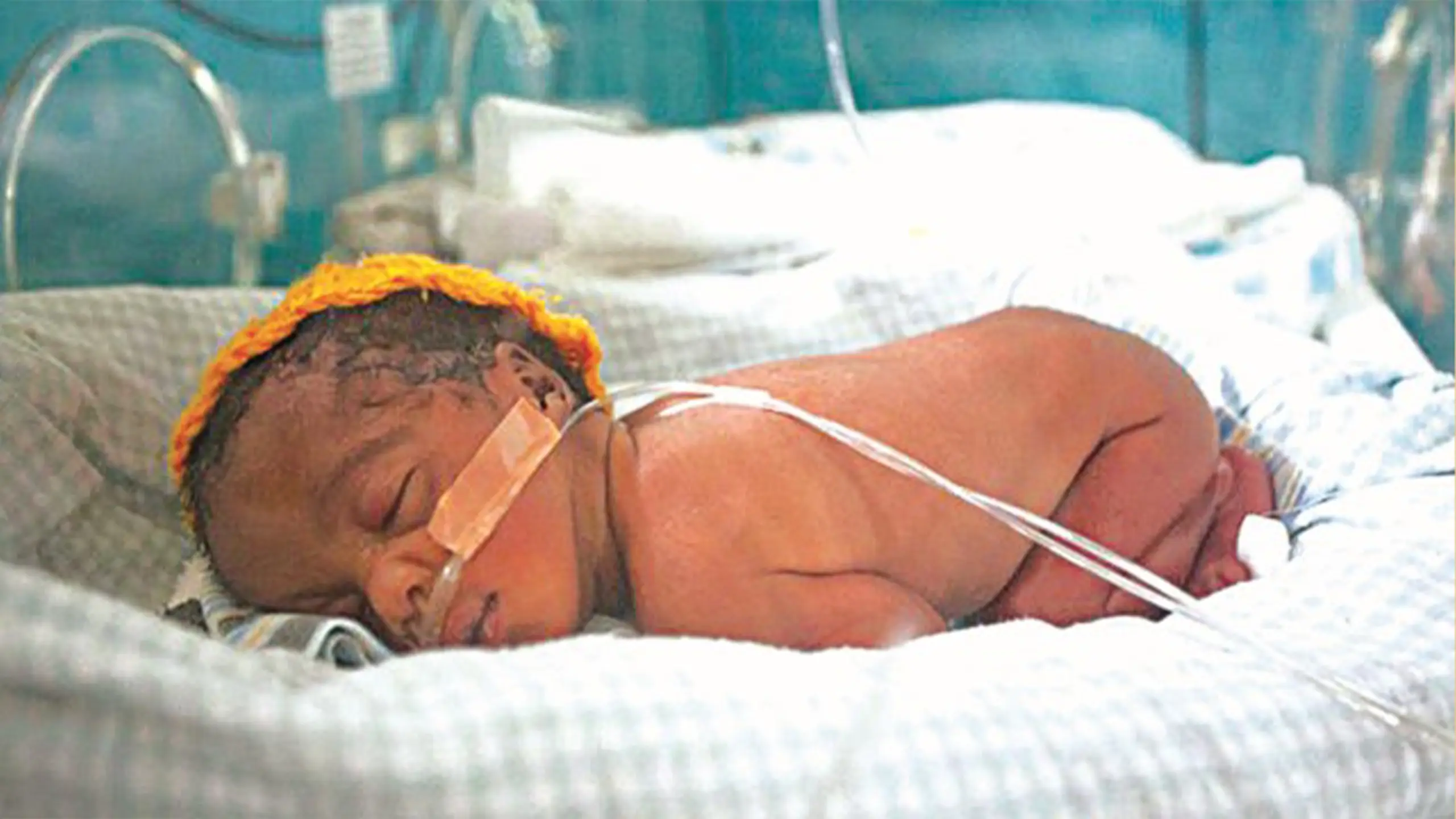
A Neonatologist, Dr Adegbajo Odedina, has identified inadequate antenatal care as the leading cause of premature births in Nigeria, revealing that about 45 per cent of preterm babies die annually from preventable complications.
Speaking during a media engagement, the Chief Medical Director of Haven Paediatric Practice said timely referral to specialist facilities equipped with trained personnel and modern neonatal equipment is critical to improving the survival of premature babies.
According to him, many pregnant women either fail to register for routine antenatal care or choose to deliver in churches and other unregulated settings, where pregnancy complications often go undetected until they become life-threatening.
He said pregnancy-induced hypertension, eclampsia, diabetes, untreated urinary tract infections, poor antenatal care and deliveries outside health facilities contribute to an estimated 700,000 to 800,000 premature births recorded annually in Nigeria.
Adegbajo also identified the growing use of in vitro fertilisation (IVF) as another factor, explaining that the transfer of multiple embryos frequently results in twin, triplet or higher-order pregnancies, increasing the likelihood of premature labour because of excessive stretching of the uterus.
He noted that Nigeria continues to record one of the world’s highest burdens of neonatal and under-five mortality, with complications arising from prematurity accounting for a significant proportion of these deaths.

According to him, between one in every eight and one in every 10 babies born in the country arrives prematurely.
The World Health Organisation (WHO) estimates that about 15 million babies are born prematurely worldwide every year, with complications from preterm birth remaining the leading cause of death among children under five. While almost all extremely preterm babies survive in high-income countries because of access to quality neonatal care, most die within days in low-income countries where specialised treatment remains largely inaccessible.
Adegbajo stressed that regular antenatal care enables healthcare providers to monitor blood pressure, blood sugar and infections, manage complications promptly and administer medications that accelerate foetal lung maturity when premature delivery becomes unavoidable.
Explaining why premature babies remain highly vulnerable, he said most are born with underdeveloped organs, particularly the lungs, making it difficult for them to breathe independently. Many are also unable to regulate their body temperature, maintain stable blood sugar levels or effectively fight infections.
He added that many newborn deaths occur because deliveries take place in facilities without healthcare workers trained in neonatal resuscitation or without the equipment needed to stabilise babies immediately after birth.
As a trainer in neonatal resuscitation and the Helping Babies Breathe programme, Adegbajo said improving newborn survival requires skilled healthcare workers, evidence-based clinical practice and specialised equipment.
He explained that extremely premature babies often require surfactant therapy because their lungs have not produced enough of the substance that keeps the air sacs open during breathing. Others require Continuous Positive Airway Pressure (CPAP) machines or mechanical ventilators until they can breathe independently.
Adegbajo also identified delayed referral of critically ill newborns as a major obstacle to survival. According to him, some hospitals continue managing premature babies despite lacking the expertise or equipment required, referring them only after their conditions have deteriorated significantly.
“Babies referred early generally have better outcomes and fewer complications than those transferred after prolonged delays,” he said.
The paediatrician explained that Nigeria’s poor child survival indices inspired the establishment of Haven Paediatric Practice as a hospital dedicated exclusively to children’s healthcare.
Unlike conventional mother-and-child or general hospitals, he said the facility focuses solely on paediatric care and has evolved into a 24-hour specialist centre providing continuous access to paediatricians and subspecialists in neonatology, cardiology, nephrology, gastroenterology, endocrinology, rheumatology, orthopaedics, behavioural medicine, speech therapy, ear, nose and throat care, optometry and school health services, alongside routine childhood immunisation.
According to him, the hospital has ventilators capable of supporting babies weighing as little as 0.4 kilogramme but generally accepts babies from 26 weeks’ gestation because of the complexities associated with extreme prematurity.
He added that strict infection prevention measures, including daily cleaning of the Neonatal Intensive Care Unit (NICU), regular deep cleaning, mandatory hand hygiene and protective gowning, are enforced to minimise hospital-acquired infections.
To improve access to specialist care, Adegbajo said Haven Pediatric Practice collaborates with private hospitals, IVF centres and maternity facilities by deploying specialist teams and ambulances to stabilise and transport high-risk newborns in transport incubators.
While acknowledging that neonatal intensive care is highly capital-intensive, he stressed that specialist services should remain accessible. He disclosed that a week of admission into the NICU costs about N2 million and noted that the hospital partners with between 10 and 15 Health Maintenance Organisations (HMOs) to reduce out-of-pocket expenses for families.
He called for stronger public awareness, improved uptake of antenatal care, earlier referral of high-risk pregnancies and newborns to specialist centres, and greater investment in neonatal services to reduce preventable deaths and improve child survival in Nigeria.

