 Follow Us on Google News


 Follow Us on Google Discover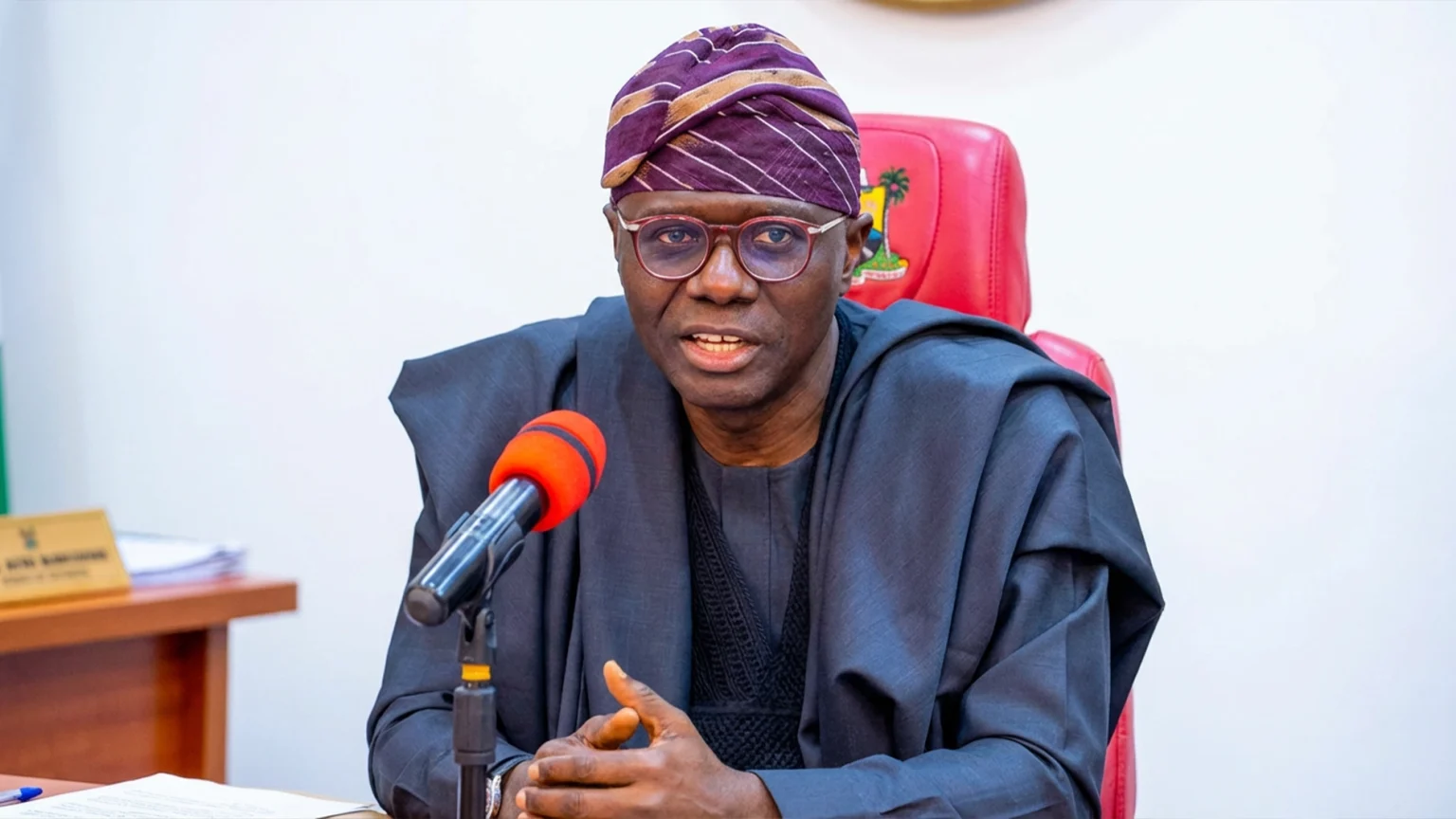
Patients seeking care at some Lagos public hospitals are spending hours in queues before seeing doctors, as medical practitioners warn that resignations, poor remuneration and heavy workloads are placing increasing pressure on the state’s healthcare system.
From obtaining hospital cards and making payments to seeing doctors and collecting prescribed medicines, patients at some facilities face long queues at virtually every stage of accessing care.
While doctors were observed attending to patients during The Guardian’s visits, the number of patients relative to available doctors appeared to be contributing to prolonged waiting times.
The situation comes amid concerns over the state’s shortage of healthcare workers and reports that doctors are leaving government hospitals for better-paying opportunities.
A month ago, Governor Babajide Sanwo-Olu disclosed that Lagos needed about 40,000 doctors and 40,000 nurses to adequately serve its population. He said the state had about 7,000 doctors, with those available effectively doing the work of 10 people.
The governor, who spoke at the opening of the second Eko Health Convention, also said the state’s healthcare system required at least N100 billion above its current budget.

His disclosure came against the backdrop of concerns within the medical community over the ability of public hospitals to retain and replace doctors who leave.
Earlier, a doctor, Ajibade, in a post on X, alleged that many doctors in Lagos State general hospitals had resigned over the previous eight months because of poor pay and what he described as a “crazy workload.”
He claimed that the doctors remaining in the system were exhausted, while doctors were increasingly reluctant to apply for positions in Lagos general hospitals.
The Guardian’s visits to some public hospitals showed that patients were already contending with prolonged waiting periods, although the experience varied across facilities.
At Gbagada General Hospital, long queues were observed, with patients visibly frustrated and tired while waiting for their turn.
One patient said long waiting hours were common in general hospitals, adding that although patients eventually received attention, the process could consume most of the day.
Another patient, whom The Guardian saw leaving the emergency centre on crutches, said patients had to queue to pay, obtain hospital cards, see doctors and complete other processes.
At Ikorodu General Hospital, a patient who visited the facility about two weeks earlier said the crowd could be so large that patients might spend an entire day waiting and still leave without receiving care.
At Mushin General Hospital, The Guardian also observed a long queue of patients waiting to see doctors, with some having waited for more than two hours.
Doctors were attending to patients during the visit, but the large number of patients compared to the doctors available appeared to be contributing to the delays.
A source at the hospital said the facility was understaffed because of inadequate remuneration, leaving available doctors to work long shifts.
The source alleged that a doctor could be on call for as long as 70 hours continuously.
For patients, however, the immediate effect of the staffing challenge is the time spent navigating crowded public hospitals and waiting to see already stretched healthcare workers.
The pressure on doctors was acknowledged by the President of the Association of Resident Doctors, Lagos State University Teaching Hospital chapter (LASUTH-ARD), Dr Alaba Akerele.
Speaking with The Guardian, Akerele confirmed that many doctors were resigning, citing migration and movement from government hospitals to private facilities, where some secure better opportunities.
He said the departure of doctors was increasing the pressure on those remaining, who have to attend to large numbers of patients.
Akerele explained that doctors could not simply rush consultations because patients required adequate attention. With fewer doctors attending to more patients, he said, longer waiting times were inevitable.
He also raised concern over recruitment, saying the number of doctors turning up for recruitment interviews was declining even as more doctors leave the system.
The Immediate Past Chairman of the Nigerian Medical Association, Lagos State, Dr Babajide Saheed, also confirmed that doctors were resigning in significant numbers.
Saheed attributed the development primarily to poor remuneration and unfavourable conditions of service. He also cited workload, inadequate equipment and difficult working environments as factors driving dissatisfaction among doctors.
According to him, the challenges extend beyond salaries, as doctors also contend with high transportation and accommodation costs in Lagos.
He said the combination of poor remuneration, demanding working conditions and inadequate facilities could put considerable pressure on doctors and discourage them from remaining in the public health system.
The concerns over remuneration have also featured prominently in recent demands by resident doctors in Lagos.
Barely a week ago, the LASUTH-ARD issued a seven-day ultimatum to the Lagos State Government over the implementation of the Specialist Allowance for Grade Level 14 resident doctors, also known as Senior Registrar 1. The association also demanded payment of outstanding salary shortfalls and advancement arrears owed to its members.
At a press conference last week, the LASUTH-ARD said the Specialist Allowance, which it said had been captured in the Professional Allowance Table approved by Sanwo-Olu, was not reflected in the August salaries of affected doctors.
Akerele said the development had eroded resident doctors’ confidence in assurances previously given by state government officials.
The association appealed to Sanwo-Olu to personally intervene, saying prompt resolution of the issues would promote fairness and equity while supporting quality healthcare delivery in the state.

