 Follow Us on Google News
 Follow Us on Google Discover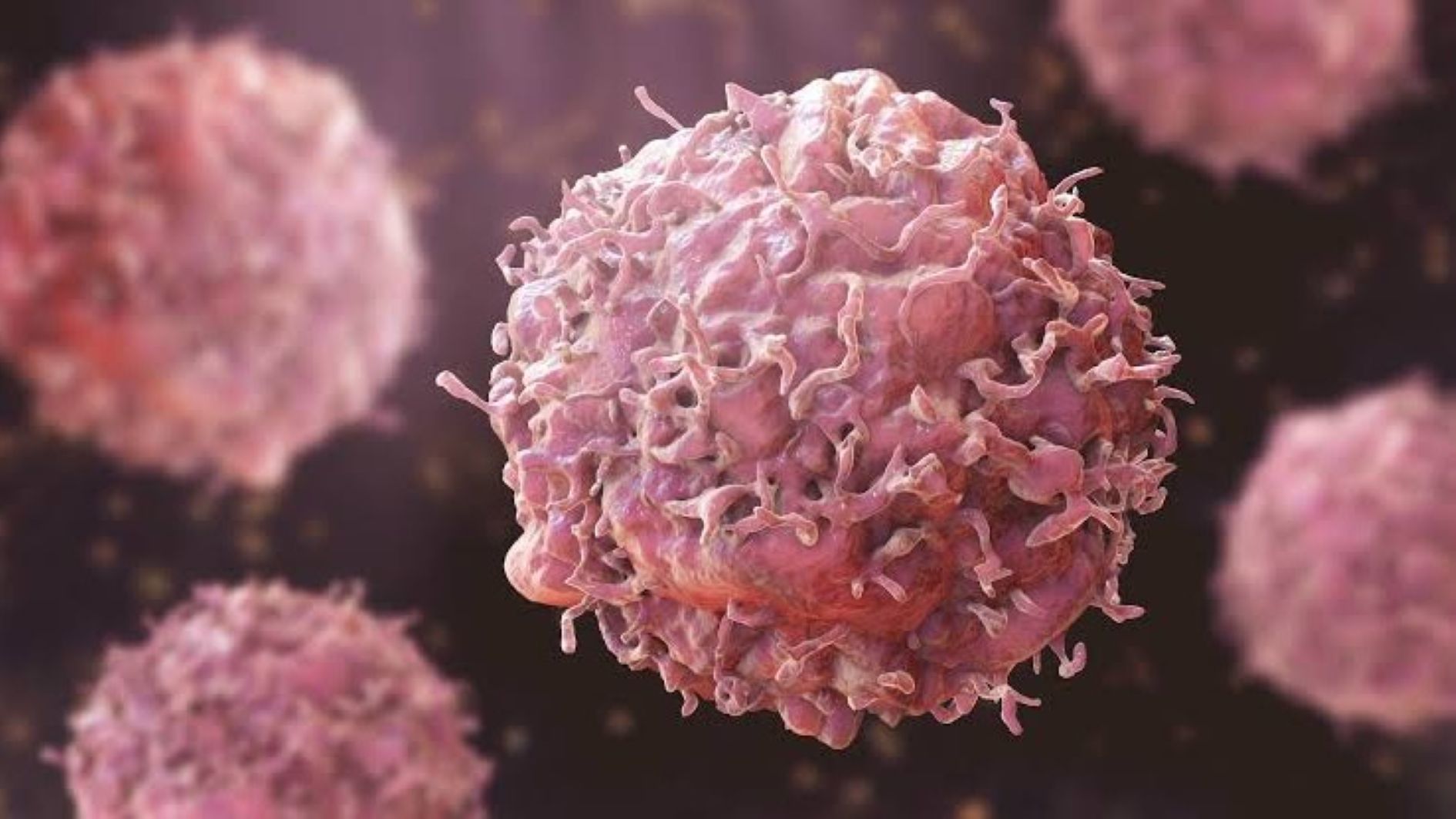
The National Health Insurance Authority (NHIA) has enrolled more than 23 million Nigerians into the national health insurance system while expanding financial protection for cancer patients, people living with HIV, tuberculosis patients, pregnant women and newborns.
The Director-General and Chief Executive Officer of NHIA, Dr Kelechi Ohiri, disclosed this in Abuja during the inaugural Civil Society Organisation (CSO)-Led Mid-Year Review of Nigeria’s National Health Sector Reforms.
Ohiri, who spoke during the Government Technical Briefing Panel, said the Authority was shifting from the establishment of policy and legislative foundations for universal health coverage to implementation, measurable results and stronger protection for enrollees.
He said the success of health insurance should ultimately be measured by whether Nigerians could access appropriate care without being pushed into financial hardship.
“For us, coverage has to mean something when people become ill. Cancer is one of the clearest examples of why health insurance matters. When treatment is expensive and may continue over time, the question is not simply whether the service is covered, but whether the financial burden on the patient and the family is manageable,” he said.
Under its cancer intervention, NHIA has expanded its partnership with Roche through a cost-sharing arrangement for selected oncology medicines, with Roche covering 50 per cent of the cost, NHIA 30 per cent and patients 20 per cent.

The Authority has also introduced support ranging from up to N400,000 to full coverage for eligible radiotherapy patients.
The intervention complements cancer services covered under the NHIA benefit and payment structure, including mammography, CT and MRI scans, bone scans, cancer-related diagnostic tests and radiotherapy.
Ohiri said the partnership demonstrated how collaboration among government, insurers, healthcare providers and pharmaceutical companies could reduce the financial burden associated with cancer treatment.
The Authority is also extending financial protection to people living with HIV and TB patients through the Global Fund Resilient and Sustainable Systems for Health (RSSH) grant.
As of September 3, 2026, more than 51,000 people had been covered across Anambra, Ebonyi, Gombe and Kwara states. The beneficiaries comprise more than 46,000 primary beneficiaries and over 3,700 household members.
More than 38,000 of the primary beneficiaries are people living with HIV, while over 7,400 are drug-sensitive TB patients and 594 are drug-resistant TB patients.
NHIA has commenced accreditation of more than 2,000 healthcare facilities ahead of the implementation of Global Fund GC8 and the planned nationwide expansion of HIV/AIDS and TB coverage in 2027.
Maternal and newborn health interventions have also reached more than 93,000 women and newborns through the Comprehensive Emergency Obstetric and Newborn Care (CEmONC) and Fistula-Free programmes.
The figure comprises 79,221 women, 7,500 newborns and 6,044 women treated for fistula.
The programmes cover the 36 states and the Federal Capital Territory, with 286 CEmONC-empanelled facilities and 22 National Obstetric Fistula Centres and partner facilities.
More than 40,000 women have also been enrolled through the Basic Health Care Provision Fund, while case fatality at participating maternal health facilities declined by 22 per cent, from 1,042 in the 2024 baseline to 810 as of August 2026.
NHIA said more than 2.7 million poor and vulnerable Nigerians had also been supported through the Basic Health Care Provision Fund.
Beyond expanding enrolment, the Authority said it had strengthened its patient protection mechanisms, resolving 3,878 complaints and refunding more than N14.2 million to affected enrollees.
It issued 368 warning letters and suspended nine healthcare facilities, while inspection teams were deployed to monitor compliance with the one-hour treatment authorisation policy and other patient protection and quality-of-care requirements.
Provider payments have also increased, with capitation rising by 93 per cent and fee-for-service reimbursements by 378 per cent.
In addition, more than 7,500 healthcare facilities have undergone digital assessment under the SafeCare quality framework as part of efforts to improve the quality of services available to insured Nigerians.
Ohiri said the reforms were producing progress across enrolment, financial protection, provider payments, quality assurance and patient rights.
“We have moved from policy and legislation to measurable implementation. The next task is to move from coverage to reliable access, from reliable access to better health outcomes, and from insurance membership to genuine financial protection,” he said.
However, he acknowledged that millions of Nigerians remain outside the health insurance system despite the growth in enrolment.
“We have made substantial progress, but we are not where we need to be. Over 23 million Nigerians covered is significant, but it also tells us that there are many more Nigerians who are still outside the system,” he said.

