With millions still unable to access essential health services, the World Health Organisation (WHO) has raised alarm over rising health inequalities and financial barriers across Africa.
A new joint report from WHO and the World Bank Group reveals that while global progress has been made in expanding health service coverage and reducing the financial burden of healthcare since 2000, significant gaps persist, particularly for the poorest and most vulnerable populations.
The Universal Health Coverage (UHC) Global Monitoring Report 2025 highlighted that health service coverage worldwide increased from 54 to 71 points between 2000 and 2023, while the share of people facing severe financial hardship due to out-of-pocket (OOP) expenses declined from 34 per cent to 26 per cent by 2022. Despite these gains, 4.6 billion people globally still lack access to essential health services, and 2.1 billion face financial difficulties, including 1.6 billion pushed further into poverty. Africa remains among the regions most affected, with poorer communities disproportionately burdened.
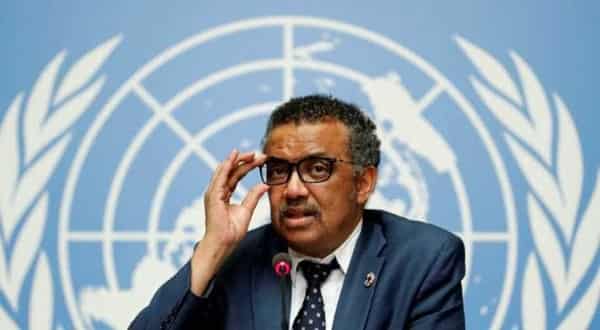
WHO Director-General, Dr Tedros Ghebreyesus, emphasised that universal health coverage remains a distant reality for billions, urging countries to invest in stronger health systems amid declining international aid. Medicines are a major contributor to out-of-pocket expenses, accounting for over half of health-related spending in most countries, and up to 60 per cent among people living in poverty. These costs often divert funds from other essential needs, including food and education.
The report noted that while all WHO regions have improved service coverage, only half, including Africa, have reduced financial hardship. Low-income African countries achieved the fastest gains in coverage and financial protection, but still face the largest gaps. Improvements have been driven largely by infectious disease programmes, with steady progress in noncommunicable diseases and modest gains in reproductive, maternal, newborn, and child health services.
Inclusive economic growth, stronger social protection measures, and improved sanitation have also helped, but out-of-pocket costs remain a significant barrier, particularly for women, rural populations, and people with lower education levels.
WHO warned that without accelerated action, fullservice coverage without financial hardship will remain out of reach, projecting a global SCI of only 74 out of 100 by 2030, leaving nearly one in four people still struggling to afford care.
To achieve UHC by 2030, the report called for free essential health care at the point of service for vulnerable populations, increased public investment, reduced medicine costs.
expanded noncommunicable disease services, strengthened primary healthcare, and multisectoral approaches addressing broader determinants of health. Political commitment, inclusive policies, and urgent implementation are critical to ensuring that Africans can access and afford the care they need.