 Follow Us on Google News



 Follow Us on Google Discover
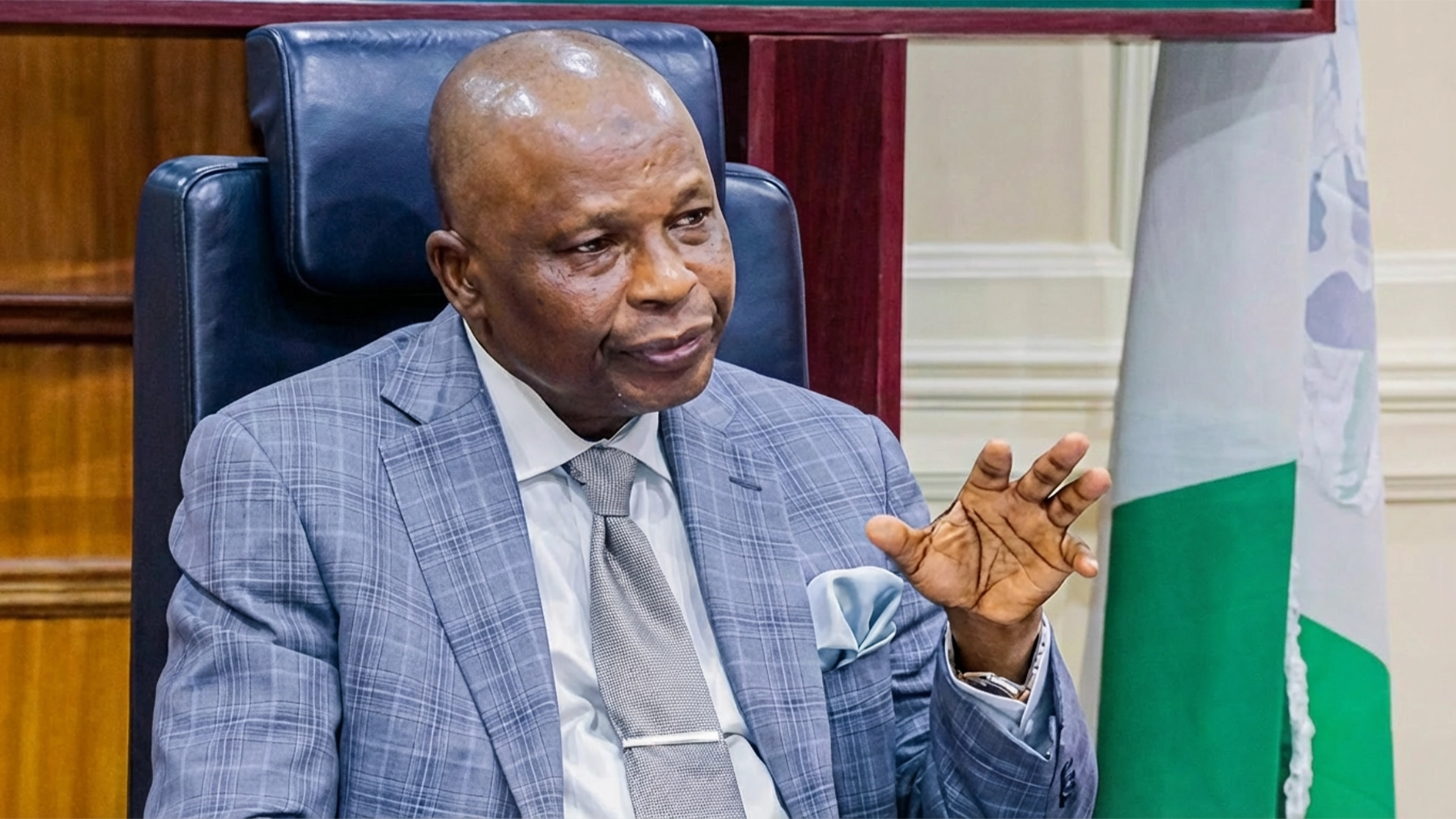
Human rights advocates have warned against selective defence of fundamental rights driven by political loyalties, emotions and personal interests, stressing that it could undermine justice and accountability in Nigeria.
They called for impartial advocacy, stronger institutions and widespread human rights education at a public lecture organised by the Committee for the Defence of Human Rights (CDHR) in Lagos, with the theme, ‘Understanding Human Rights Beyond Emotions and Personal Interests.’
In his presentation titled, ‘Understanding Human Rights Beyond Emotion and Formalism: Towards a Principled, Institutional and Cultural Approach’, University of Lagos Professor Tunde Babawale said activists must defend everyone’s rights irrespective of political, ethnic or religious affiliations.
He said: “We have substituted principles for personality, and we have substituted institutions for the individual. We defend rights, as Professor Chidi Odinkalu puts it, only when our interests are affected.”
Babawale advised that public anger is being used to determine guilt or justify violations of fundamental rights, stressing that accused persons are equally entitled to protection under the law.
He identified corruption as a major obstacle to human rights protection, arguing that diversion of public resources undermines access to justice, education, healthcare and other essential services.

“Corruption is the single greatest violator of human rights in Nigeria”, he said, urging advocates to pay greater attention to economic, social and cultural rights.
Babawale called for human rights education in primary schools and community spaces, including motor parks, while urging activists to prioritise evidence-based campaigns and institutional accountability over publicity.
“Defend the right of the policeman as you would defend the right of the protester. Defend the rights of herdsmen as you would defend the right of the farmer”, he said.
CDHR President, Debo Adeniran, similarly criticised advocates who defended rights according to personal sympathies rather than established principles.
“In many instances, people tend to portray human rights according to what is liked rather than what is right. They vigorously defend what favours them while condemning the same principles when those principles do not serve their interests.”
Adeniran stressed that defending an individual’s fundamental rights does not amount to endorsing all the person’s opinions, decisions or conduct.
He cited the Universal Declaration of Human Rights, international covenants on civil and political rights and economic, social and cultural rights, African Charter on Human and Peoples’ Rights and the Nigerian Constitution as frameworks for protecting fundamental rights.
He urged civil society organisations, educators, community leaders and the media to intensify public enlightenment and promote principled advocacy.
The Chairman, Governing Board of National Universities Commission and former Vice-Chancellor of the University of Lagos, Prof. Oluwatoyin Ogundipe, called for stronger institutional commitment to protecting fundamental rights and promoting equality.
In his keynote address titled, ‘Human Rights Advocacy in Nigeria: Challenges and Imperatives for Justice and Equality’, Ogundipe said fundamental rights belong to everyone irrespective of status or affiliation and urged the judiciary to uphold impartiality and the rule of law.
He also called on government agencies to demonstrate greater transparency and accountability. He also advocated inclusion of human rights education in school curricula and community programmes.
A lawyer and Executive Director, C21st, Lagos, Titilope Akosa, urged activists to adapt their strategies to democratic governance, noting that approaches adopted during military rule needed to evolve.
Akosa encouraged rights advocates to participate in government and policymaking rather than rely solely on confrontation.
“A lot of us never thought that fighting for rights could also mean being part of the government. We lost that ground.”
She also called for community-based human rights education to help citizens understand and protect their rights, while stressing the importance of credible information and evidence-based advocacy.
The speakers called for collaboration among government institutions, judiciary, civil society and the media to strengthen accountability and ensure equal protection of fundamental rights.

