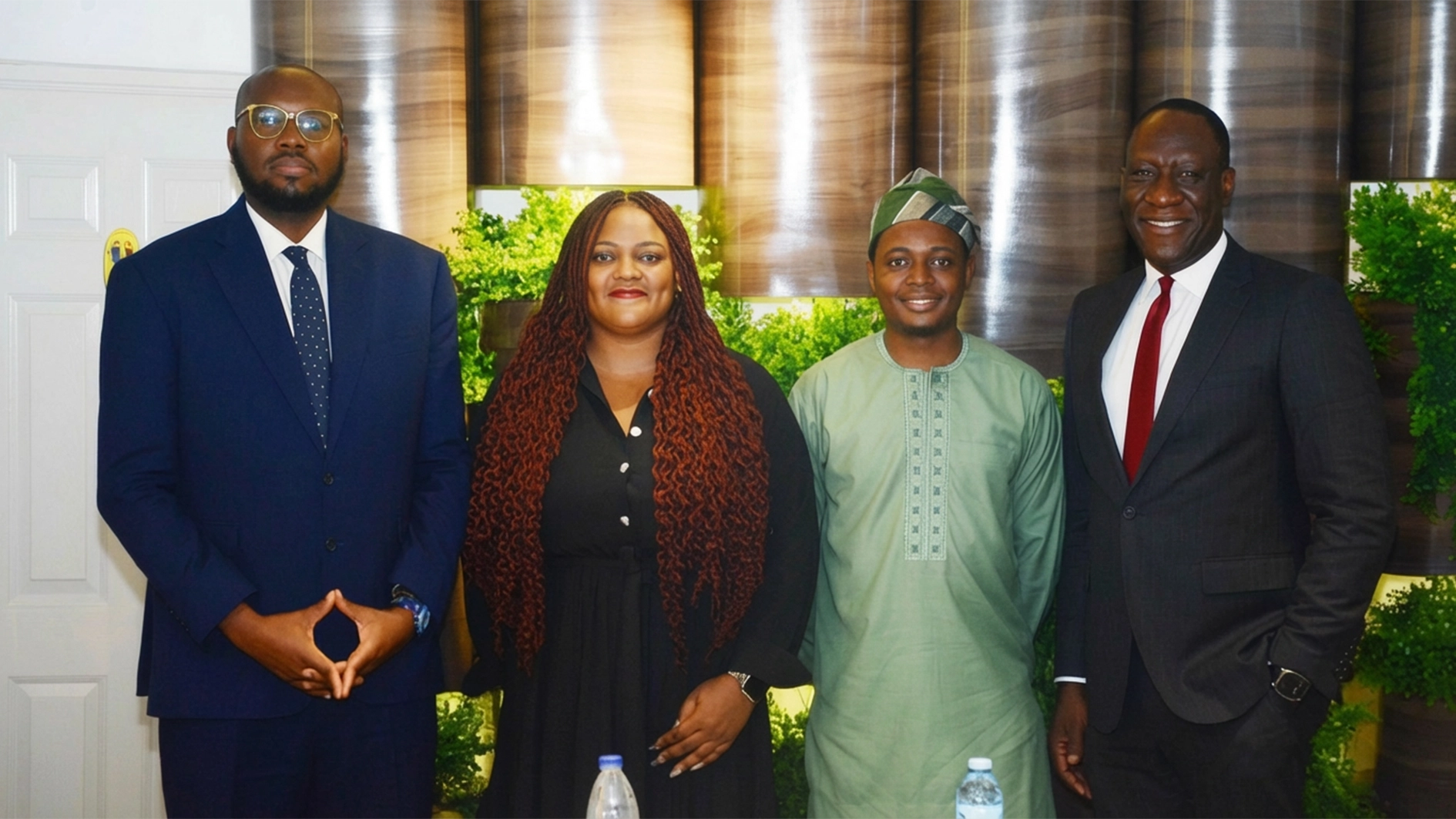
The Nasrul-Lahi-L-Fatih Society (NASFAT) has urged Nigerians to understand the country’s new tax laws better and utilize them as tools for economic growth, fairness, and national development, as debates continue over their impact on businesses and individuals.
This call was made at the NASFAT Business Breakfast Summit 2.0, held on Friday, January 10, 2026, at Four Points by Sheraton, in Victoria Island, Lagos. The event brought together professionals, business leaders, scholars, and policymakers under the theme “The Levies, the Levers and the Believers.”
Speaking as the keynote speaker, Ayo Salami, Partner and Head of Energy and Natural Resources Group at KPMG Nigeria, explained that the new tax framework, passed in June 2025, was designed to simplify Nigeria’s complex tax system and align it with global best practices.
Mr Salami acknowledged that tax laws are often technical and confusing, but said the reforms were necessary to address inefficiencies that had existed for decades.
“The new tax law is really about clarity, fairness and sustainability,” he said. “Before now, companies could be taxed multiple times on the same income. This law eliminates such practices and creates a more transparent system.”
He explained that the reforms are built around four major legislations: the Nigerian Tax Act, the Nigerian Revenue Service Establishment Act, the Nigerian Tax Administration Act and the Joint Revenue Board Establishment Act.
According to him, these laws bring all tax collection and administration under a single coordinated framework, replacing the former Federal Inland Revenue Service with the Nigerian Revenue Service, which now oversees federally collectible revenues.
He added that the law also introduces measures to ensure multinational companies pay fair taxes in Nigeria, while allowing gradual adjustments to value-added tax rather than relying heavily on direct taxation.
While acknowledging that different versions of the law have circulated in recent months, Mr Salami said the differences were minimal and urged Nigerians to engage with the reforms based on facts rather than speculation.
The second keynote speaker, Olawale Azeez, Regional Business Executive at Alternative Bank, spoke on Shariah-compliant investment and wealth creation, highlighting how ethical finance principles can support inclusive economic growth.
In his welcome address, NASFAT President, Alhaji Ayodeji Abdulwahid Abdulrauf, said the summit was designed to bridge faith, policy and economic reality at a critical time for Nigeria.
He explained that the summit’s theme reflects how societies function: levies as resources, levers as skills and leadership, and believers as the people who sustain the system.
“Nigeria is not short of resources,” he said. “The challenge lies in collection, management and applying them for real impact.”
Alhaji Abdulrauf also highlighted several NASFAT-led projects, including Fountain University, a proposed world-class hospital, skills acquisition centres for women and youth, and social welfare initiatives, calling for partnerships and investments to drive development.
He stressed that leadership, accountability and competence must become the “levers” that move Nigeria’s economy forward in 2026.
“If Nigeria must grow, leadership must be transformational, not ceremonial,” he said.