 Follow Us on Google News


 Follow Us on Google Discover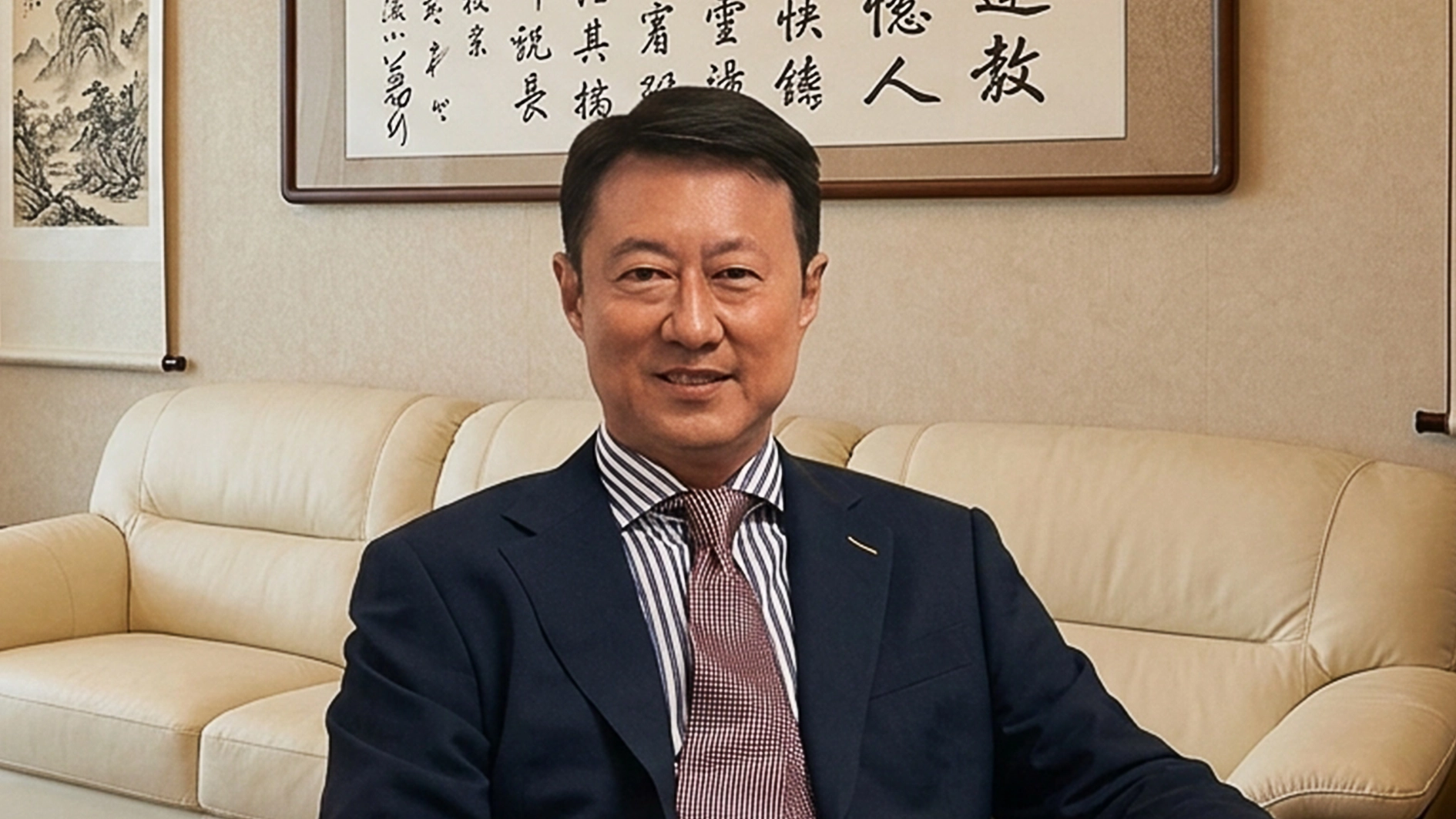
By Yu Dunhai
The world is undergoing accelerated changes unseen in a century, with profound shifts in the international balance of power. Africa’s peace and development face both new opportunities and challenges. On the one hand, African countries’ sense of independence continues to grow, and their desire for unity, self-reliance and improved livelihoods is stronger than ever. On the other hand, hotspot issues on the continent persist and recur, deeply affecting the people of the region. These issues have complex causes. Resolving them and settling disputes requires building consensus and pooling collective strength.
Recently, when meeting with President Faure Gnassingbé of Togo, Chinese President Xi Jinping put forward four principles for constructive participation by all parties in resolving African hotspot issues: upholding African leadership, safeguarding equity and justice, ceasing hostilities and building peace as well as addressing both symptoms and root causes. These principles provide clear guidance for tackling hotspot issues in Africa and exploring a path toward lasting peace and stability. They fully demonstrate China’s understanding of and support for Africa’s efforts to carry forward Pan-Africanism, independently safeguard peace and security, and redress historical injustices. As Chinese Ambassador to Nigeria, I would like to share my understanding of these four important principles.
First, we must uphold African leadership. President Xi Jinping pointed out that the African people are the true masters of the continent and should therefore play a central role in regional affairs. China supports African countries, the African Union and sub-regional organizations in upholding self-confidence and self-reliance, pursuing unity and development, and drawing on African traditions and wisdom to effectively address the various challenges facing the continent.
History has repeatedly shown that externally imposed “prescriptions” often fail to suit local conditions. Only by respecting Africa’s independent choices and listening to African voices can lasting and effective solutions be found. China adheres to the principle of sincerity, real results, amity, and good faith in its relations with Africa. It never interferes in Africa’s internal affairs, never imposes its will on others, and always respects the principal role of African countries and peoples. China firmly practices the approach of “African solutions to African problems.” As Africa’s most populous country and an important member of ECOWAS, Nigeria has long worked to maintain stability in West Africa and has demonstrated the responsibility of a major country in mediating regional disputes, combating extremism, and building regional consensus. China highly appreciates these efforts and will, as always, support ECOWAS and other sub-regional organizations in playing an important role in mediation and good offices.
Second, we must safeguard equity and justice. President Xi Jinping stressed that parties involved should observe the purposes and principles of the UN Charter, respect the sovereignty and territorial integrity of the countries concerned, practice true multilateralism, uphold a vision of common, comprehensive, cooperative and sustainable security, take into account the legitimate concerns of all sides, and seek fair and reasonable solutions.

Equity and justice are basic norms of international relations and a shared aspiration of African countries. Applying double standards in regional affairs, frequently interfering in internal affairs, or imposing external will only create new instability and ultimately undermine lasting peace. Safeguarding territorial integrity and sovereignty and combating terrorism are matters within the sovereign rights of African countries. The international community should respect the independent choices of African nations and provide constructive support and assistance on the premise of respecting the countries concerned. China firmly supports the African people in all their legitimate efforts to safeguard national sovereignty, security, and development interests, and opposes any attempt to interfere in the internal affairs of African countries under the pretext of hotspot issues.
Third, we must cease hostilities and build peace. President Xi Jinping noted that war and unilateral sanctions are never solutions to disputes between countries. Dialogue and consultation are the right way forward. We should leverage platforms and mechanisms led by the Global South, such as the International Organization for Mediation, to engage in mutual respect and extensive consultation, seek common ground while reserving differences, and pursue mutual understanding and accommodation.
At present, the security situation in the Sahel and Lake Chad regions remains complex and severe. Countries in these areas face multiple security challenges, including terrorism, extremism, and cross-border crime, with various risks intertwined and compounding one another. No single country can address these challenges alone; greater cooperation and consensus among all parties are needed. China firmly supports the UN Security Council and the international community in upholding an objective and impartial stance, actively encouraging talks and conducting mediation on African hotspot issues. China supports regional countries in bridging differences and building synergy through dialogue and consultation, jointly strengthening the barriers of regional peace and security, and creating a favorable environment for Africa’s stability and development. China stands ready to provide support within its capacity to African countries in enhancing peacekeeping and counter-terrorism capacity-building through the implementation of the Global Security Initiative.
Fourth, we must address both symptoms and root causes. President Xi Jinping emphasized that addressing immediate security concerns should go hand in hand with long-term development planning. China stands ready to continue sharing the new opportunities of Chinese modernization with African countries, advance cooperation in agriculture, industry, poverty reduction, green development, science and technology, and other fields, support the sustainable development of regional countries, and enhance exchanges and mutual learning among civilizations, so as to lay a solid foundation for lasting peace.
China has always held that development is the master key to solving all problems. Security and development are mutually reinforcing and inseparable. Without a stable security environment, development is impossible. Without sustainable development, the foundations of security will remain fragile. Nigeria is an important African economy with a large population and a wealth of young people. Accelerating industrialization is both an urgent developmental need and a fundamental guarantee of lasting peace and stability. China is ready to help Nigeria and Africa advance industrial transformation and the process of industrialization and modernization through concrete cooperation, achieving security through development and peace through cooperation.
Africa is a continent full of hope. Its future should and will be written by the African people themselves. China and Africa are good partners, good friends, and good brothers who share weal and woe. No matter how the international landscape changes, China will always stand firmly with Africa. Standing at a new starting point in building a China-Africa community with a shared future in the new era, China will continue to work with Nigeria and other African countries to firmly implement the four principles, actively promote the political settlement of hotspot issues in Africa, continuously deepen practical cooperation in various fields, jointly strengthen security barriers and unlock development momentum, and write a new chapter of peace, development and win-win cooperation on the African continent.

