 Follow Us on Google News


 Follow Us on Google Discover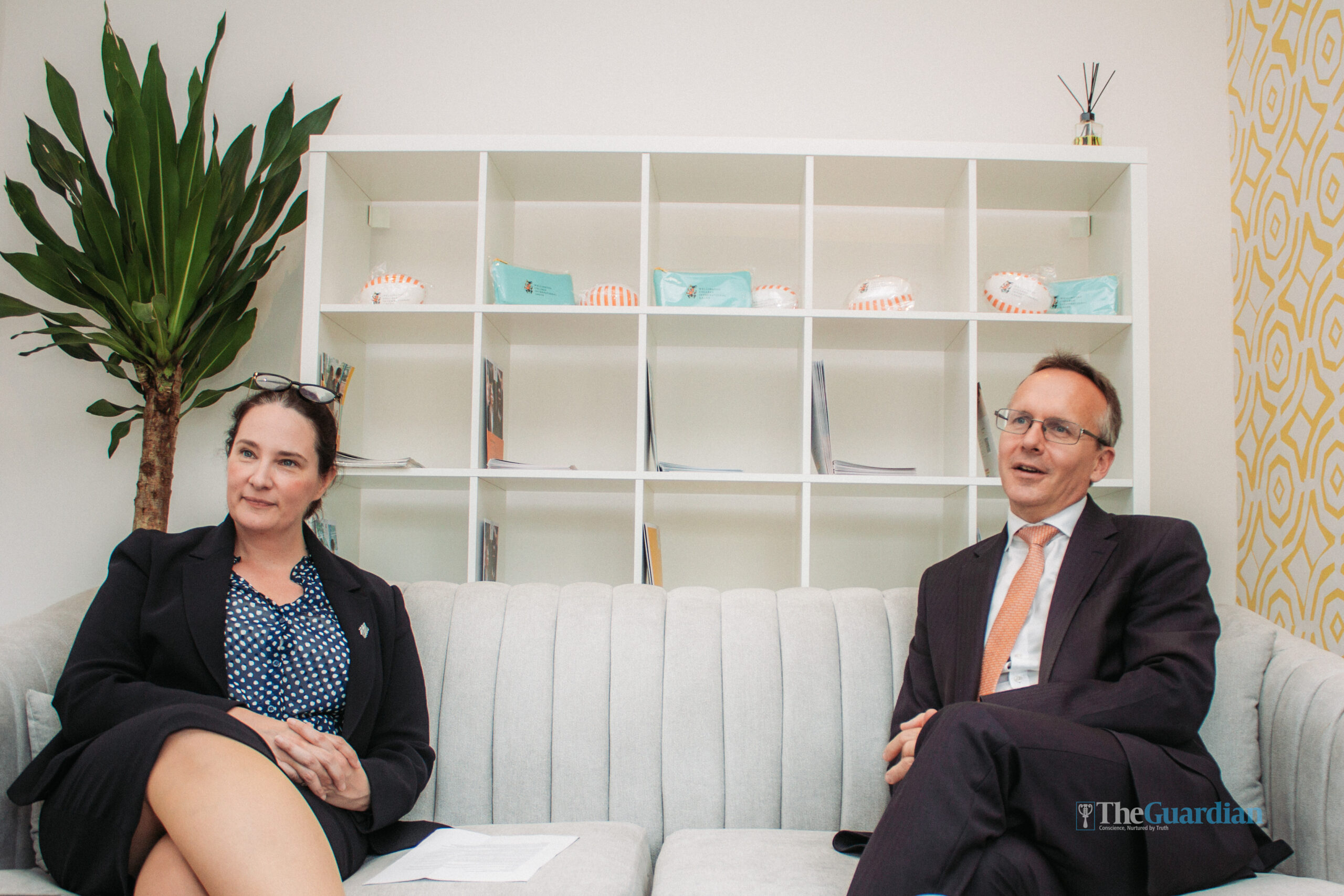
With a 170-year history, Wellington College has expanded its global reach, bringing its tradition of academic excellence, character development and pioneering education to Lagos, Nigeria, as it prepares young people for the demands of an increasingly interconnected, technology-driven world. Ahead of its September 2027 opening in Alaro city in Lagos, Ijeoma Thomas-Odia had an interview with Master of Wellington College, UK, James Dahl, and Headmaster of Wellington College International Lagos, Christine Haslet to discuss the school’s entry into Nigeria, its partnership with Rendeavour, the importance of Nigerian identity in global education, and preparing students for a future shaped by artificial intelligence.
Wellington College has established a global network of schools. Why did you choose Lagos, Nigeria and how will heritage meet local context?
James Dahl: Wellington College has been outward-looking and globally minded since its founding by Queen Victoria and Prince Albert in the 1850s. Our first headmaster was sent around the world to study the best education systems, reflecting the school’s commitment to learning beyond the confines of the United Kingdom. Over the past 20 years, we have built a global family of schools in partnership with outstanding organisations in strategically important cities around the world. Our network spans China, India, Thailand and Indonesia, among others, and a bilingual school opened in San Francisco this year through our Chinese partner.
Nigeria, particularly Lagos, presented an exciting opportunity. The country has an extraordinary youth population, with approximately 63 per cent of its population aged 25 or younger. It also has a rich cultural and educational history. Our partnership with Rendeavour, which is developing Alaro City in the Lekki Free Zone, offered the opportunity to build something new: a state-of-the-art school in a safe environment, with green spaces, sports facilities and the infrastructure needed to support excellent education. The opportunity to work with Rendeavour and become part of Alaro City was simply too compelling to turn down.
Christine, what attracted you professionally to the opportunity to lead Wellington College International Lagos?
Christine Haslet: From a professional perspective, I believe Wellington is an excellent fit for Lagos and Nigeria. The Nigerian families I have met and worked with have demonstrated a strong appreciation for education and a genuine commitment to their children’s development. There is also a remarkable entrepreneurial spirit among Nigerian parents. Many are pioneers in their own right, constantly developing new ideas and looking for ways to achieve more. That aligns closely with Wellington’s philosophy of pioneering education.

The development of Alaro City makes the opportunity even more exciting. It is an ambitious project with the potential to create a distinctive urban environment in Nigeria. When you combine families who value education and share our aspirations with a new city being built around innovation and modern infrastructure, you have the foundations for a successful partnership. I believe Wellington College International Lagos is exceptionally well positioned to succeed because our educational philosophy aligns strongly with what Nigerian parents want for their children.
What does the partnership with Rendeavour make possible for the school?
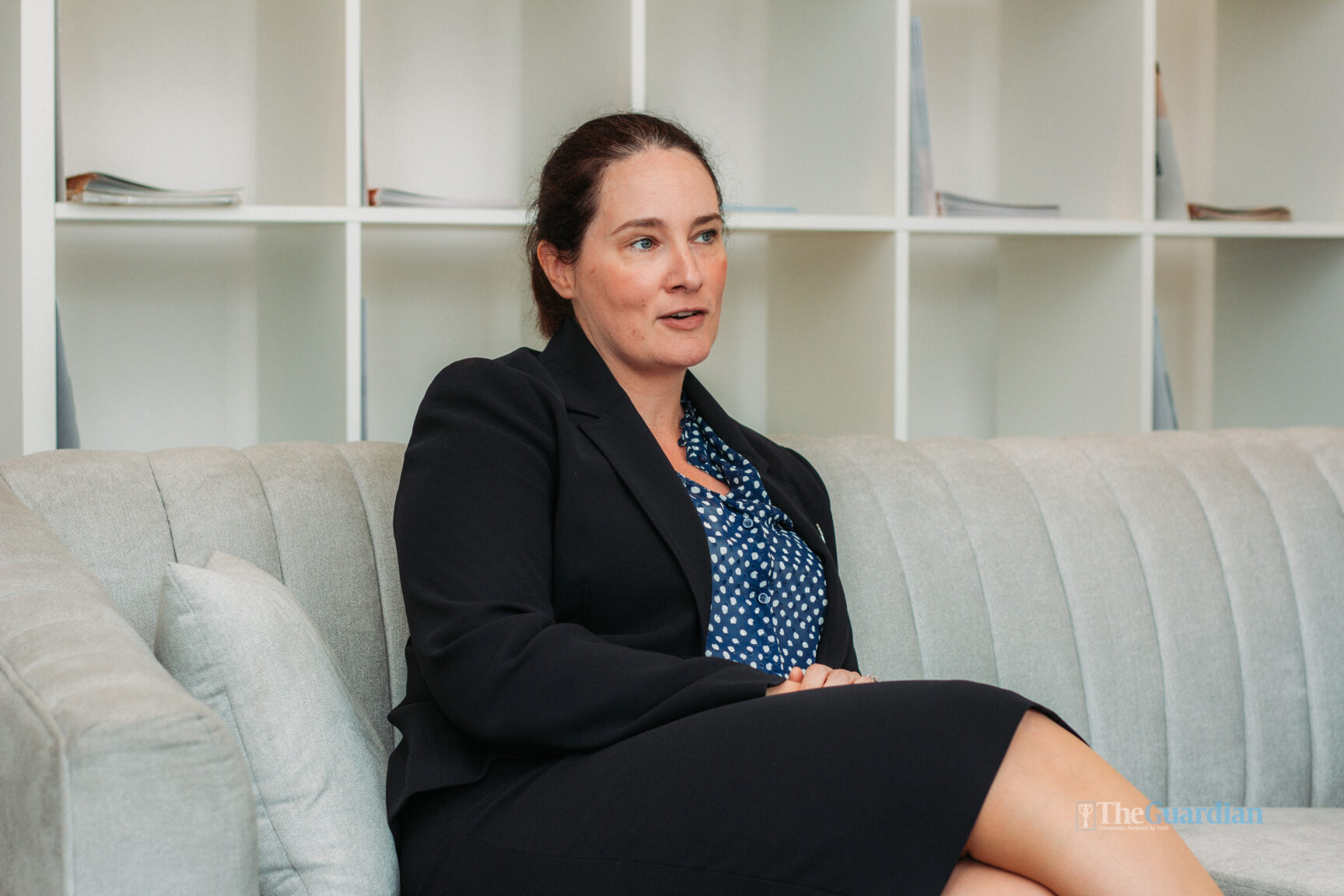
Christine Haslet: Rendeavour’s development of Alaro City provides an environment in which the conditions for an excellent school can be considered from the outset. As a provider of premium education, we must think beyond the school building itself. We must consider what surrounds the school, the learning opportunities available nearby and the wider environment in which our students will grow. Being part of a planned city gives us greater influence over our immediate surroundings. We can consider who our neighbours will be and how the wider development can complement the educational experience.
Safety, reliability and connectivity are also important. During our visit to Alaro City, we saw that it has its own internet system. Reliable connectivity is essential for a 21st-century school, particularly one preparing students to engage confidently with emerging technologies. Rendeavour has also been exceptionally supportive of the school’s vision. Its commitment to the long-term success of the development aligns with our ambition to establish an institution that will make a lasting contribution to education in Nigeria.
James Dahl: When we evaluate potential partners around the world, we consider several factors, including shared values, financial stability, the suitability of the city and, importantly, whether the partner is committed to building something that will leave a remarkable educational legacy. We want partners who are thinking beyond short-term financial returns. When we met Rendeavour, we found an organisation with a long-term outlook. Its ambition extends beyond the next five years; it is thinking about what it can build over 50 or even 100 years and the legacy those developments will leave.
At the heart of Wellington’s purpose is pioneering education to help shape a better world. We recognised a similar ambition in Rendeavour: a desire to make a positive contribution through the cities and schools it develops. Its values, ambition and commitment to legacy made the partnership particularly compelling.
What distinguishes a Wellington College International Lagos graduate?
Christine Haslet: Our vision is to develop young people who are future-focused, globally minded and proudly Nigerian. These qualities are complementary, and we believe all three are essential to preparing students for life beyond school. We are living in an increasingly interconnected world. What happens in Nigeria affects people elsewhere, just as developments in other parts of the world affect us. Our students must understand this interconnectedness and learn to engage confidently with different cultures and perspectives.
However, being globally minded also requires having strong roots. Young people need a clear understanding of who they are, where they come from and the heritage that has shaped them. They cannot confidently navigate the wider world without that foundation. Our students will see Nigerian culture and heritage reflected in the school’s design, fixtures and furnishings. They will also encounter it through the curriculum and service projects that encourage them to give back to their communities and contribute to Nigeria’s development.
Over time, these experiences will help develop well-rounded young adults who possess resilience, curiosity and the confidence to thrive in the world. Our ambition is not simply to produce students who perform well academically, but young people who understand their responsibilities to others and are prepared to make a meaningful contribution to society.
James Dahl: The word education has Latin roots associated with bringing forth or drawing out. In that sense, education is about helping young people discover and develop their potential in every dimension. Across our global network, we want Wellington graduates to leave school at 18 having become the best versions of themselves. Academic achievement is important, but it is only one part of that journey.
Students should also discover interests and passions through extracurricular activities, develop communication and teamwork skills, build resilience and cultivate compassion. These qualities will remain valuable throughout their lives. Ultimately, we want our graduates to look back on their school years and feel that they made the most of the opportunities available to them. They should leave with strong academic foundations, a clearer understanding of themselves and the human skills required to navigate adulthood. For me, that is the essence of a genuine education.
As artificial intelligence transforms the workplace, how can schools deliver future-ready education without compromising essential human qualities?
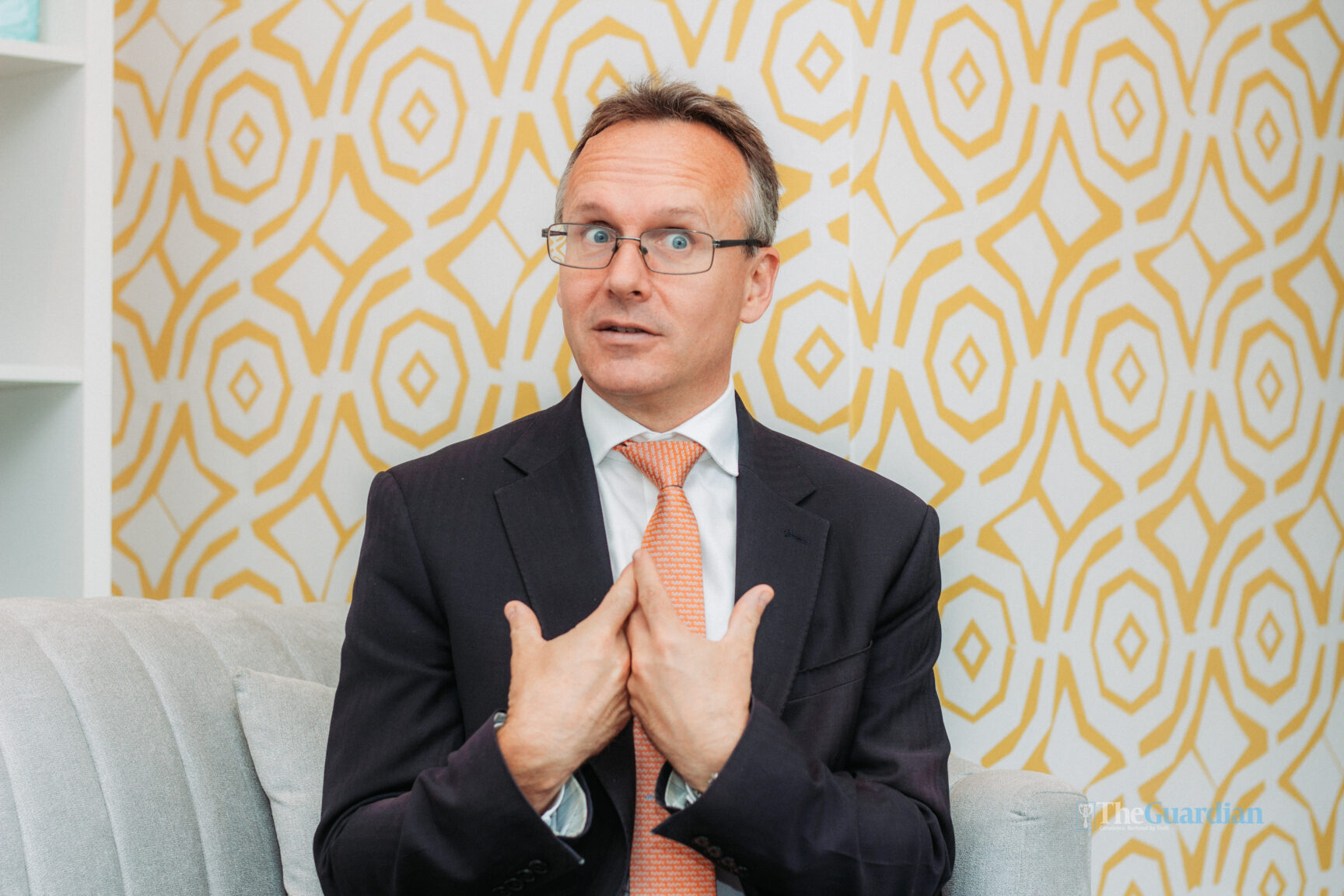
James Dahl: At Wellington, we have spent considerable time examining the world into which we are sending our young people and how our educational provision must evolve to help them flourish as adults. Two years ago, we established the Institute for Human Flourishing in the Age of AI at Wellington College in the UK. We are working collaboratively with our international schools on this important question.
Artificial intelligence is changing almost every aspect of life. We must equip young people with the technical knowledge and ethical understanding required to use these technologies effectively in their personal lives, professional careers and learning. AI can help students optimise their performance and accelerate their development, but it also presents risks. If students outsource their thinking to AI, they may undermine the very learning education is supposed to provide. Our responsibility is to ensure that students leave school more capable and knowledgeable than when they arrived, rather than becoming dependent on technology to do their thinking for them.
Earlier this year, I was in New York speaking with executives at Goldman Sachs. We asked whether they were replacing human beings with AI. Their response was that they were not necessarily replacing people with AI; they were replacing people with other people who were better at deploying AI.
That observation highlights the importance of preparing students to work effectively with technology. We also asked what employers look for when recruiting graduates. Three essential human competencies emerged: communication, resilience and teamwork. AI cannot replace the experience of working collaboratively with other people, learning to communicate effectively or developing the interpersonal skills needed to navigate relationships. These capabilities are nurtured through human interaction, guided by inspirational teachers and role models.
Consequently, as we prepare students for a technology-driven future, we must place even greater emphasis on human qualities and competencies. We want students to develop technical proficiency while also becoming ethical, adaptable and compassionate individuals who can solve problems and live with purpose. We have adopted the OECD’s framework on education for human flourishing, which emphasises qualities such as ethical competence, adaptability, problem-solving and an appreciation of the world around us. Our ambition is to combine excellent academic results, sport, music and community service with the technical and human competencies young people need to flourish as adults.
How will future ready education preserve human qualities?
Christine Haslet: Opening a new school presents a valuable opportunity to be intentional about the learning experiences we design and the qualities we want our students to develop. If we want students to become effective team players, we must provide opportunities for them to work in teams. Sport, music and other collaborative activities help young people learn how to succeed together, handle disappointment, experience failure and recover from setbacks. It is not our responsibility to shield students from every experience of failure. Rather, we must create a safe environment in which they can take risks, learn from mistakes and develop the resilience required to navigate challenges.
The same principle applies to ethical development. If we want students to become ethically minded individuals, we must give them opportunities to reason, think independently and make decisions. Sometimes they will make choices that lead them in the wrong direction. Those moments can become valuable learning opportunities, allowing teachers to guide them through reflection and help them understand the consequences of their actions. Student agency is therefore important. Young people need the freedom to explore, make decisions and learn, while knowing that responsible adults are available to support and mentor them.
Communication is another area that requires deliberate attention. We cannot wait until students are 18 before expecting them to communicate effectively. We must consider what good communication looks like at every stage of development, whether we are working with four-year-olds, 10-year-olds or 16-year-olds. These competencies must be embedded in the curriculum, extracurricular activities and everyday interactions between students, as well as between students and adults. Teachers must model the behaviours they want students to develop.
Preparing young people for the future requires more than telling them which qualities they need. We must deliberately create the experiences through which they can practise, develop and demonstrate those qualities. That is how we will translate our educational vision into meaningful outcomes for our students.

