
- Kennyblaq holds Onikan stadium crowd spellbound at Reckless Musicomedy Festival
- Detty December Fest 2025 ends with star-studded performances in Lagos
- Business leaders gather in Lagos for Q5 Party end-of-year experience
- Motherland Festival repositions December homecoming as cultural, economic reunion
BOBO, a landmark exhibition by British-Nigerian artist Olaolu “Slawn”, opened at Nahous this weekend to an electric response from Lagos’s art and creative community. The exhibition, which marks Slawn’s largest presentation in Nigeria to date, will run through February 1, 2026.
A homecoming in every sense, BOBO—titled after Slawn’s native name, centres the return of an artist who has created, performed, and provoked across continents. Bringing together a selection of new works, this exhibition revisits the soil, rhythm, and irreverent humour that shaped him. It is not a retrospective; it is a reclamation. A gathering of fragments from a life lived publicly, online and off, filtered through global recognition and an ever-expanding creative identity.
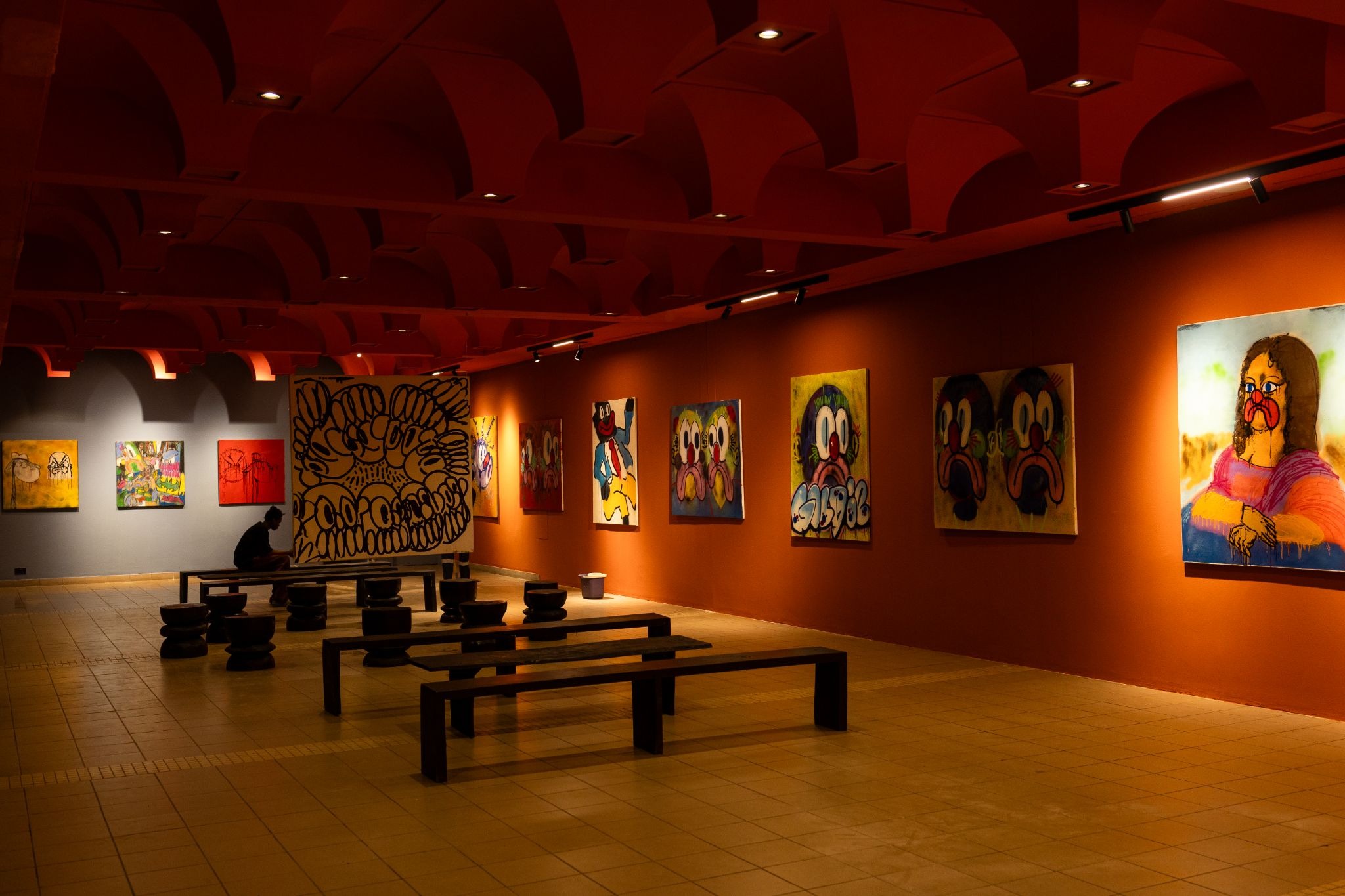
Infused with both wit and an unexpected quietude, the works in BOBO reflect Slawn’s signature playfulness while revealing a deeper internal landscape: themes of memory, distance, belonging, and the boy behind the myth. Here, the tension between performance and sincerity becomes vivid; canvases, gestures, and sculptural forms that feel immediate yet introspective, bold yet disarmingly tender.

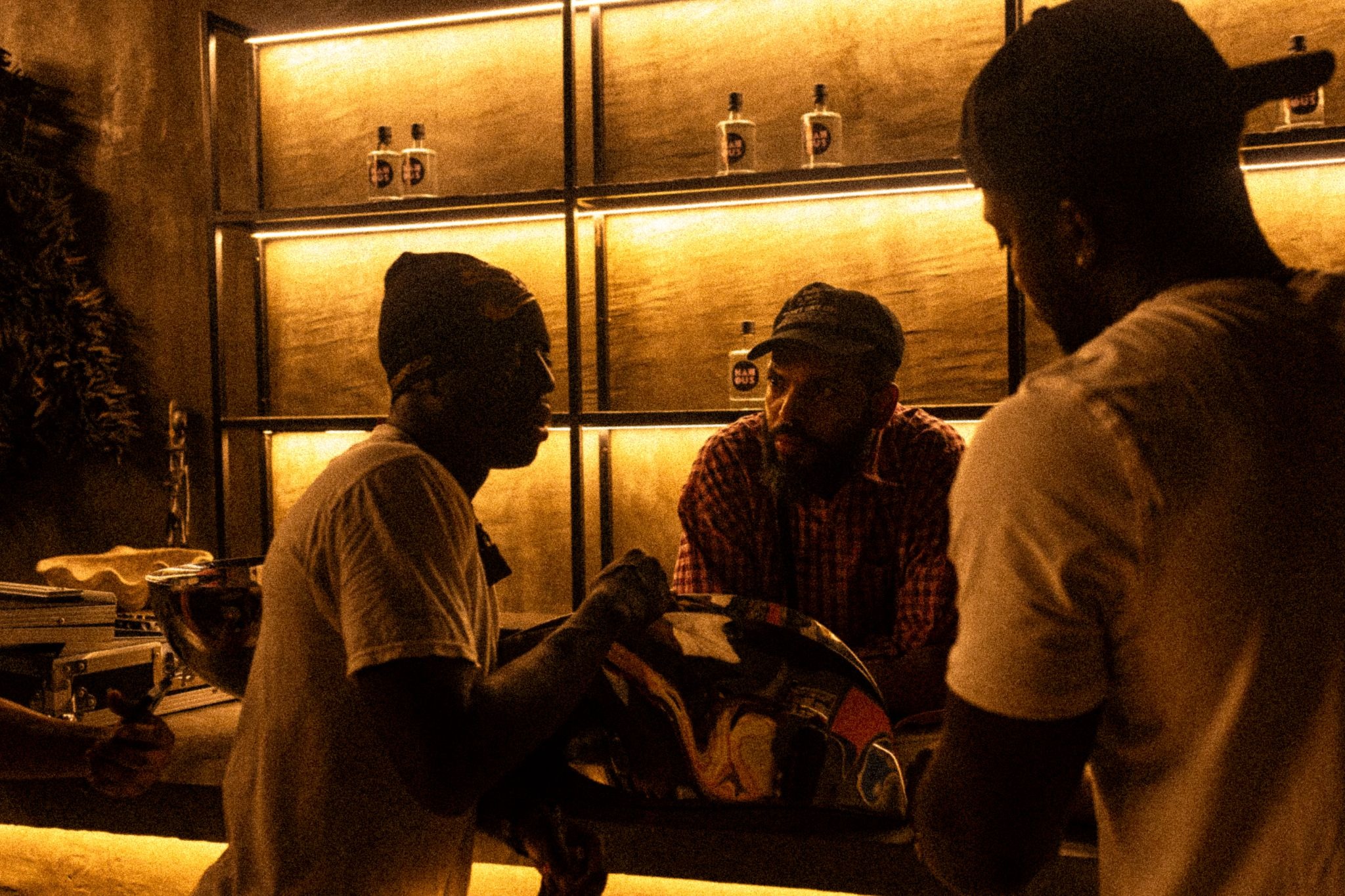
Opening night brought together artists, curators, collectors, musicians, skaters, writers, and long-time admirers of Slawn’s practice. The atmosphere was charged, unfolding as equal parts exhibition, reunion, and cultural moment, a celebration of an artist returning not for nostalgia, but for clarity, context, and confrontation.
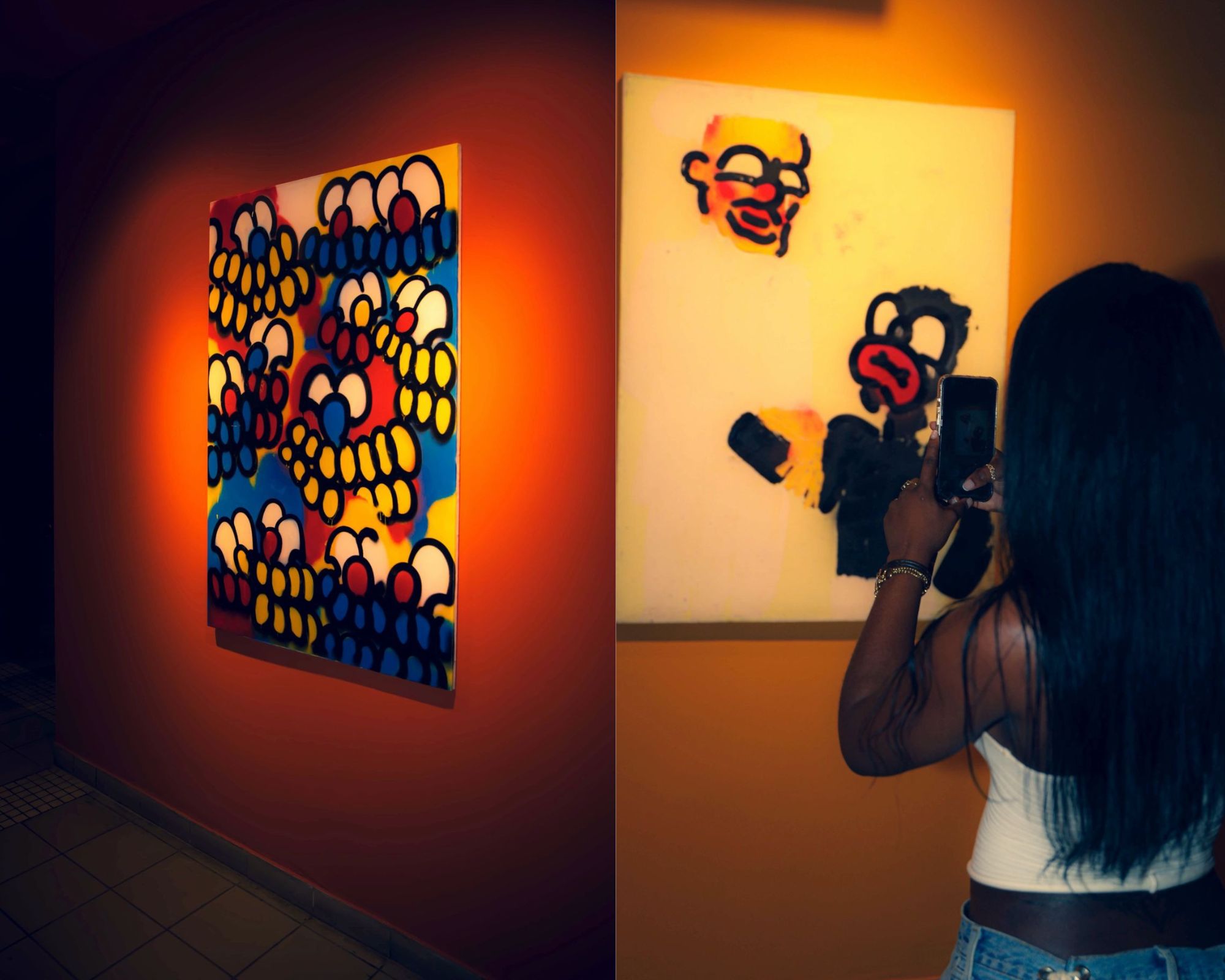
“Nahous is a space built for contemporary Nigerian creativity in its fullest expression; layered, bold, and unafraid,” said Richard Vedelago, founder of Nahous. “BOBO embodies that spirit. It’s raw, reflective, and deeply rooted in the place that shaped Slawn long before the global spotlight.”
By situating BOBO within the historically resonant halls of Nahous, the exhibition reinforces the institution’s mission to host artistic voices that challenge and expand the cultural landscape. For Slawn, it marks a pivotal moment; a return, a grounding, and a reclaiming of the name and place where the story began.