GDN SIDEBAR
In this edition of Growing Minds, maternal nutrition consultant Glory Uzoigwe explains how food supports a baby’s brain development before birth and shares five practical habits for eating well during pregnancy.
A few months ago, a client sat across from me, hand resting on her belly, and asked the question I hear more than any other. “Glory, is it too late? I’m already five months in, and I feel like I haven’t done enough.” I remember smiling at her, because I have learned that worry is just love that has nowhere to go yet. So we talked, slowly, the way I want to talk to you now.
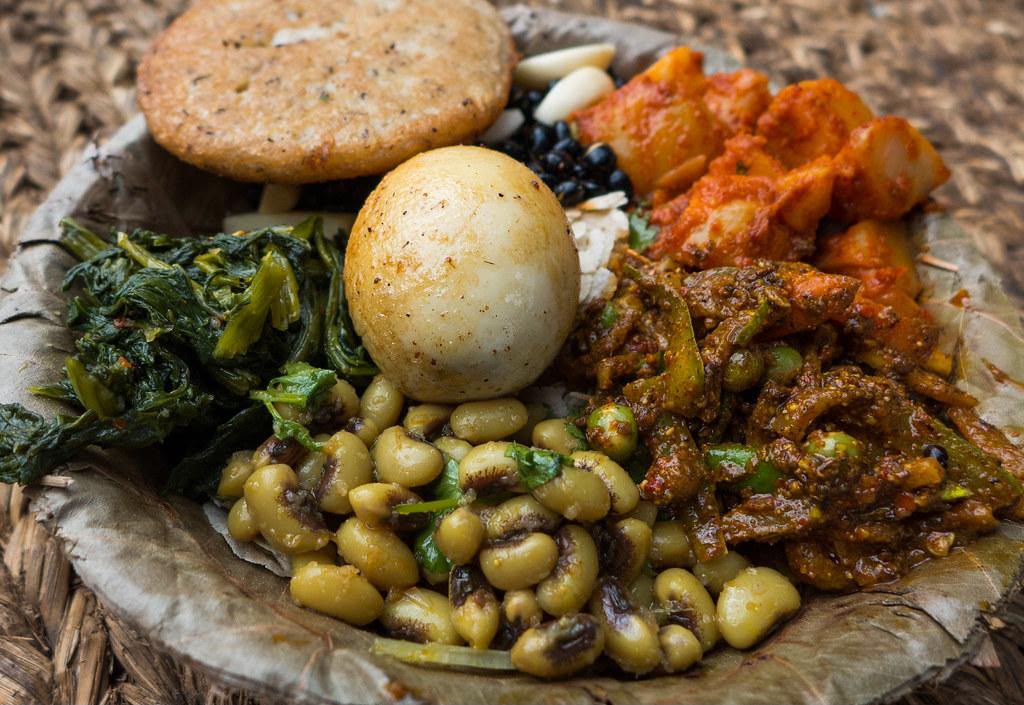
Here is the truth I told her. Long before anyone picks a nursery colour or debates names at the family table, the real building work has already begun, quietly, inside every pregnant mother . And the materials for that build are not paint or fabric. They are nutrients such as folate, rest, calm, and yes, love, all arriving through something as ordinary as a plate of food.
This is where a beautiful bit of science called epigenetics comes in, and I promise it is gentler than it sounds. It does not mean changing a baby’s DNA. Think of it more like a set of light switches sitting on top of the genes a baby already has. What a mother eats, how well she sleeps, how safe and calm she feels, all of this quietly reaches in and decides which switches get flipped on, and which stay off. Some of those switches shape metabolism. Some shape immunity. And a good number of them shape the brain itself, laying down the early wiring for attention, mood and focus that a child will carry for life.
I watched something soften in my client’s shoulders when I told her this next part, and I want it to soften in yours too. One skipped meal will not undo your baby’s future. Please put that fear down gently and let it go. What matters is the quiet, steady rhythm of small choices, repeated with love over these nine months. So here is where we begin, together.

Practical steps to support your baby’s brain during pregnancy
1. Prioritise folate and choline from real food
These two nutrients are directly involved in building the neural tube and wiring early brain cells. Eggs, leafy greens, beans and a little liver go a long way.
2. Bring omega-3 into your weekly meals
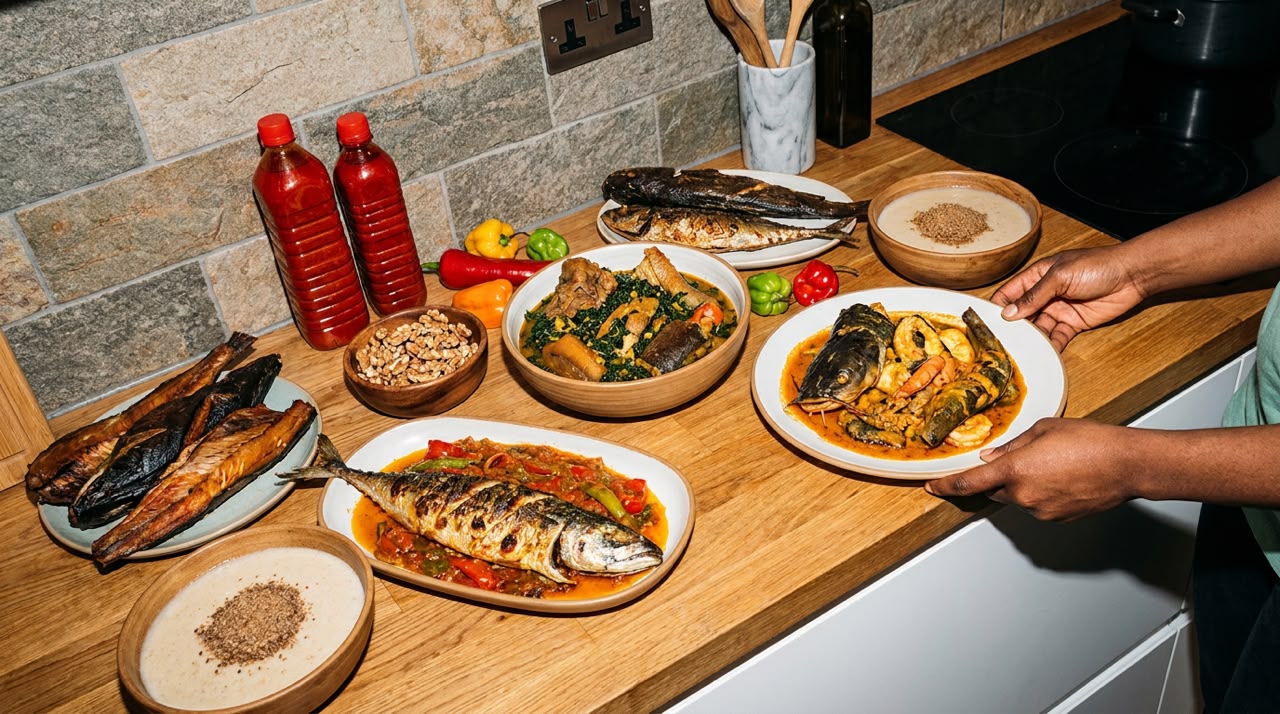
DHA (Docosahexaenoic Acid) found in fatty fish like salmon and mackerel, along with walnuts and flaxseed, supports the physical structure of the baby’s developing brain.
3. Get your iron and vitamin D levels checked, not guessed
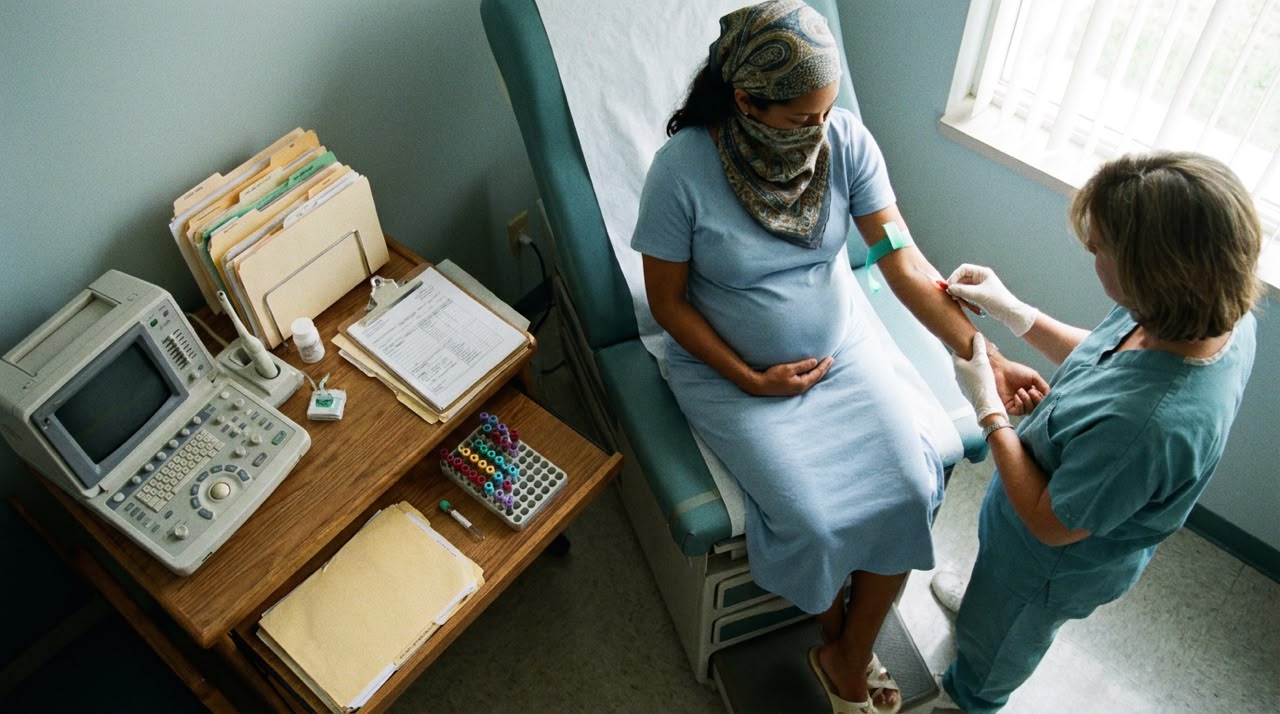
Both nutrients influence how oxygen and signals move through the developing brain. A simple blood test shows what your body needs, rather than leaving it to chance. Iron deficiency during pregnancy can also affect maternal and fetal health.
4. Protect your peace as seriously as your plate
Chronic stress raises cortisol, which crosses the placenta and can influence the very gene switches we are talking about. A short walk, quiet prayer time, or simply saying no to what drains you all count as nutrition for your baby too.
5. Cut back on ultra-processed food and hidden sugar
Diets heavy in refined sugar during pregnancy have been linked to gene expression changes tied to mood and attention later in childhood. You don’t need to eliminate every treat; just notice when processed snacks become the default and avoid them.
If you are planning a pregnancy, start these habits three months before conception if you can. Epigenetic programming begins earlier than most people realise, sometimes before the pregnancy test even turns positive.
Before my client left that day, she asked one more question. “So it’s not about being perfect?” No, I told her, and that’s one mistake most mothers make too. Maternal Nutrition is never about being perfect. It is about showing up, one plate at a time, with whatever you have. Some weeks that will look like soups, mackerel and Ugu. Other weeks it will look like eggs on toast eaten standing at the counter, and that is still enough.
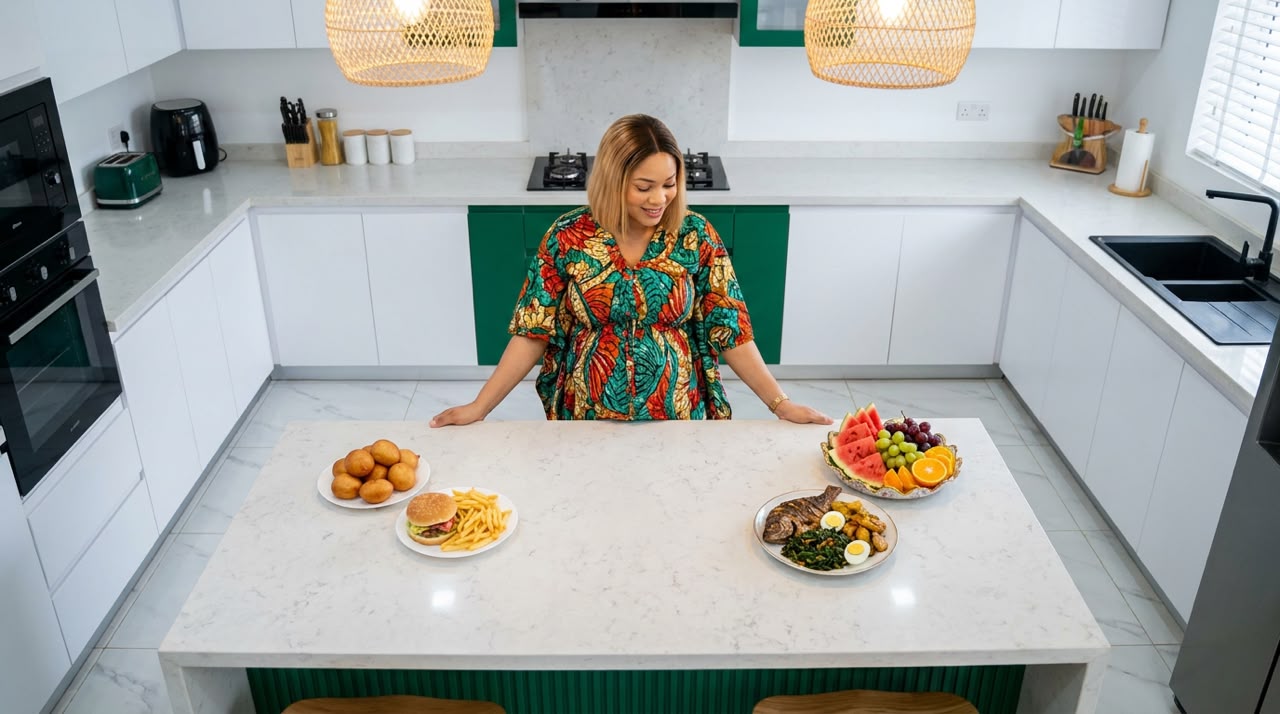
Every meal you eat while carrying your child is a small, quiet letter to their brain. You will never see it being written, and your baby will never remember receiving it. But somewhere in the years ahead, in the way they focus on a story, or calm themselves after a hard day, that letter will still be there, folded into who they are.
Next time in Growing Minds, we are going to sit with another quiet question many mothers carry: why one child reacts to certain foods while a sibling never does, and what that tells us about catching allergies early.
Glory Uzoigwe is a globally certified maternal and pediatric nutrition consultant and Autism Specialist. She holds a Master’s in Nutrition Sciences and leads Wholesome Maternal Nutrition, helping families navigate feeding, allergies, autism and ADHD support.