GDN SIDEBAR
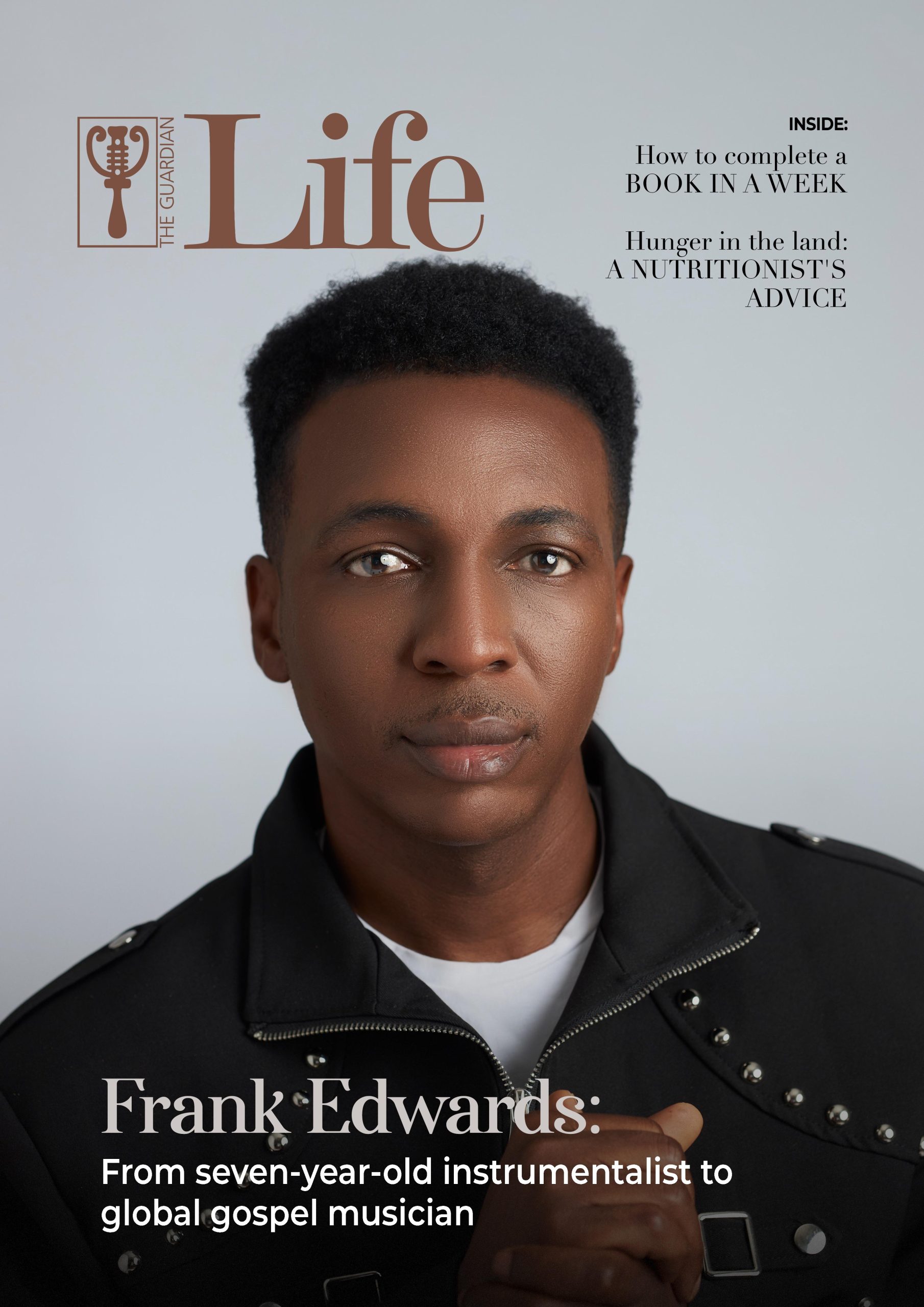
Popular Nigerian singer, Frank Edwards, has spent close to two decades becoming one of the most powerful voices in the Nigerian gospel music sector.
Since emerging in the late 2000s, the Enugu-born artiste, producer and sound engineer has grown from a church instrumentalist into a trailblazing recording and performing gospel musician.
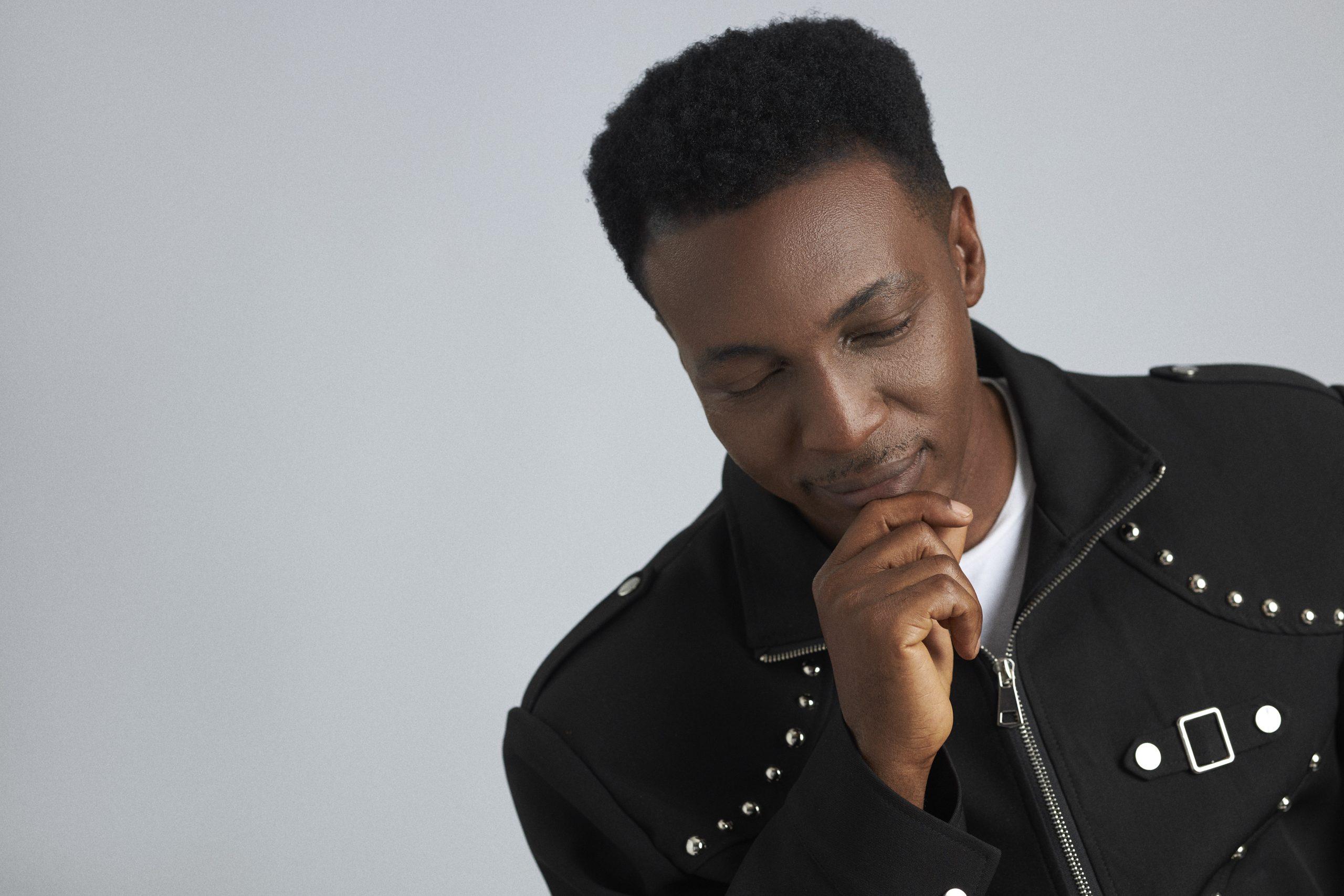
Earning multiple awards, his several feats include Best Male Vocalist/ Best Hit Single at the LoveWorld Awards and Song of the Year at the Nigerian Gospel Music Awards. He has worked with global heavyweights, including Don Moen, Micah Stampley, Nathaniel Bassey and Sinach.
After years of shaping gospel music through production, performance and ministry, Frank Edwards returns with his 12th studio project dubbed Heart of Worship. The seven-track EP unfurls as an intimate, chord-driven and deeply resonant soundscape, a significant sonic drift from his previous projects.
Catching up with Guardian Music, the 36-year-old musician peels back layers on his evolution, as well as detailing the lore behind making Heart of Worship and his creative process.

Tell us about your new project, Heart of Worship?
I have come to a place in ministry where you have done a lot of projects. You have made a lot of progress in different areas, and you have been on the biggest platforms. Then you realise that this thing is all about God. Sometimes we care so much about the crowd, the streams, the fancy sounds and the fancy lights, but the most important thing that matters is the heart of worship.

The Heart of Worship is a lifestyle. Worship is beyond singing. It is the lifestyle of a believer. When you listen to all of the tracks, it is talking about the heart of worship in such a way that everybody cannot sing, but everybody can worship God.
Did you have other titles before you settled for this?
No, I didn’t struggle with the title because it was the title itself that inspired the songs on the album. I didn’t finish the album and then try to give it a title.
It was a dream that I had, where I went to a concert, and I was getting ready to minister. When I got there, the hall was empty. There was nobody. As I was about to quarrel with my team and say, “Why didn’t you guys do amazing publicity? This is the reason for this little turnout,” I noticed that a chair in the auditorium was glowing with light.
In that dream, it made sense to me that God Himself came to hear me. It was really not about the crowd. It was not about the fancy light or sound. He just came to listen to my heart of worship. That was what inspired the entire album. So, I got the title of the album even before making the music.
What initially drew you to start making music?
I started playing the piano at the age of seven. I first joined the Anglican Youth Fellowship band in Enugu. I was born Anglican, so as a young boy, I joined the band, but they wouldn’t let me play because I was too young.
When they set the keyboard on the stand, the keyboard was taller than me. They would have to stack chairs for me to stand on before I could play, and that became a challenge. So, they said, “No, just wait until you grow more.”
One day, they had an event, and their keyboardist did not come. They were playing the music without the keyboard, so I stacked the chairs for myself, climbed up and started playing. They didn’t realise I was playing with them until after a while. Then they turned and saw that I had been playing, and whatever I was playing did not spoil the music. That meant I could play.
That was when they allowed me to join the band. I played with the band when I was 11 or 12 years old until I moved to Lagos and joined my uncle’s church. There, I was helping them with their music. From there, I joined Christ Embassy and started working with Sinach. I was following her everywhere she went to make music, from one studio to another. From following her to different studios, I started learning how to produce music. That was how my production and music-making journey started.
How did you become a multi-instrumentalist?
I was self-taught. Of course, I later had to go and study sound engineering when I realised that music was it for me. But from the beginning, yes, I was self-taught.
While moving to Lagos and trying to build a career, did you have any parallel ambitions? And what was your family’s response to you choosing music?
Bro, it was war, to be honest. I wanted to be a pilot. Moving to Lagos, I didn’t move to Lagos to come and do music. That was not the plan.
Yes, I could do music, but my dad just wanted it to be a hobby for me. He didn’t want it to be a career. My mum didn’t mind. She was like, “If this is a talent for you, if this is what God wants you to do, why not?” But my dad didn’t see it that way. He wanted it to be a hobby, just like it is for him. He is an electrical engineer, but he does music. He doesn’t call himself a musician, but he knows music.
How did you discover your style of gospel music?
I discovered that there was a sound young people liked, and if you didn’t give them an alternative to that, they would continue to play the other music they were playing. So, I tweaked the sound a little bit. It was still gospel, but it had a today sound.
Of course, people attacked me for it. When I released songs like You Too Dey Bless Me and Oghene Doh and Me, some people said, “Why are you modifying gospel music? Why are you making it sound groovy?” They were saying that because people were playing it everywhere, even in clubs.
I was attacked for it, but it became my style, bringing some modern sound into gospel music. Then I did more rock-type music, contemporary rock. Sometimes, I fused rock and pop together and still made really nice Christian music. That was how I made the niche for myself.
How would you describe your typical creative process?
The truth is that I don’t write. I have never written one song in my life. I have said this countless times in several interviews. I do not write.
What happens is that God gives me the song. For example, during my quiet time, as I’m worshipping God, I might just hear a chorus. When I hear that chorus, I don’t leave the quiet time and try to add a verse to it by myself.
What I do is that in the next quiet time, I start to worship God with that chorus that I heard. As I go on, the verse will come. Then in another quiet time, I might think, “Maybe if I worship God today, the third verse will come.”
Sometimes, it will not come for one or two months, and I will wait because I know that I’m going through the process of a spiritual download.
You worked with M.I Abaga on Chairman. Are you still open to working with secular artistes?
To be honest, initially, when I started, I didn’t think anything was wrong with it. I still don’t think anything is wrong with it. It is just that after I did that one, God just didn’t want me to do things like that anymore.
Not because they are bad, but that is how life works. It is not everything that is good that is good for you to do. There are some things you shouldn’t do, not because they are bad, but because God just doesn’t want you to do them, and you can’t question Him.
What are your thoughts about its current structure?
In the gospel sector of the music industry, I feel like one thing we need to improve on is the technical part of it.
We have the spiritual part of it locked down. We know God. We speak in tongues. We know the Holy Spirit. We have received the Holy Spirit. But one of the things the Holy Spirit does for you when He comes is that He makes you super intelligent, so that whatever your hand finds to do, you are able to do it excellently well. You will not do it like a mediocre.
You are not going to make your sound like a joke and think that once you put the name of Jesus behind it, it should fly. When we listen to the sound, and it does not meet up to standard, that is a problem.
Who is Frank Edwards behind closed doors?
Behind closed doors, I am very prayerful, thanks to my mum. I am also a workaholic. I’m always doing this and doing that. I’m a perfectionist too. I think that is basically me.
Do you have any hobbies?
I play table tennis, snooker, PS4 FIFA and chess well.