GDN SIDEBAR
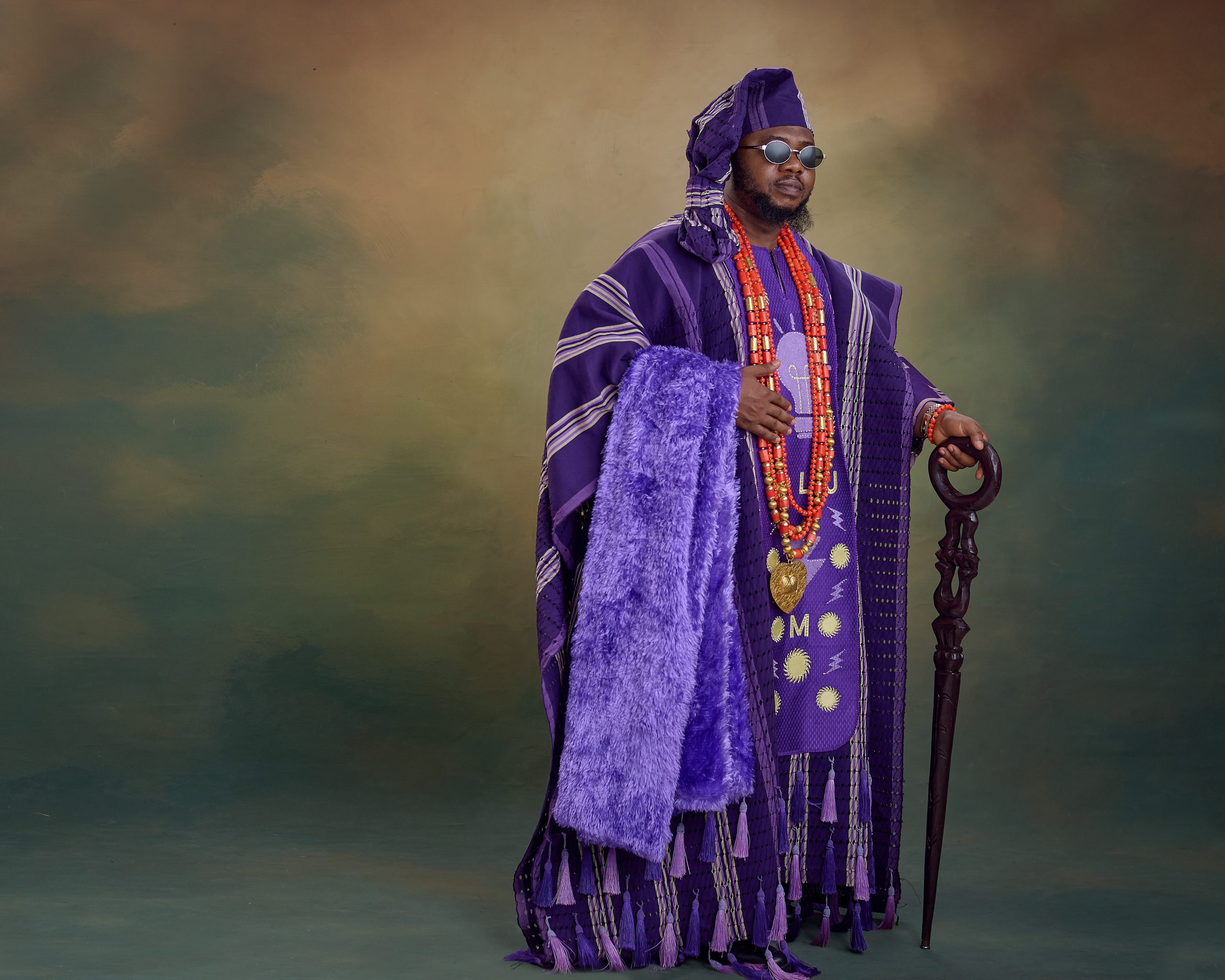
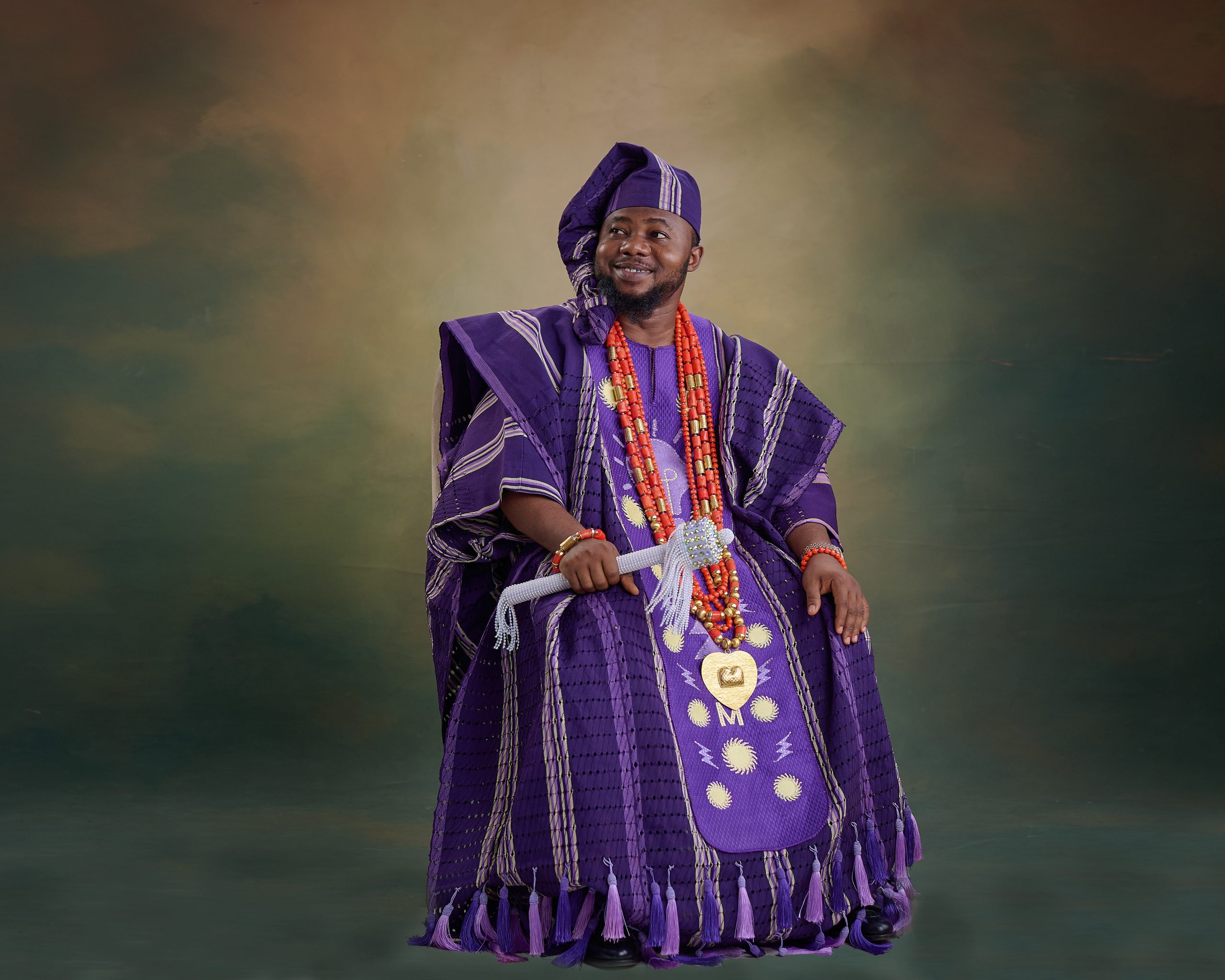
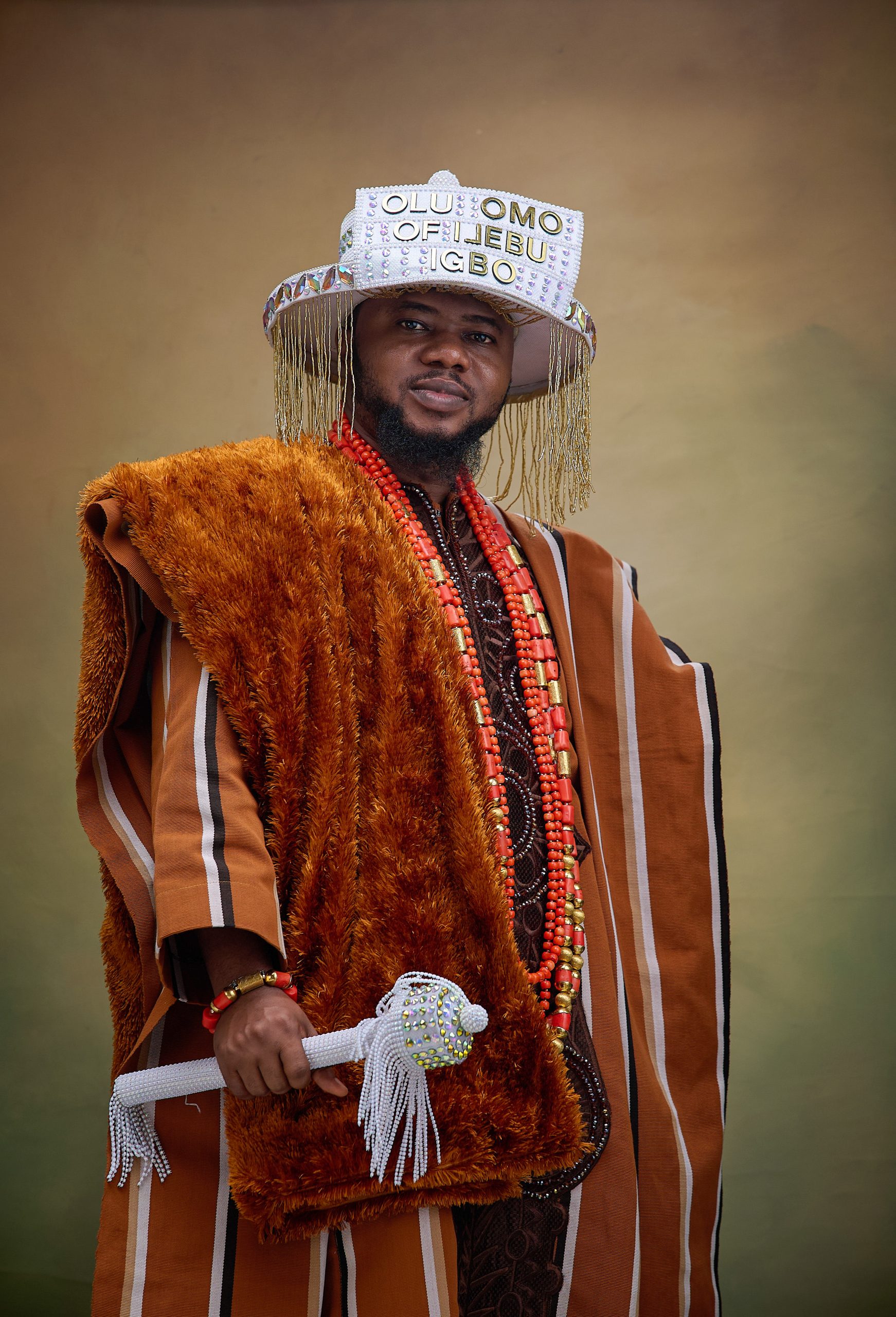
On February 5, 2026, High Chief Olawale Abiodun Lawal Abinugbola was honoured with the title of Olu Omo of Ijebu Igbo, an affirmation of years spent turning an overlooked trade into a structured, modern industry, building a reputation for scale, quality, and honesty, and using wealth as a tool for community growth and opportunity.
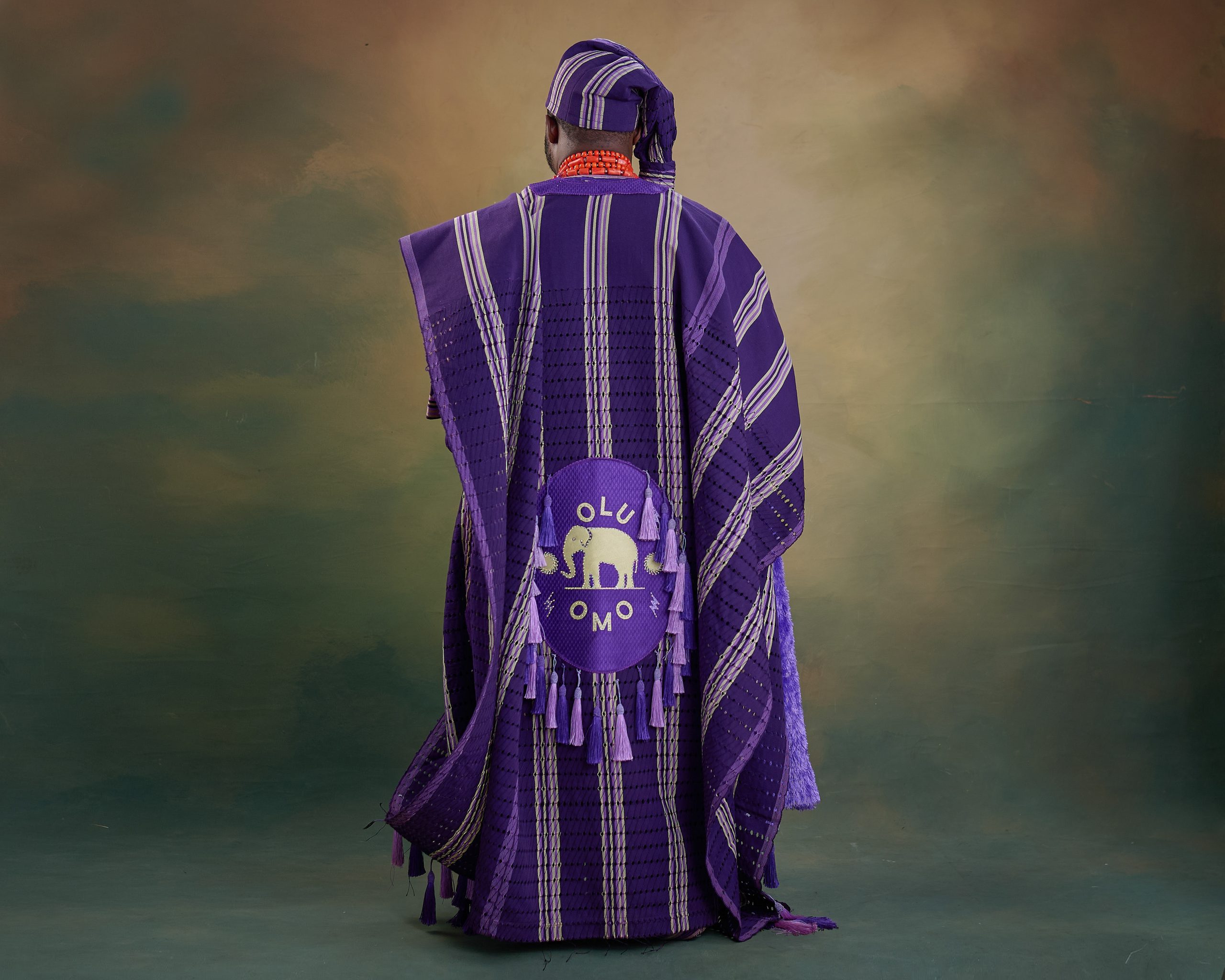
The moment was regal. On February 5, 2026, in Ijebu Igbo, High Chief Olawale Abiodun Lawal Abinugbola was conferred with the Olu Omo chieftaincy title, an honour that signalled recognition of service and standing. Beyond being a celebration of status, the moment offered a clear stamp of approval on a story the community had been watching for years: a young man who took a family trade many people once dismissed as “dirty” and built it into a structured, scalable, nationally influential enterprise, and then returned with the profits to feed, fund, and reform the same community that raised him.
To onlookers, the title confirmed what the warehouses, offices, and shipments had already been saying: Abinugbola was no longer just participating in an industry. He was shaping it.
The hides-and-skins business — quiet, gritty, and essential — rarely makes the kind of headlines that bring photographers and ceremonial drumming. But on that February day, the cameras pointed where they normally would not: to the supply chain, to the kind of commerce that runs beneath the glamour of finished goods. The title of Olu Omo framed his story, placing his rise within a larger idea that modern leadership can be measured in the industries you strengthen and the people you carry with you.
A BOY RAISED IN THE BUSINESS
To understand Abinugbola’s success, you have to begin with his mother. Long before he had formal titles, he had tutelage: hands-on, daily exposure to buying, selling, bargaining, and the discipline of showing up. He grew up watching his mother, Alhaja Bello Olorunbunmi Rasheedat, operate in the hides-and-skins line, learning the rules of the market by living inside it. “I was under tutelage with my mum since I was born,” he says.
That early immersion planted two things in him: a comfort with commerce and a refusal to imagine himself as a salaried employee. “I never for once wanted paid employment,” High Chief Abinugbola admits. His conviction was not a romantic anti-corporate stance. He had seen what business could do for a household. He also saw where the limitations were.

His mother’s business, like many other traders of ilk, had a simple structure, little formal organisation, and limited room for scale. Abinugbola’s ambition was not just to continue but to stretch the ceiling. He wanted to take what he inherited and rebuild it with systems, global access, and credibility.
2015: THE YEAR HE DECIDED TO SCALE

It is one thing to inherit a trade. It is another thing to professionalise it, especially in a sector many educated young people avoid. In Ijebu Igbo, his choice came with shock. People knew his academic background; they expected him to pursue a “cleaner” path. Instead, he returned to a business many had underestimated, and he made it impossible to ignore.
In 2015, Abinugbola made what he describes as an intentional move to run the business “fully on my own” as a deliberate, educated pivot into scale. Equipped with formal schooling, after studying Business Administration at Babcock University, he began to look at the hides-and-skins trade through a different lens: cost structures, sourcing, margins, and how markets behave when you expand your reach beyond the familiar.
He started doing what many traditional businesses do not prioritise early enough: research. He went online, studied sourcing channels, explored importation logistics, and mapped where quality could be found. That curiosity soon turned into a practical decision that would alter both his trajectory and the community’s approach to the trade: he obtained his first international passport and travelled for the sole purpose of scaling the business.
FROM LOCAL TRADE TO NATIONAL DOMINANCE
Today, Abinugbola’s impact is described in numbers that still surprise even veterans in the trade. He is credited as the first person in Ijebu Igbo to capture about 60% of the hides and skins market in Nigeria, an astonishing share for a trade that once had little public storytelling around it. His name is also tied to a pioneering shift: being the first to import containers directly, a move that opened a channel others would later follow.
That single bold step, through direct container importation, became a blueprint and inspired more entrepreneurs in Ijebu Igbo to move at a larger scale. “Till date, by virtue of his bold step, over 100 people now import at larger scale,” says a profile note about his influence.
This is the kind of ripple effect communities remember. Not because one man became wealthy, but because one man made a system more accessible for others who were willing to learn and invest. Although the sector was previously dominated by informal processes, Abinugbola’s approach introduced structure, with offices, warehouses, and proper staffing, so the business could look like what it actually is: a serious industry.
The markets most critical to his growth reflect his insistence on quality. Kenya and Tanzania became key sourcing regions, largely because of product standards and customer feedback. “They have better quality products,” he explains, emphasising that scale without quality is just noise.
THE PROBLEMS HE SOLVES: FRAUD, DISPUTES, AND TRUST

In commodity trade, the real battle is not always logistics. It is trust.
Ask what people come to him for, and the Olu Omo doesn’t dress it up. “Supplier disputes and fraud,” he says. It is also where his idea of accountability becomes practical: when deals go wrong, someone must verify facts, apportion responsibility, and protect reputation. In this industry, as in many others, deals can be undermined by dishonesty and informal agreements, making the person who can resolve disputes a stabiliser and not just a businessman.
That stabilising role is linked to his decision-making principles: “Fairness, transparency and honesty… to ensure no party is cheated,” he says. He speaks about it as a business necessity, not a moral performance.
Then he draws a hard line. “Dishonesty, I totally abhor dishonesty.”
That clarity, about what he will not tolerate, is part of why people trust him with disputes, and why his influence extends beyond his own company.
LEADERSHIP: DECISIVE, LISTENING, ACCOUNTABLE
There is a common misunderstanding about leadership styles: that being decisive means you don’t listen. Abinugbola insists on both.
His teams, he admits, may call him autocratic. But he adds the nuance himself: he listens more than he talks, weighs opinions, and then makes the final decision without letting the noise become the steering wheel. He leaves room to monitor outcomes closely, whether decisions are right or adjustments are needed, without outsourcing authority.
It is a practical style for a high-stakes business where delays can cost money and indecision can destroy deals. Yet he pairs it with a clear expectation from senior colleagues: honesty, accountability, and professionalism. “Business is business—do the work and get paid for the work,” he says.
Accountability, in his world, is not an abstract word. It is whether people can be trusted with money, stock, timelines, and reputation, and whether they can own outcomes when things go wrong.
PHILANTHROPY AS A RESPONSIBILITY, NOT AN ACCESSORY

If Abinugbola’s business story explains his wealth, his philanthropic story explains his relationship with that wealth.
“I believe you cannot die with your wealth,” he says, as if stating a fact of nature. “If you have so much money and you cannot spend it for good, there is no point in owning it.”
His mother’s influence appears again here. He describes emulating her philanthropic nature, then building it into a formal vehicle: the Abinugbola Foundation, financed solely by him, focused on growth, advancement, and poverty alleviation in Ijebu Igbo and Ijebu Ode.
The scale is not symbolic. During Ramadan, the foundation feeds 1,500 people daily. Beyond food relief, it invests in livelihood: ₦150,000,000 is given yearly to SMEs to scale, alongside empowerment for petty traders. He speaks about these numbers plainly, almost as if he expects them, because in his philosophy, this is what wealth is for.
But his biggest philanthropic ambition is future-facing: an active vocational centre where people will be enrolled for free to learn various vocations, graduate, and receive the equipment needed to work. He imagines faculty drawn “from all over the globe” as a statement: Ijebu Igbo should be positioned as a community keen on industrialisation.
Then he ties it to the deepest part of his origin story. “Being born underprivileged should not determine the future of the children,” he says. It is both personal and aspirational, a critique of how poverty becomes inheritance, and a promise to interrupt that cycle.
WHAT HE WANTS NEXT: INDUSTRY, HISTORY, AND A LARGER COMMUNITY IDENTITY

Abinugbola’s vision for the hides-and-skins industry is expansive. Over the next decade, he predicts that the Nigerian market could reach a ₦1 trillion annual market cap, alongside a growing return of educated people and diaspora Nigerians coming home to establish themselves in the trade and related investments.
He also wants something more permanent than profit: a historical footprint. He says he would like his name etched in the industry’s history for “advancement, growth, and structuring”.
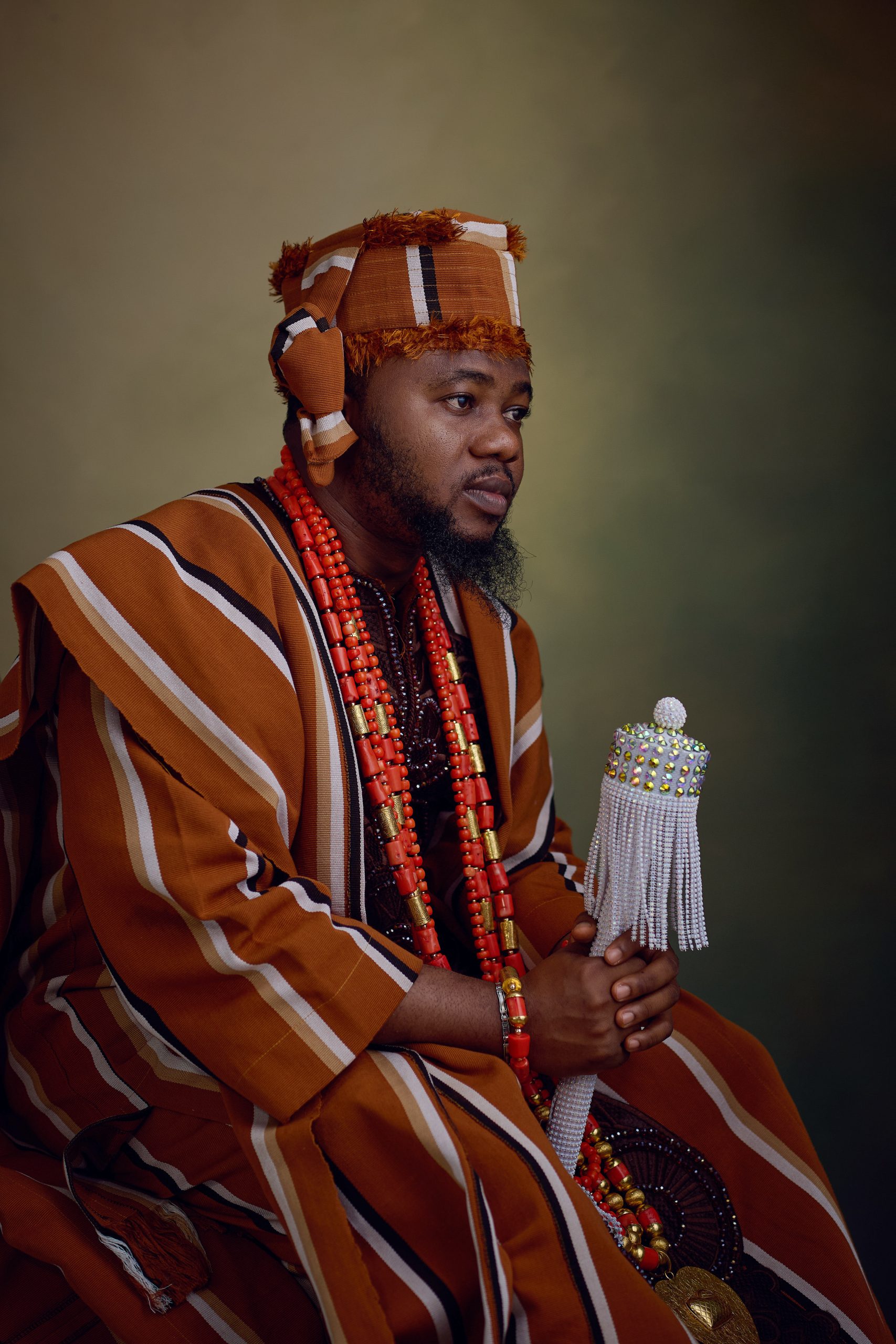
This is where the February 5, 2026, title matters. The Olu Omo honour does not replace his business identity; it validates it in cultural terms. It signals that the community recognises what he has done: building a viable business, creating opportunities for others, and carrying the town’s name into a national conversation about commerce and modern leadership.
In that sense, the title becomes a regal affirmation of the road behind him and a mandate for what comes next.
LESSONS FROM A MODERN TRADITIONAL LEADER
If Abinugbola’s journey offers lessons, they are not motivational slogans. They are operational.
First: treat informal industries with seriousness. What people call “dirty” may be the very thing that can sustain generations, if you modernise it. Second: research turns tradition into scale. His travels and sourcing journeys were strategic moves, not luxury travels. Third: structure is credibility. Offices, warehouses, staffing: these are the scaffolding of trust.
And finally: wealth that does not touch other lives is unfinished work.
In the end, the most compelling part of High Chief Olawale Abiodun Lawal Abinugbola’s story is not that he rose; it is that he rose with a clear sense of responsibility to the community that raised him. The Olu Omo title is the public proof of a private philosophy: leadership is service, whether you practise it in a palace or a warehouse.